

























FAQ
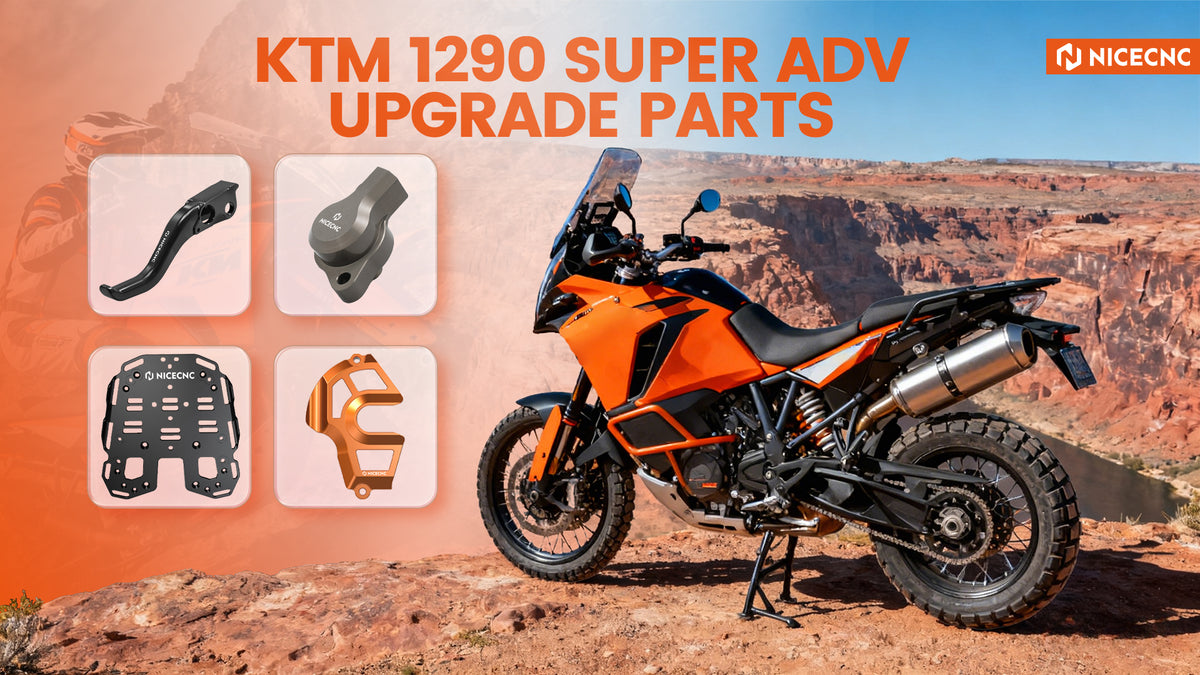
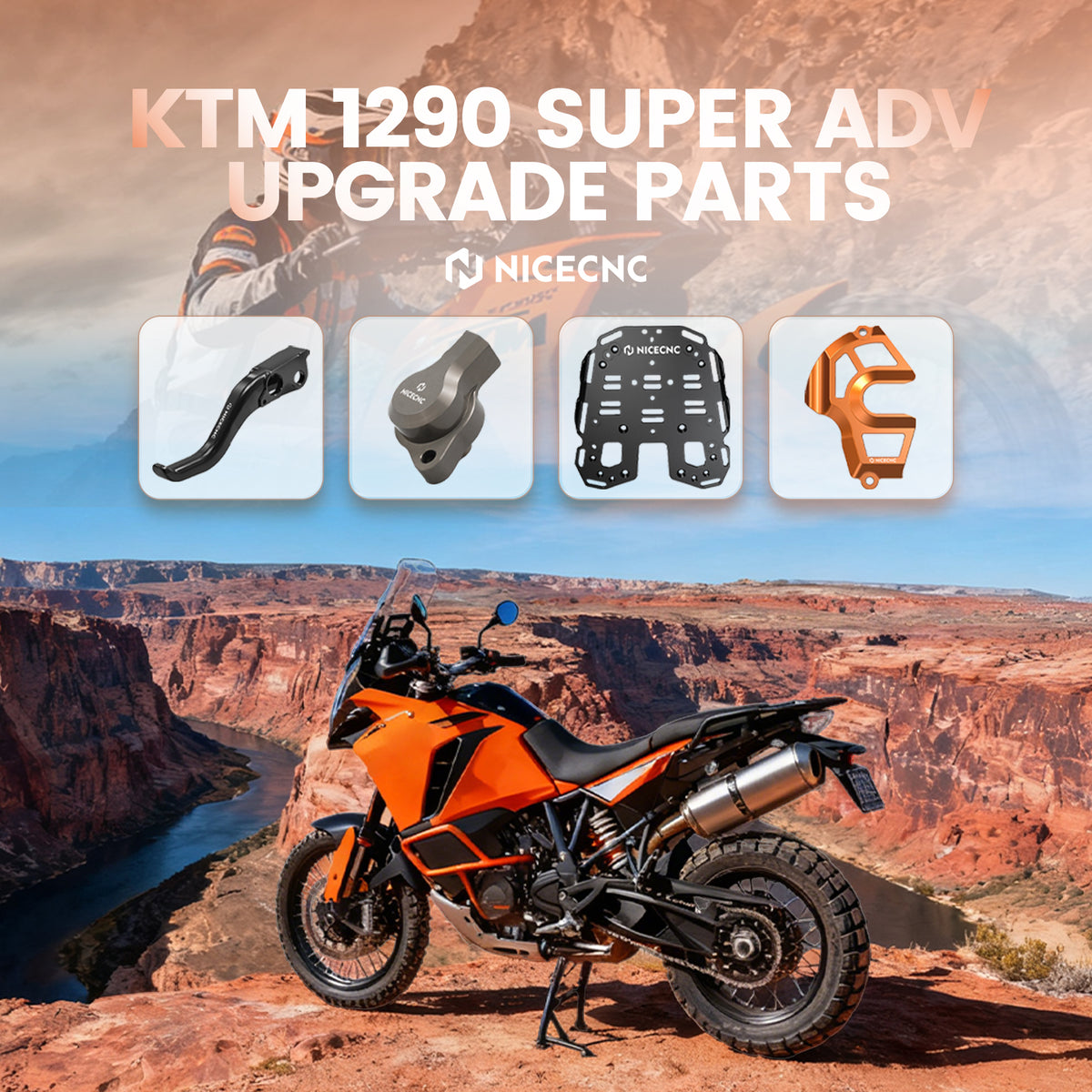
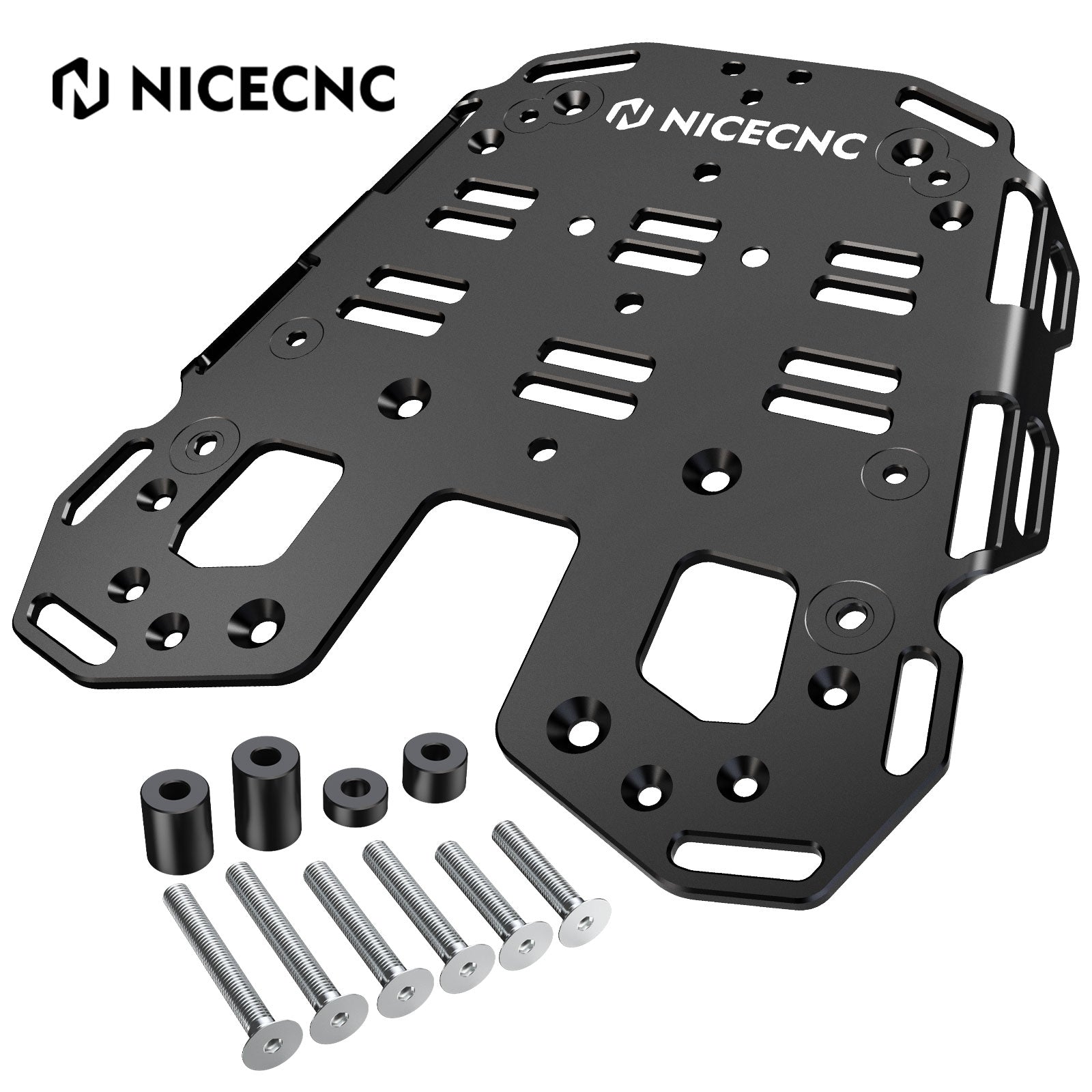
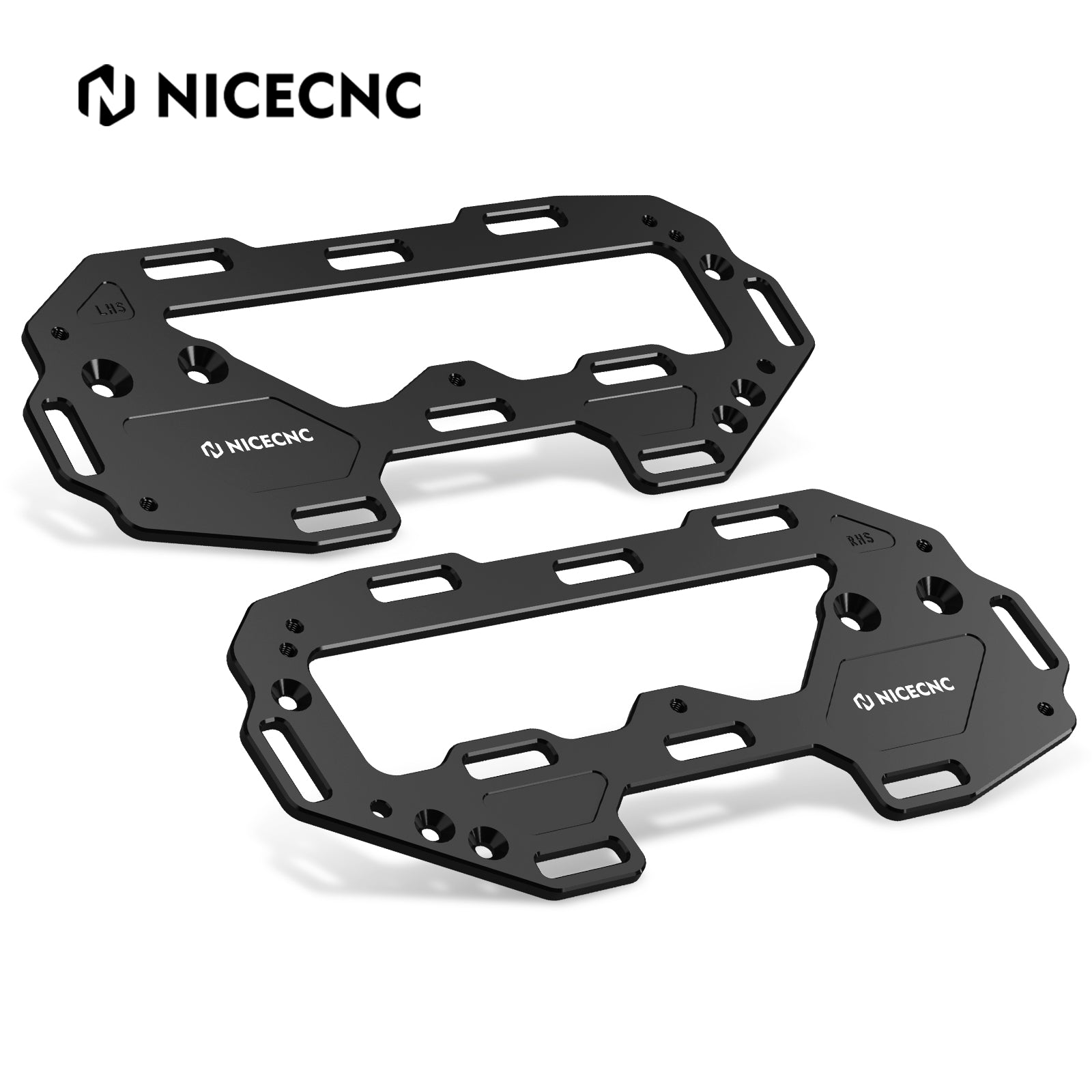
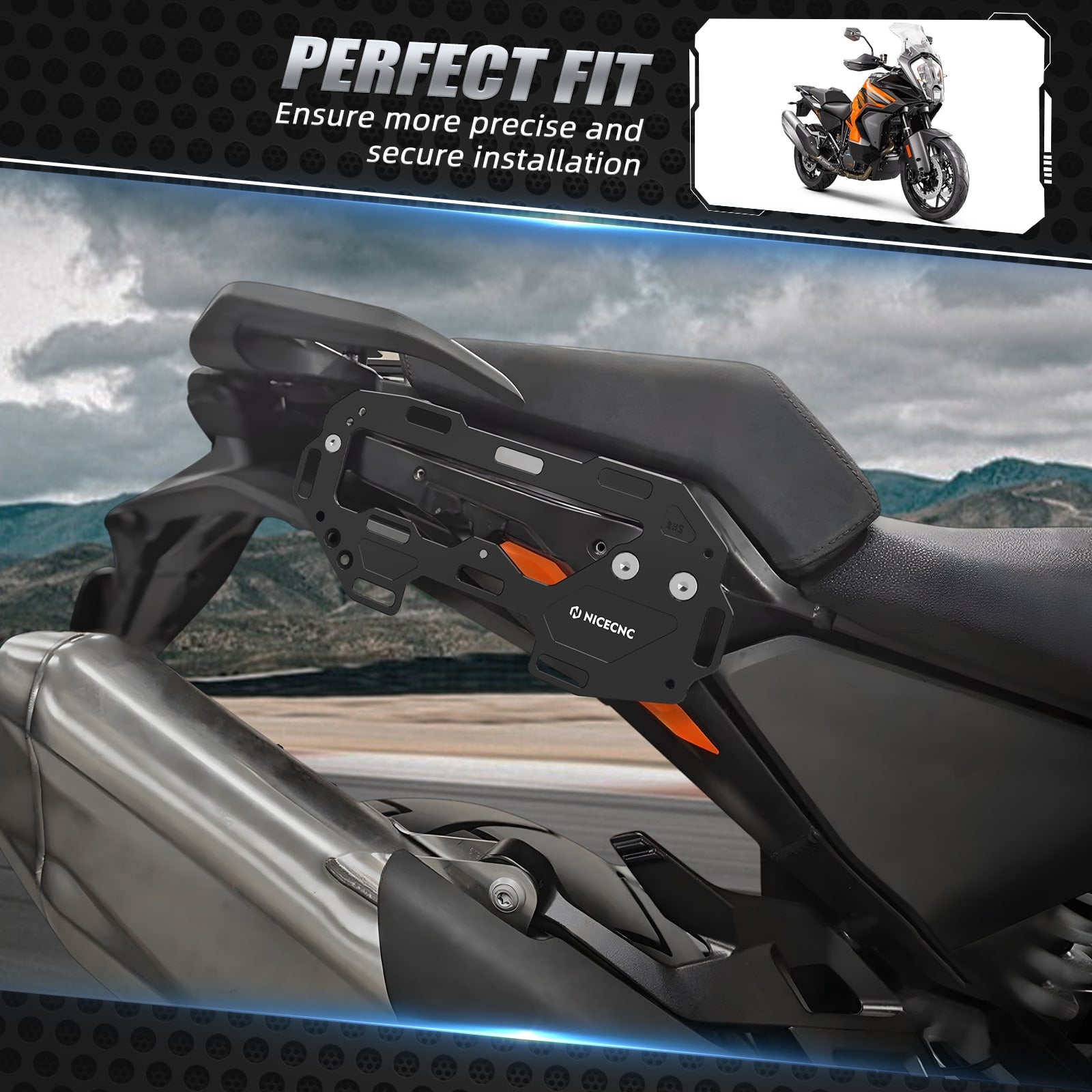
For a bike this heavy and powerful, the rack matters more than the bags themselves. Key things to check: mounting method (bolting directly to existing subframe points is more secure long-term than clamp-on designs), weight of the rack itself (every kilo there is unsprung, off-center weight you're carrying on top of your luggage), and what it's actually rated to carry — soft-luggage racks built for 4–6L packs aren't the same as ones meant to carry 20kg+ panniers. It's also worth confirming which soft-bag systems (Kriega, Mosko Moto, etc.) the rack is actually sized for, since mounting hardware differs. NICECNC's side rack for the 1290 Super Adventure R/S is a direct-bolt CNC aluminum design built around common soft-luggage systems like Kriega OS-6 and Mosko Moto Aux packs.
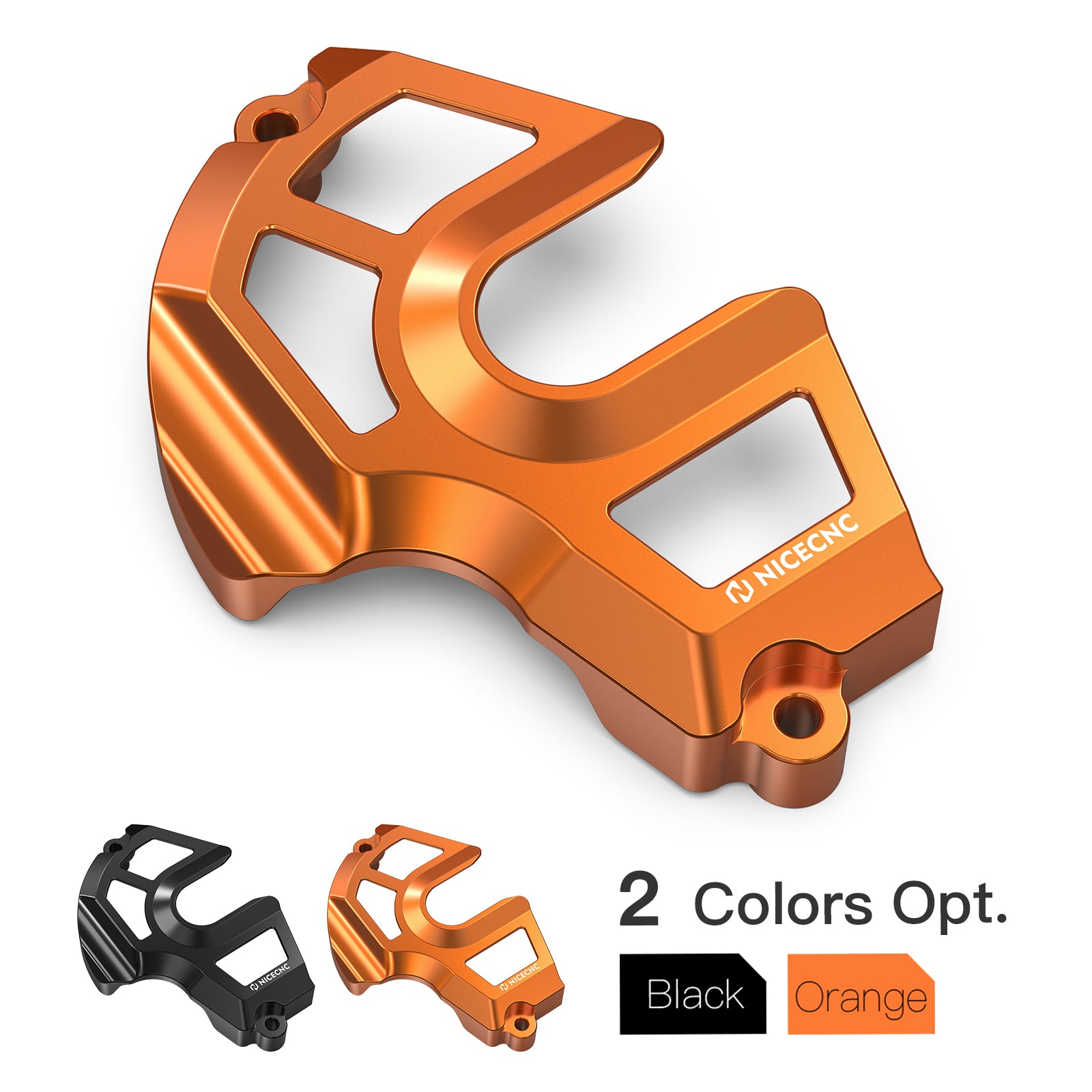
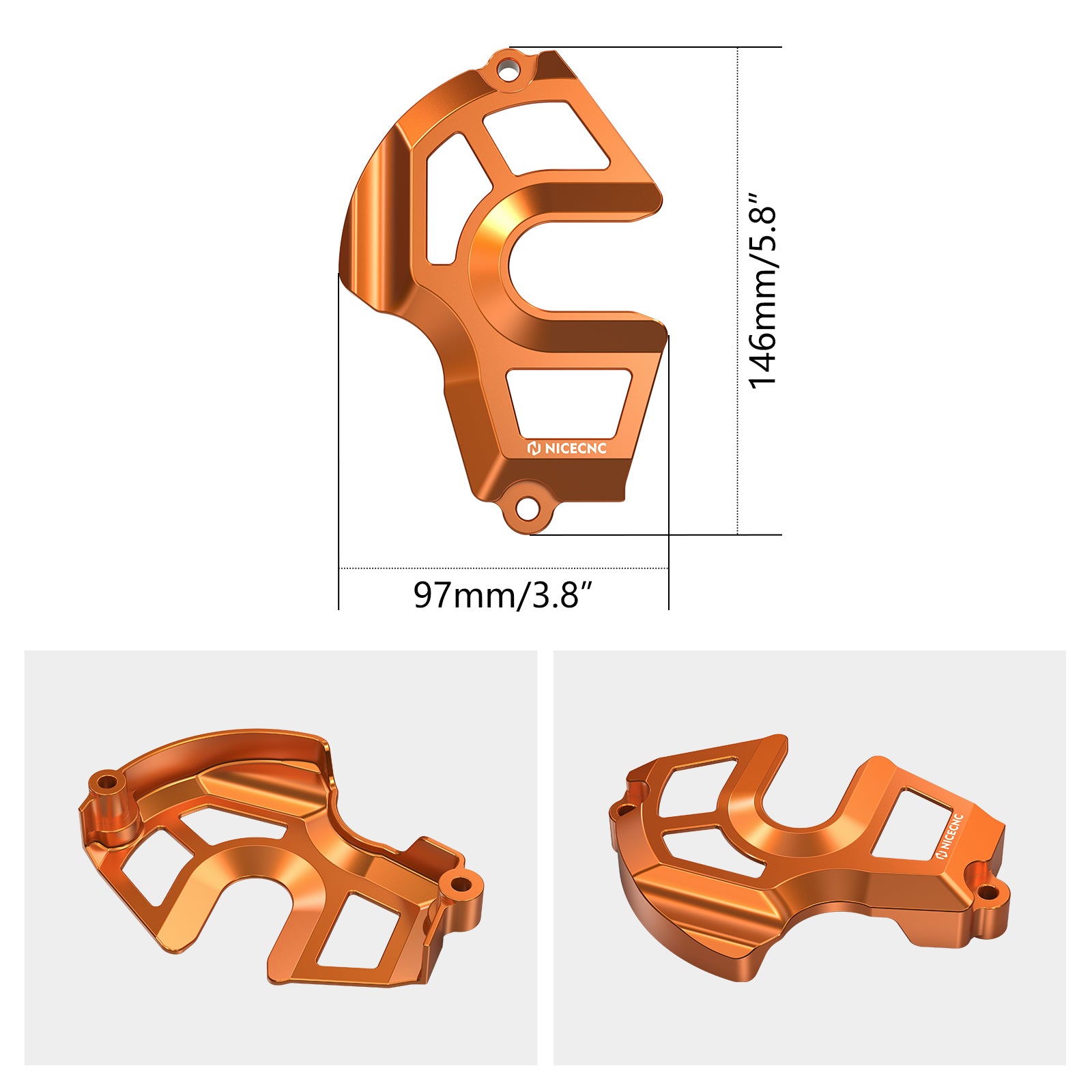
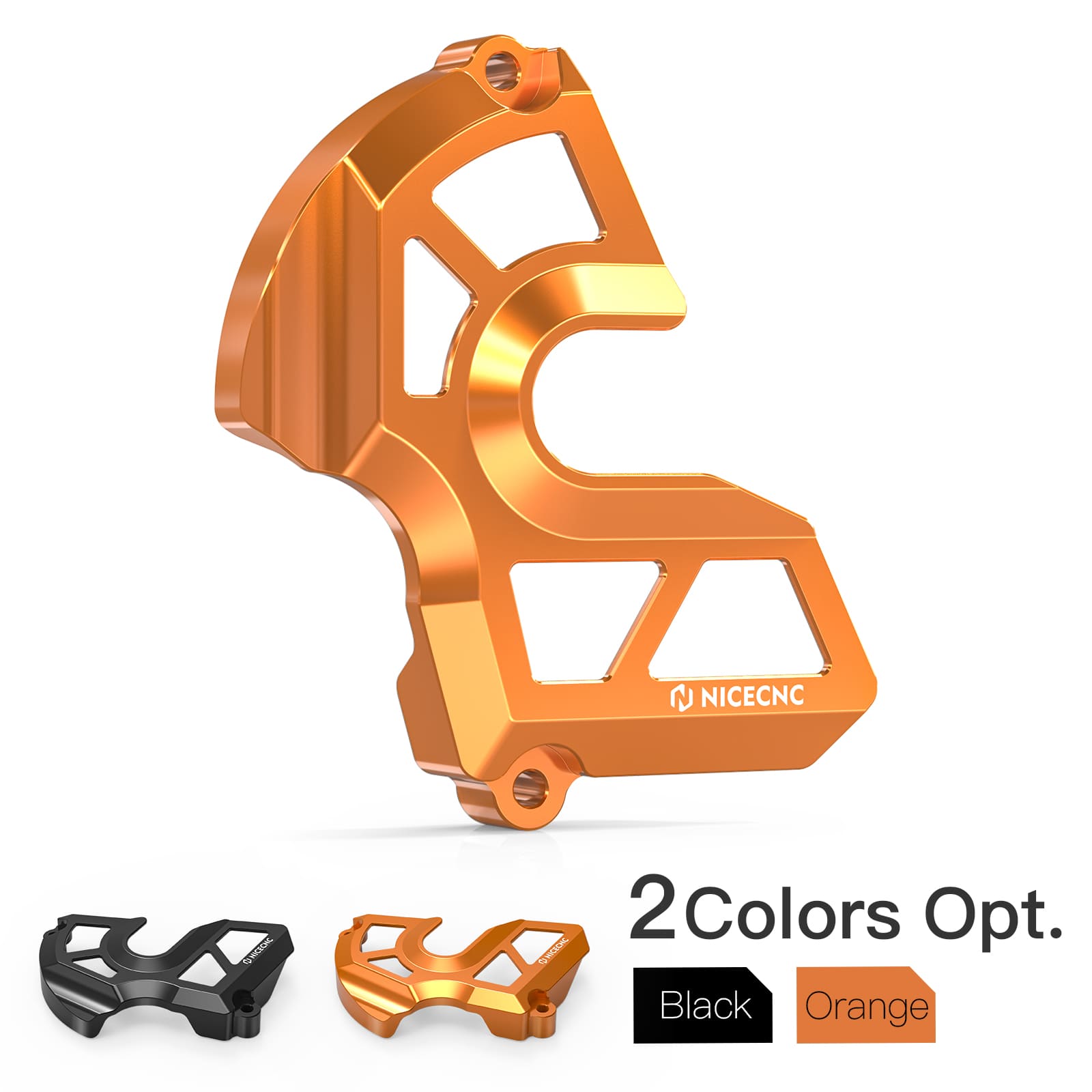
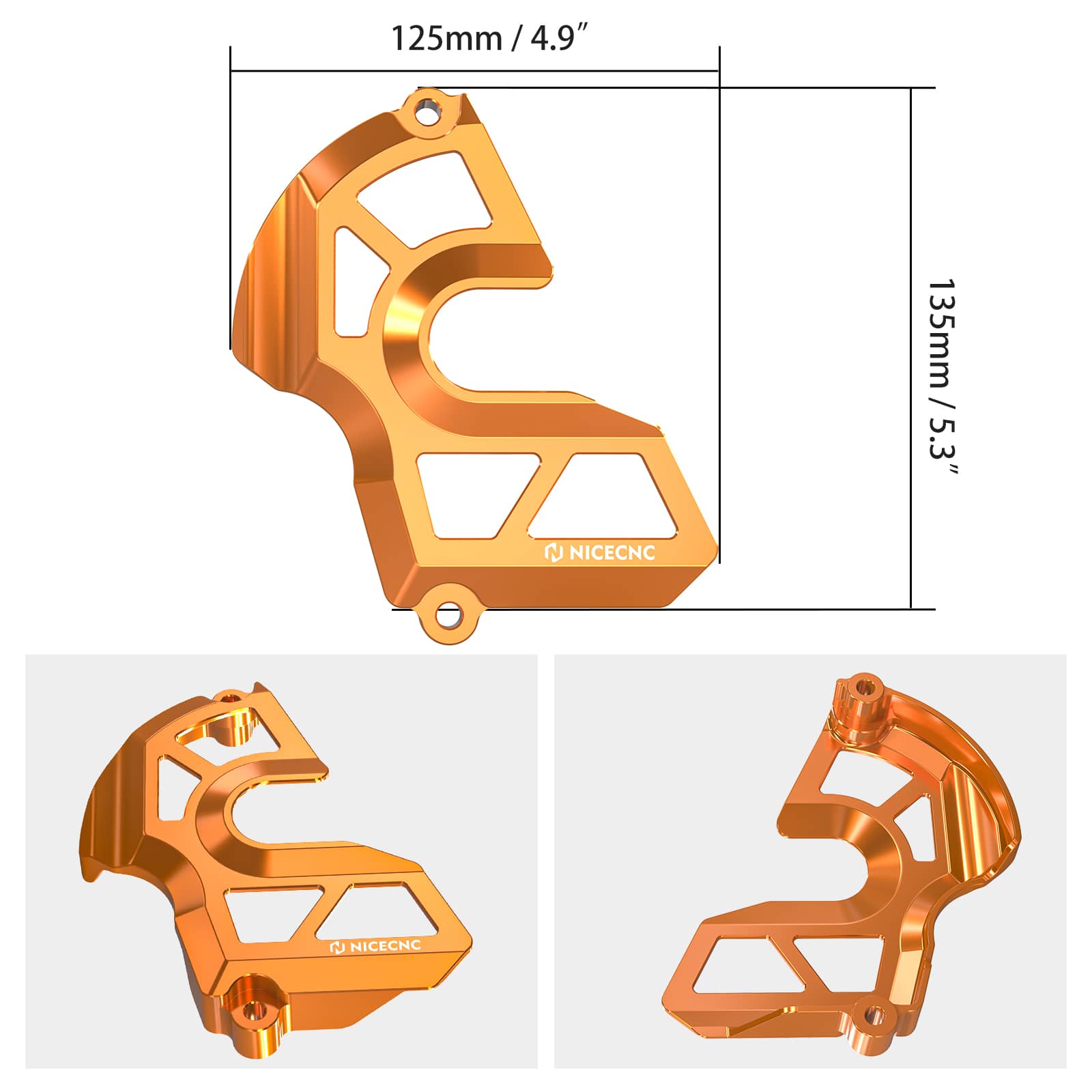
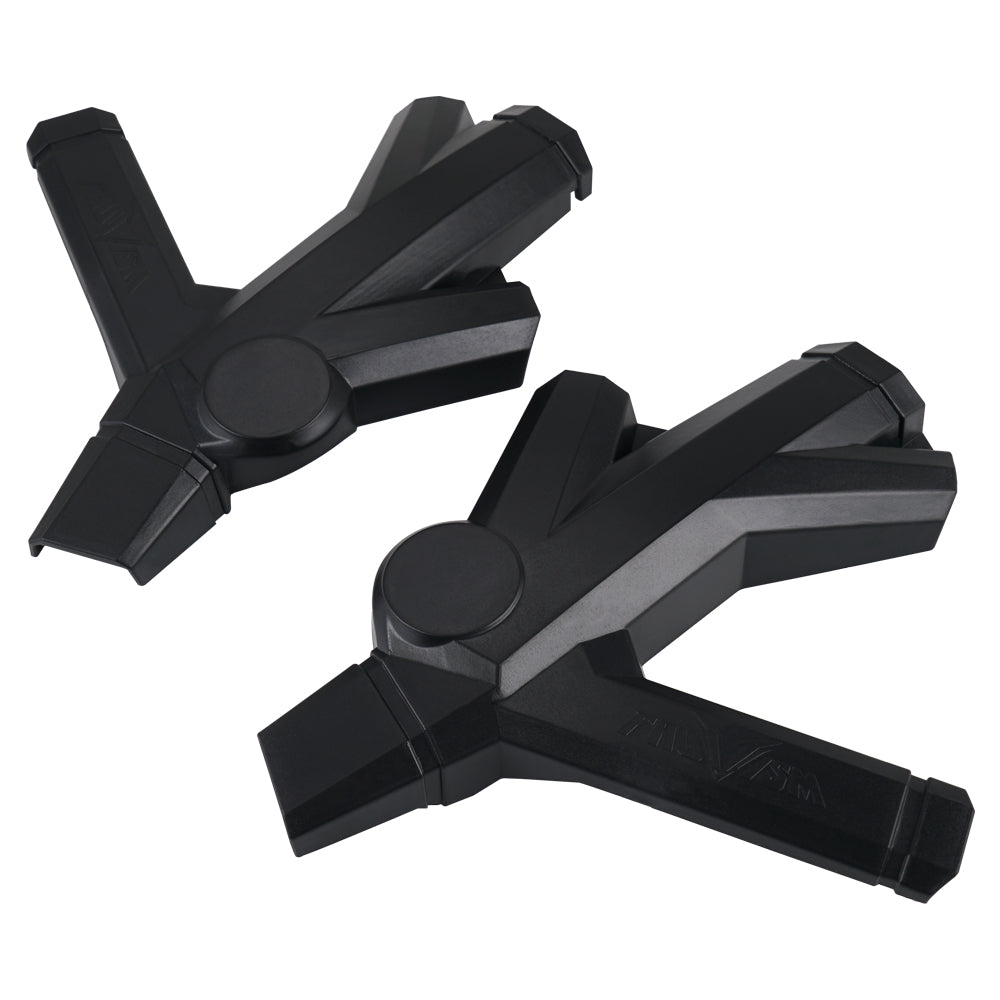
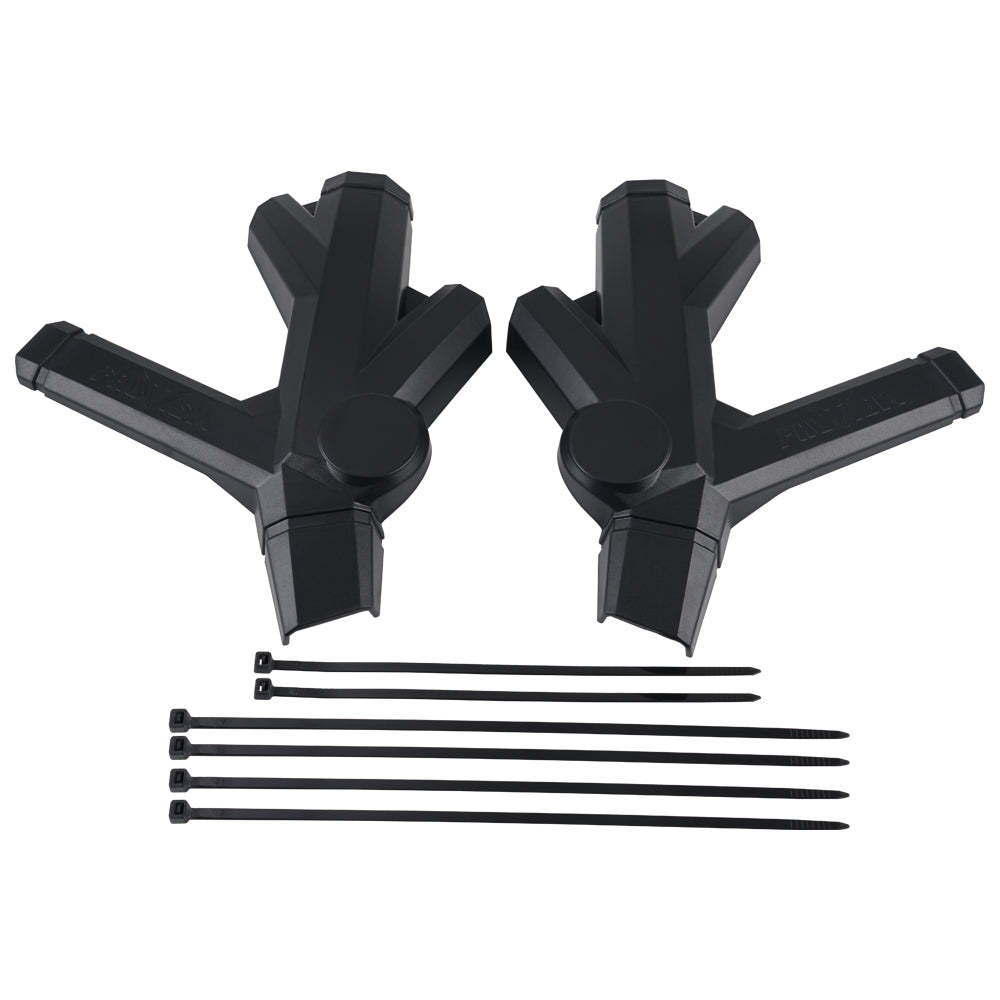
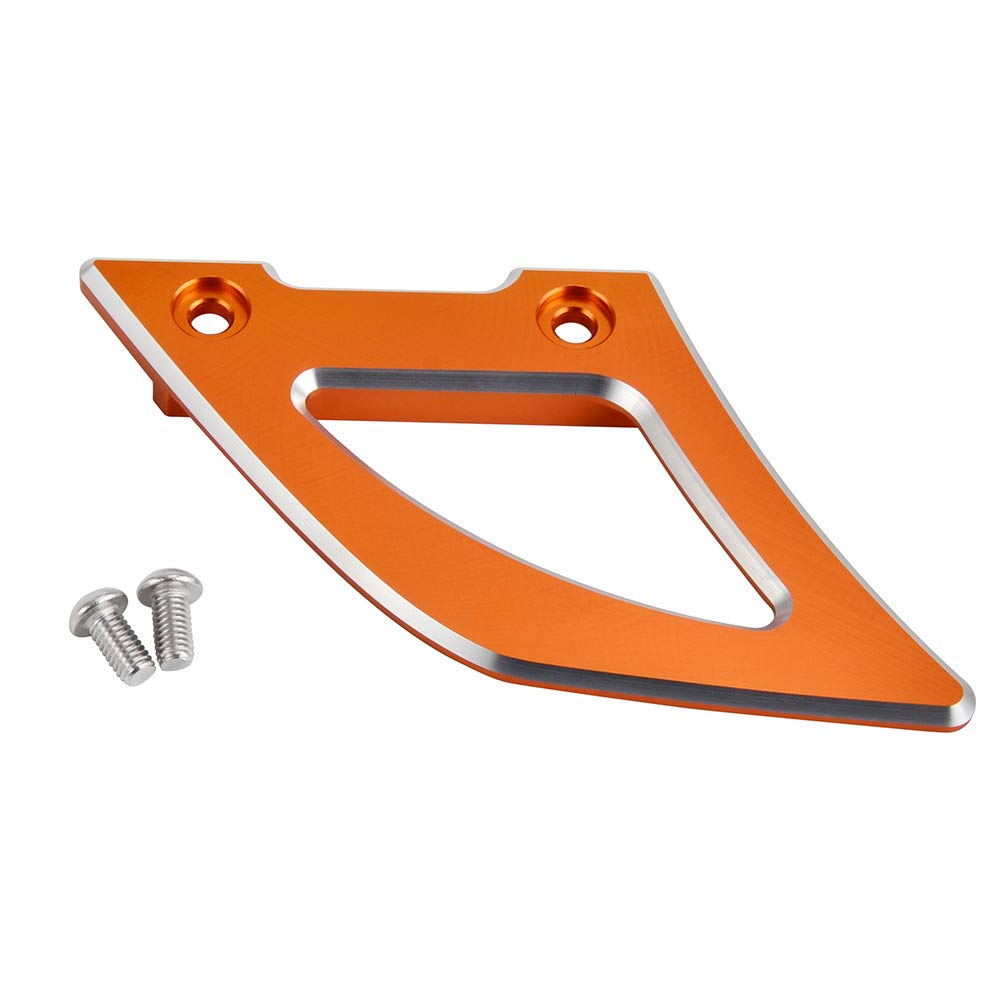
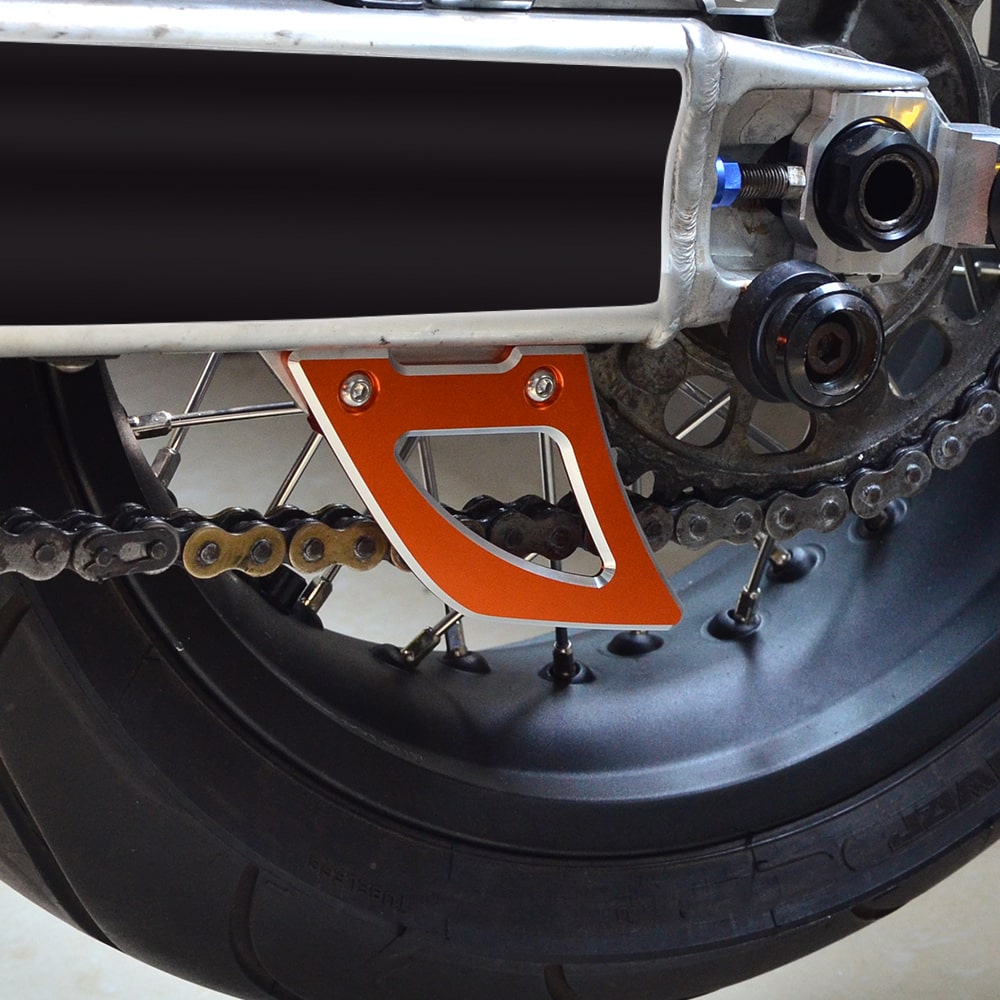
The stock sprocket area on most ADV bikes is only lightly shielded, which matters because a thrown or snapped chain at speed can whip into the engine case — cracking it and causing an oil leak that ends a ride (or a trip) on the spot. It's a low-probability but high-cost failure, which is why case savers are common on bikes ridden off-road or loaded with luggage, where chain slap and debris exposure are both higher. A good case saver should cover the vulnerable case area without blocking access to inspect the sprocket or clear debris — a fully closed guard makes routine chain maintenance harder. NICECNC's sprocket cover for the 1290 Super Adventure uses an open-window design specifically so it protects the case without turning basic inspection into a teardown.
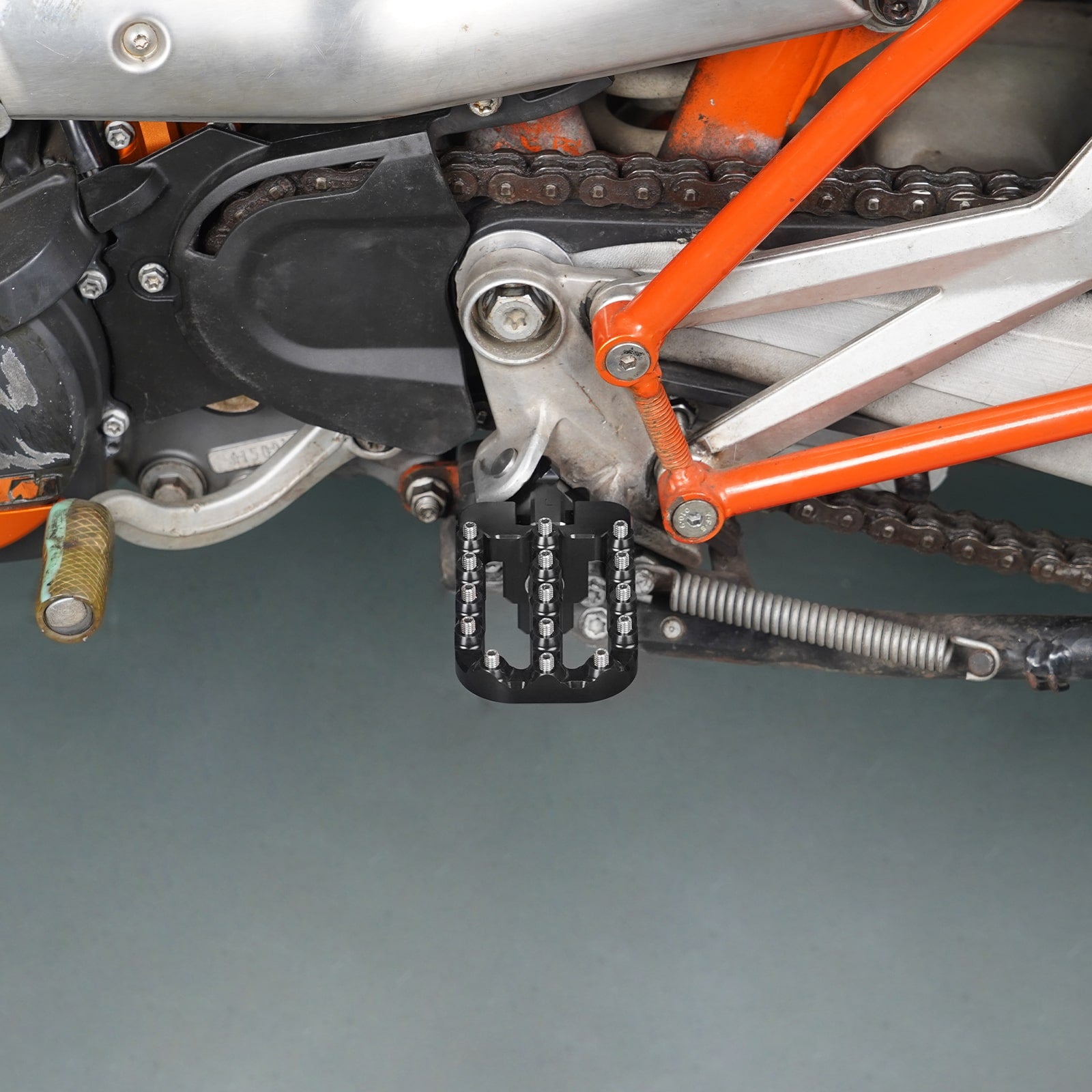
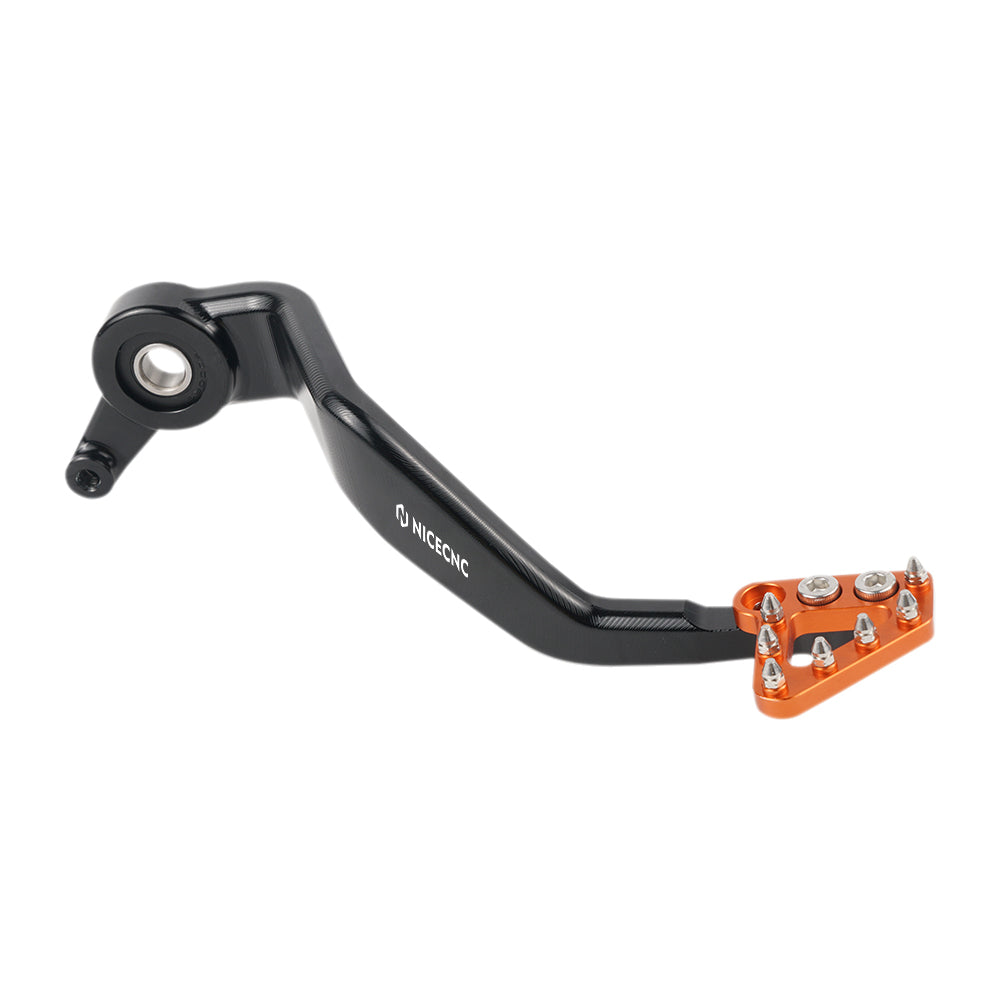
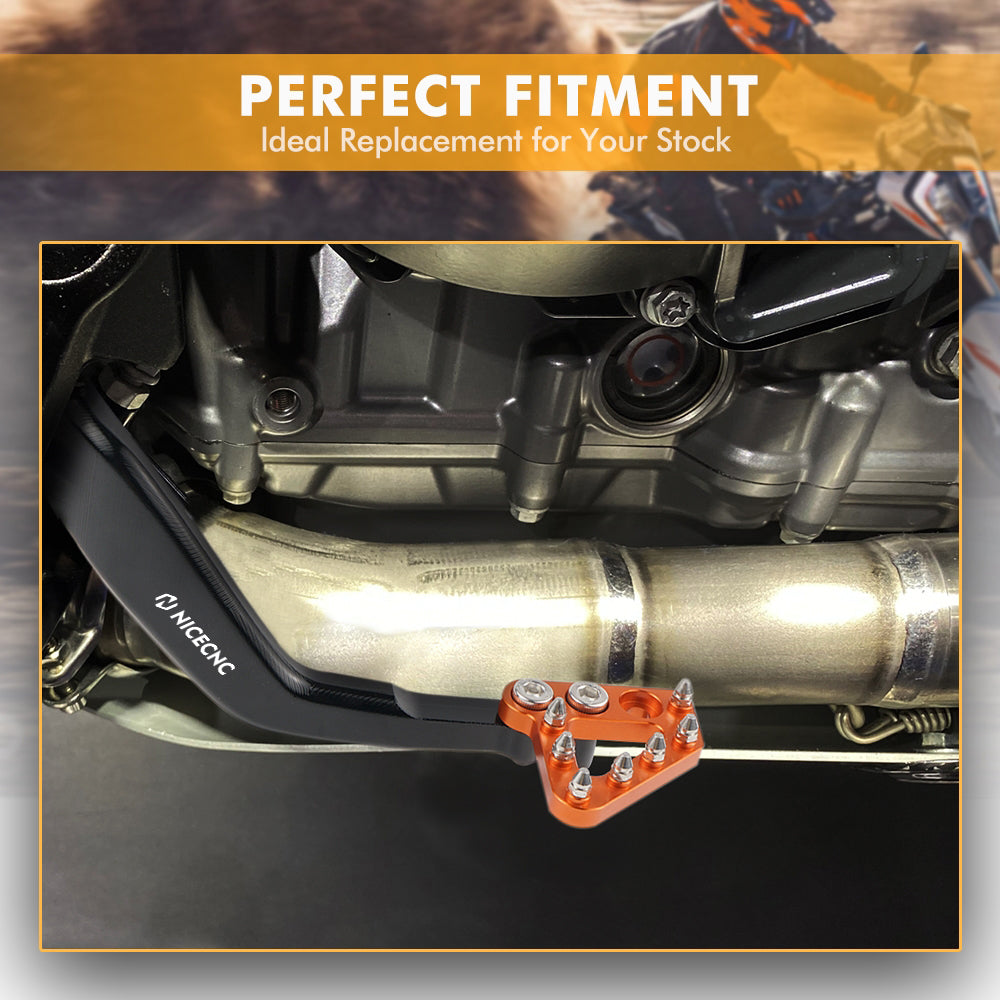
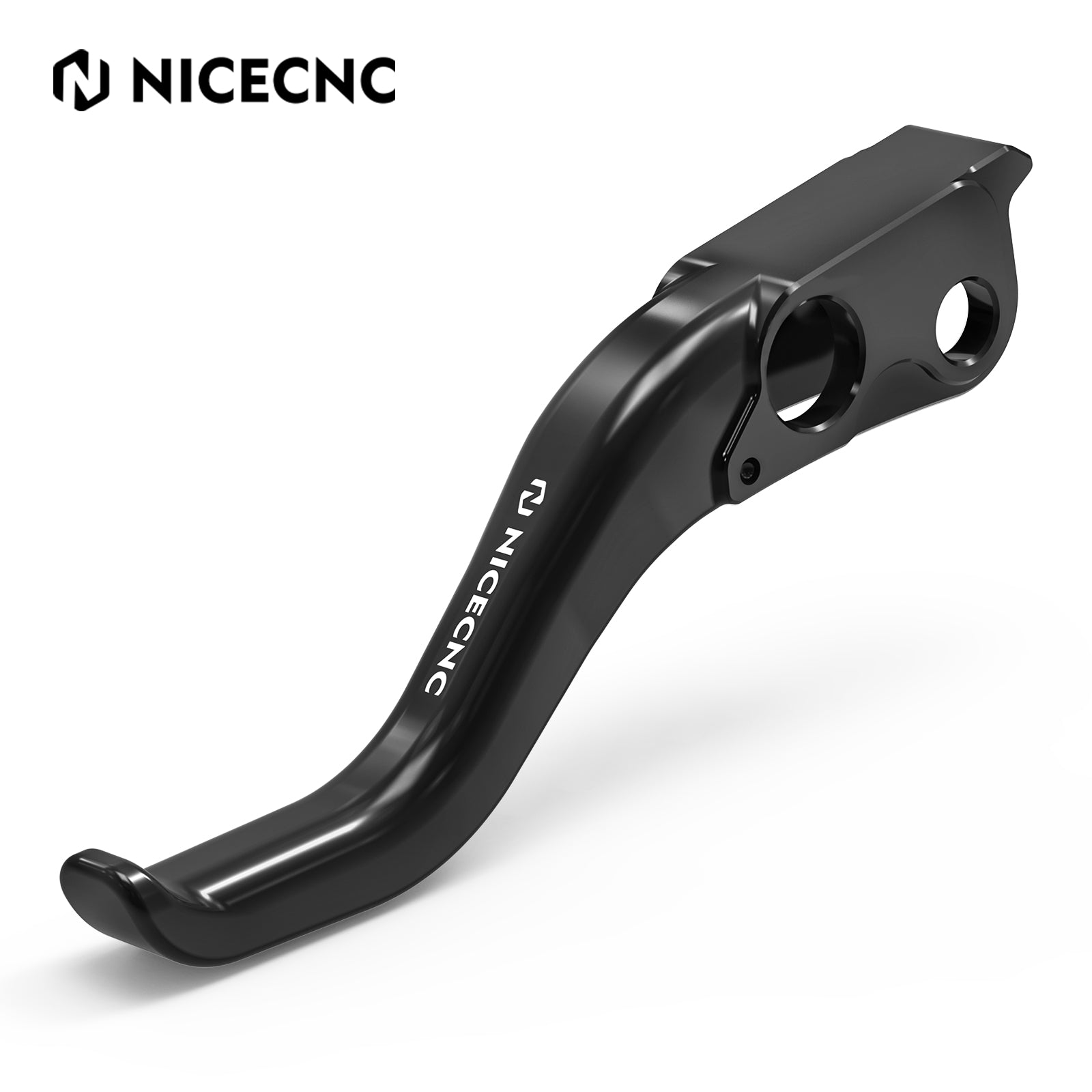
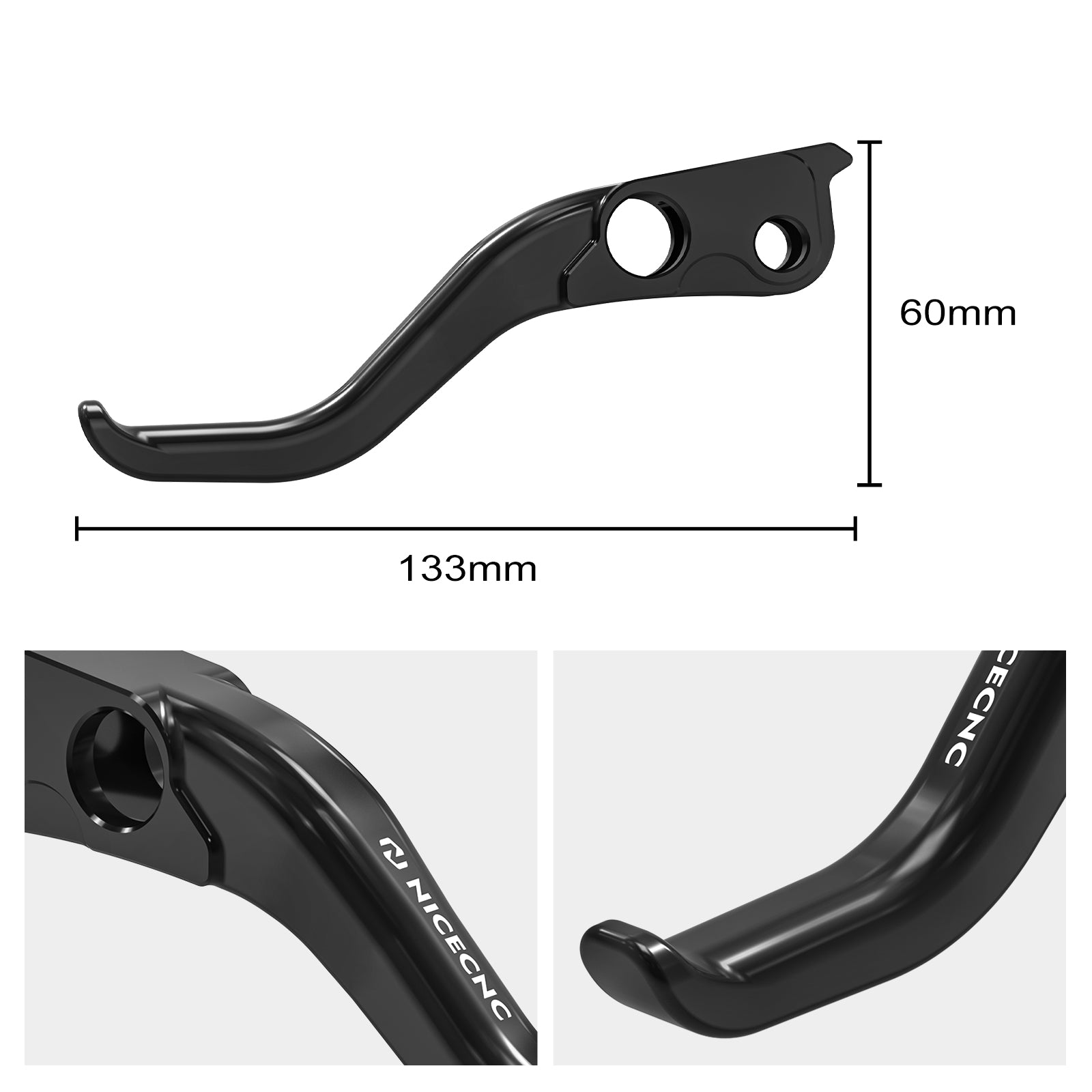
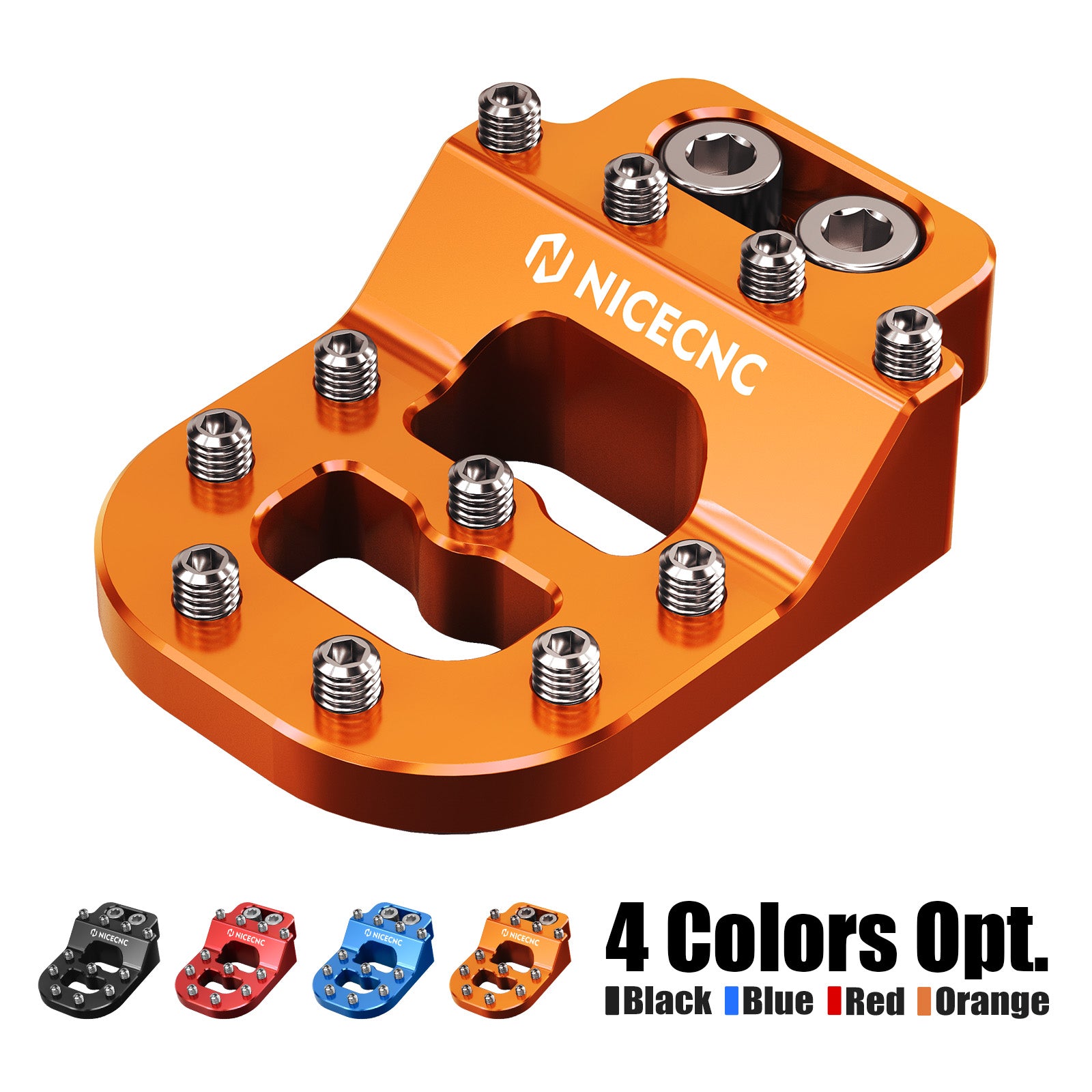
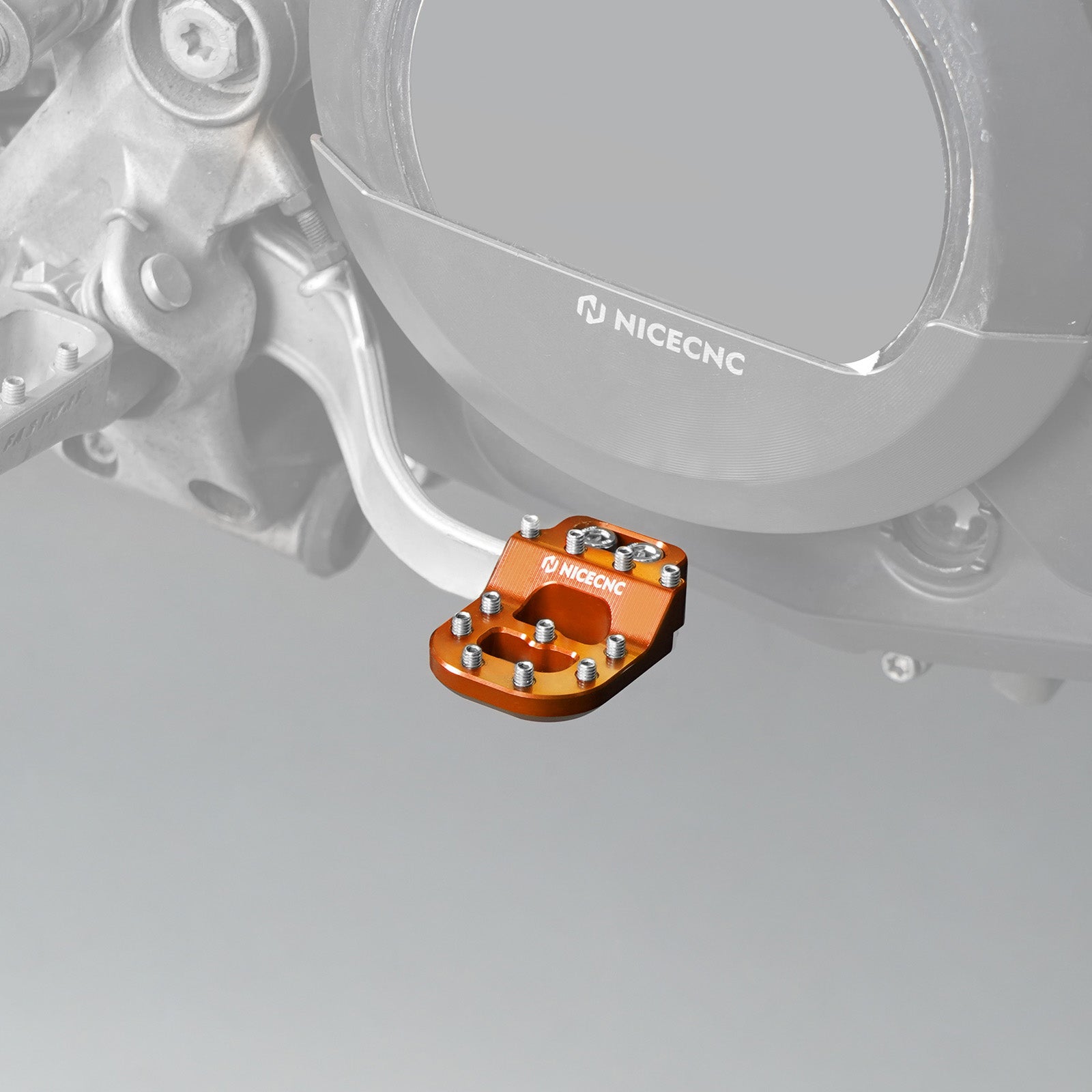
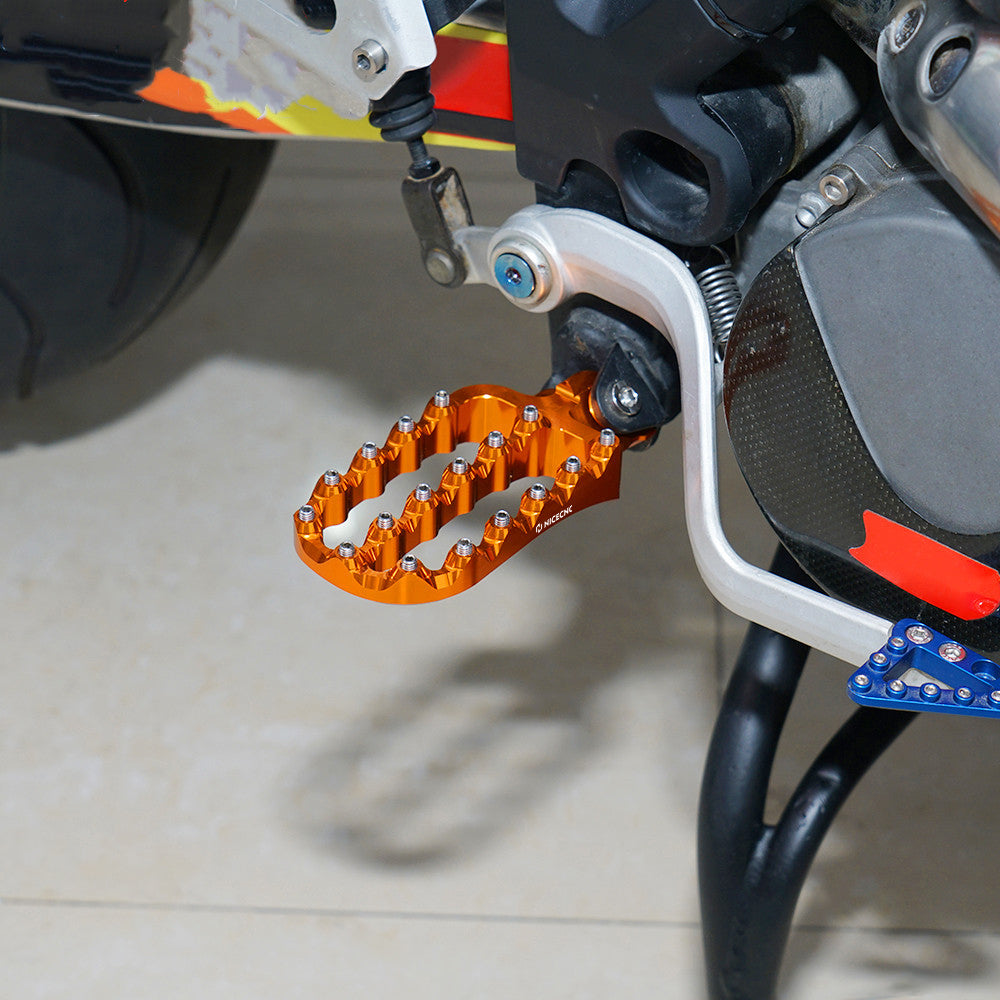
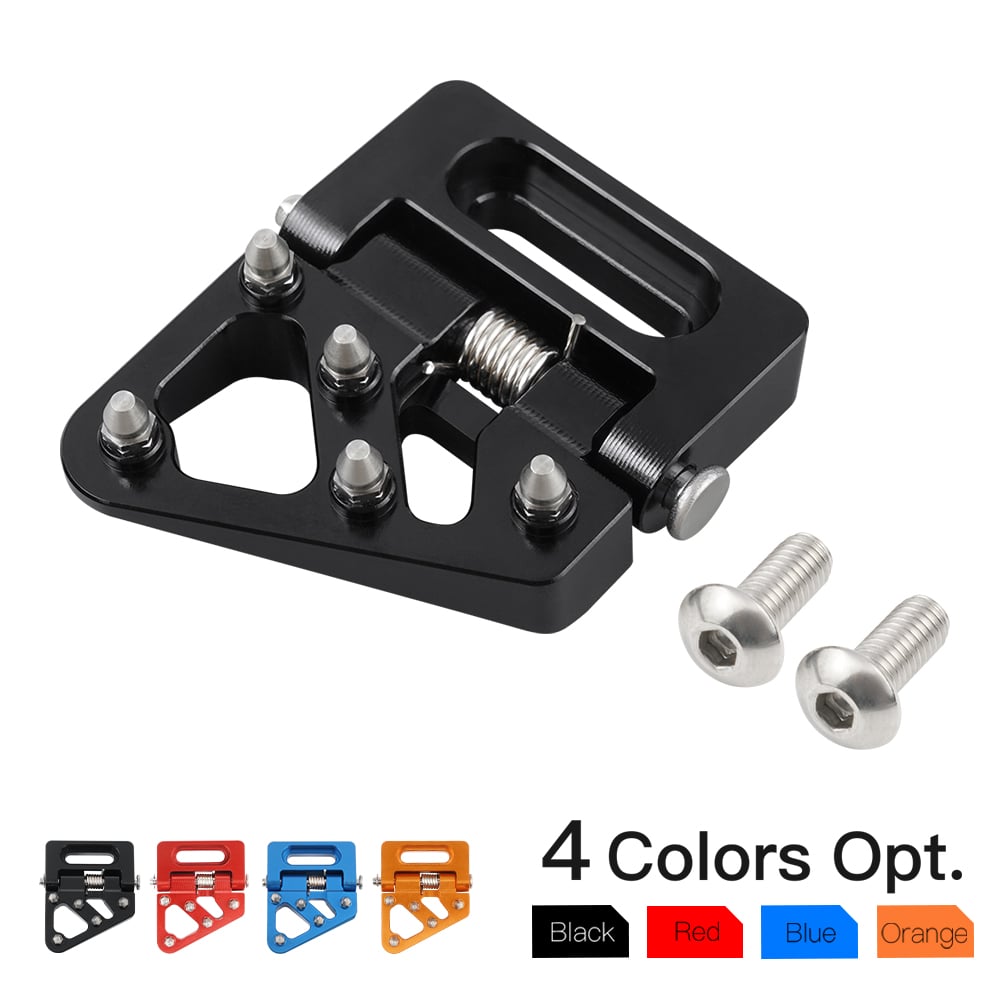
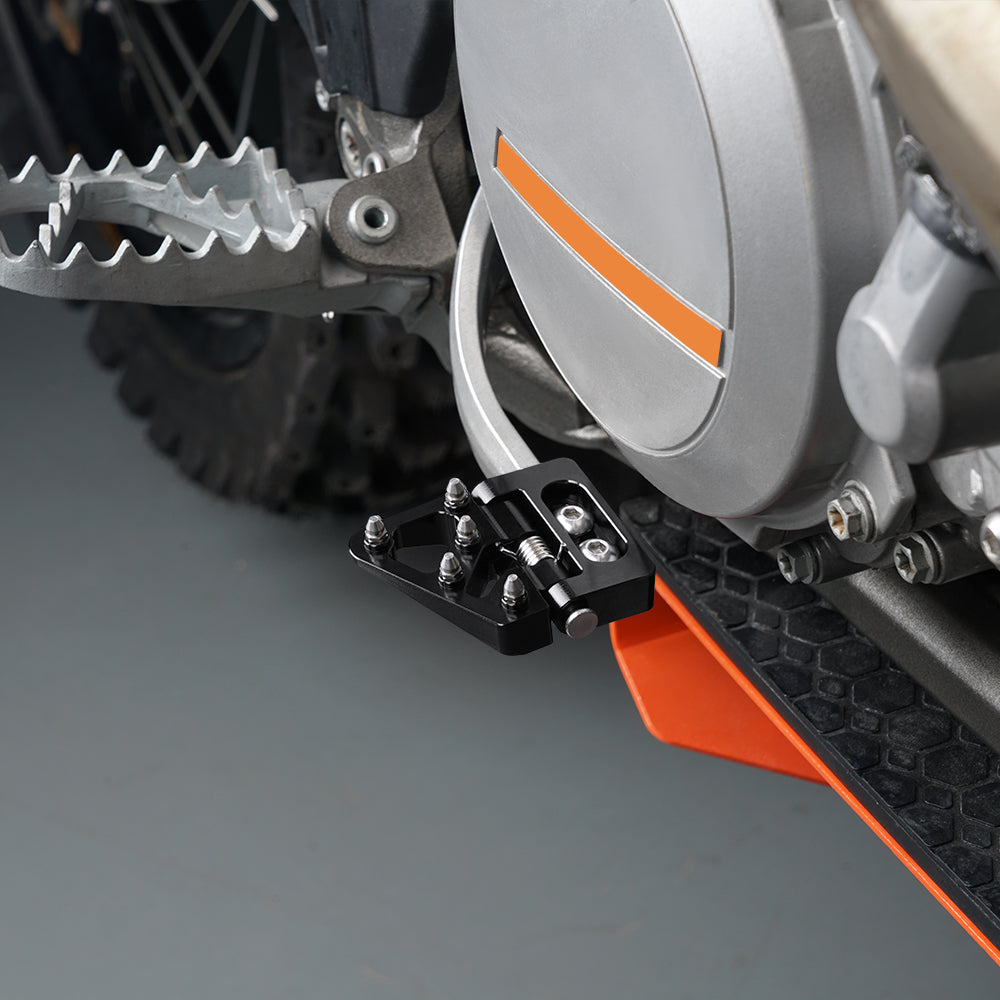
The factory rear brake pedal on these Adventure models is functional for street use, but standing on the pegs off-road — braking hard over rocks, ruts, or during a tip-over — puts more lateral and impact stress on that lever than it typically sees on pavement. Riders who spend real time off-road often report the stock pedal bending or feeling less precise under boot pressure well before it fails outright. Upgrading usually comes down to material: aircraft-grade aluminum alloys (like 7075) resist bending under impact better than the factory casting while staying lighter overall. NICECNC's reinforced rear brake pedal for the 1290/1190/1090/1050 Adventure lineup is CNC-machined from 7075 aluminum as a direct OEM-fit swap.
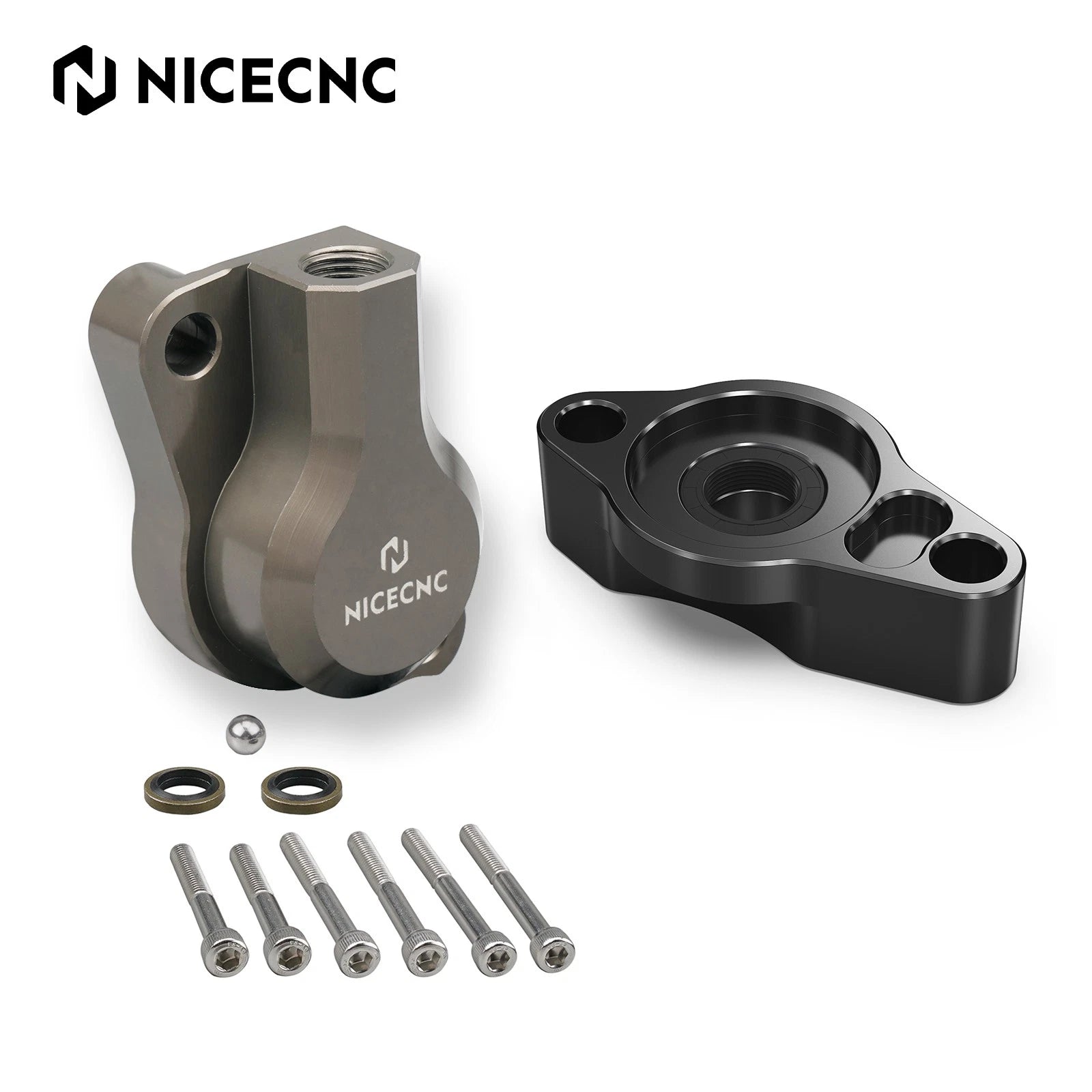
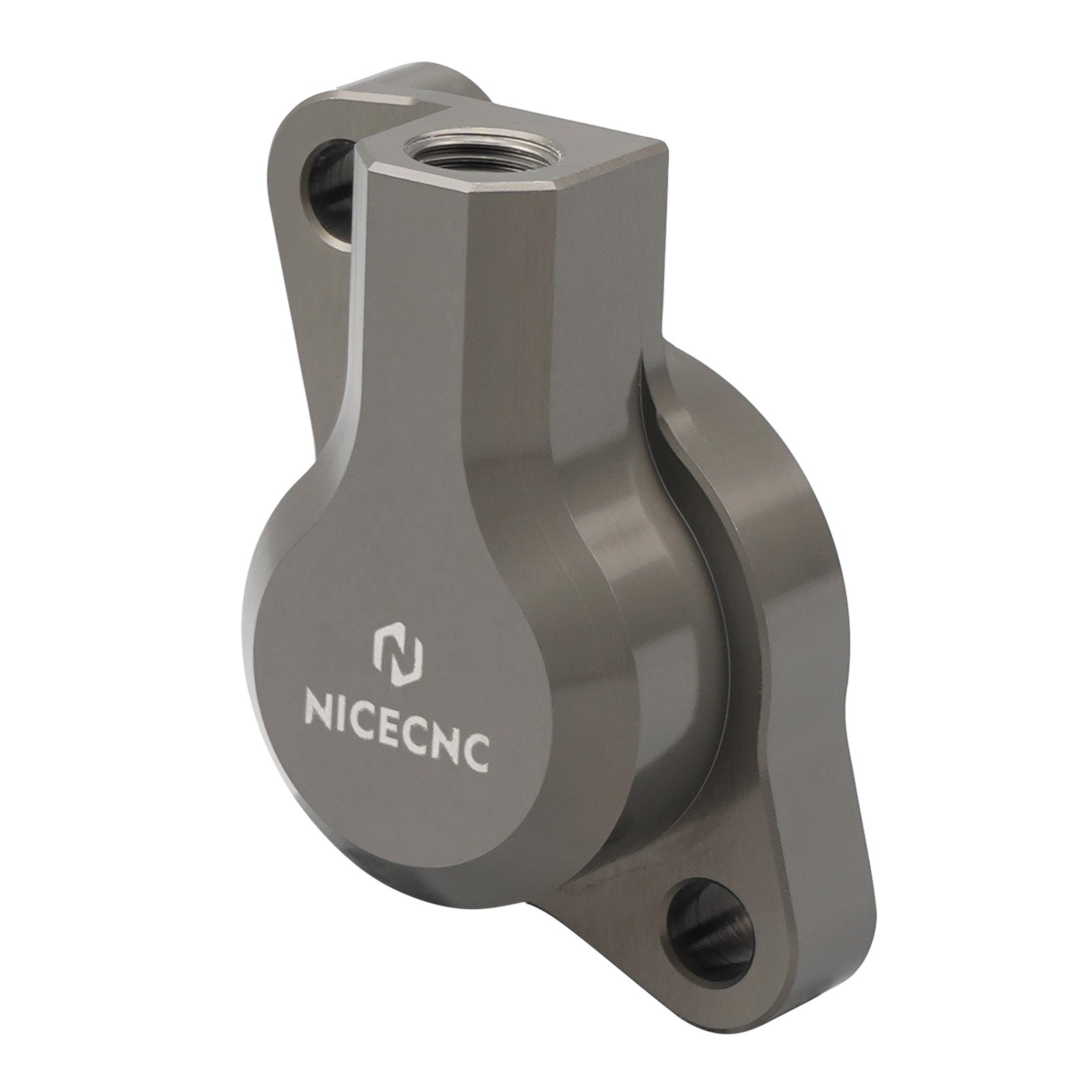
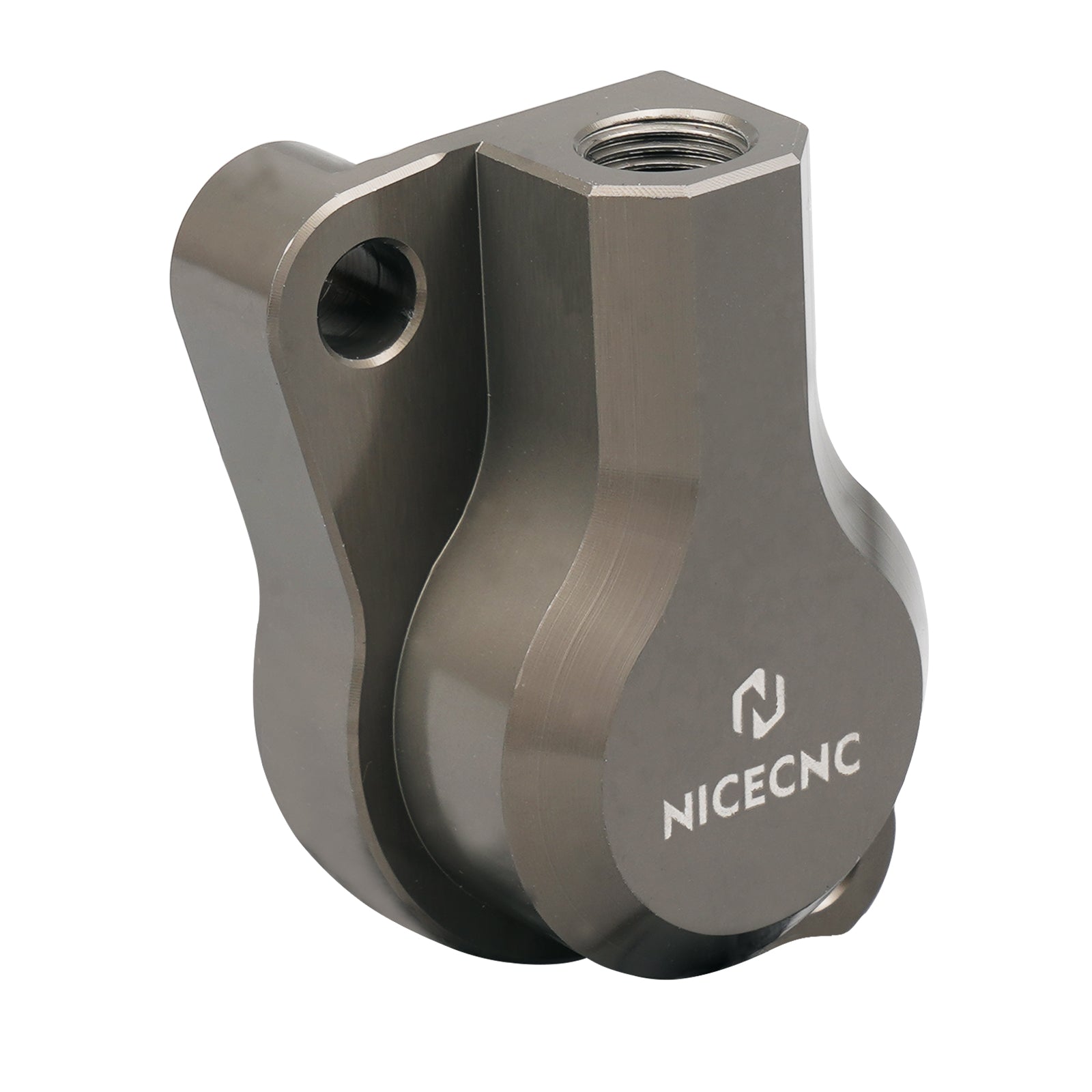
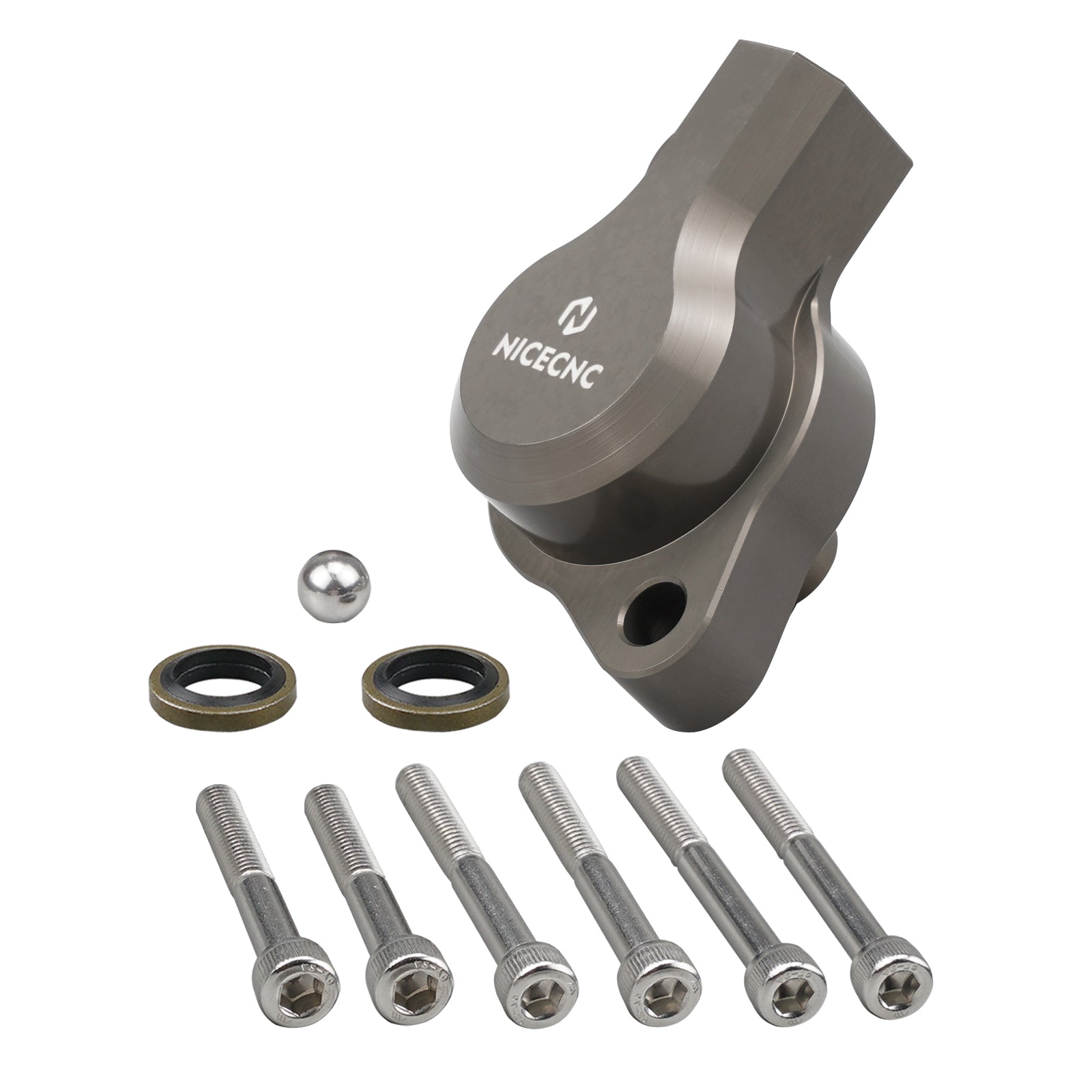
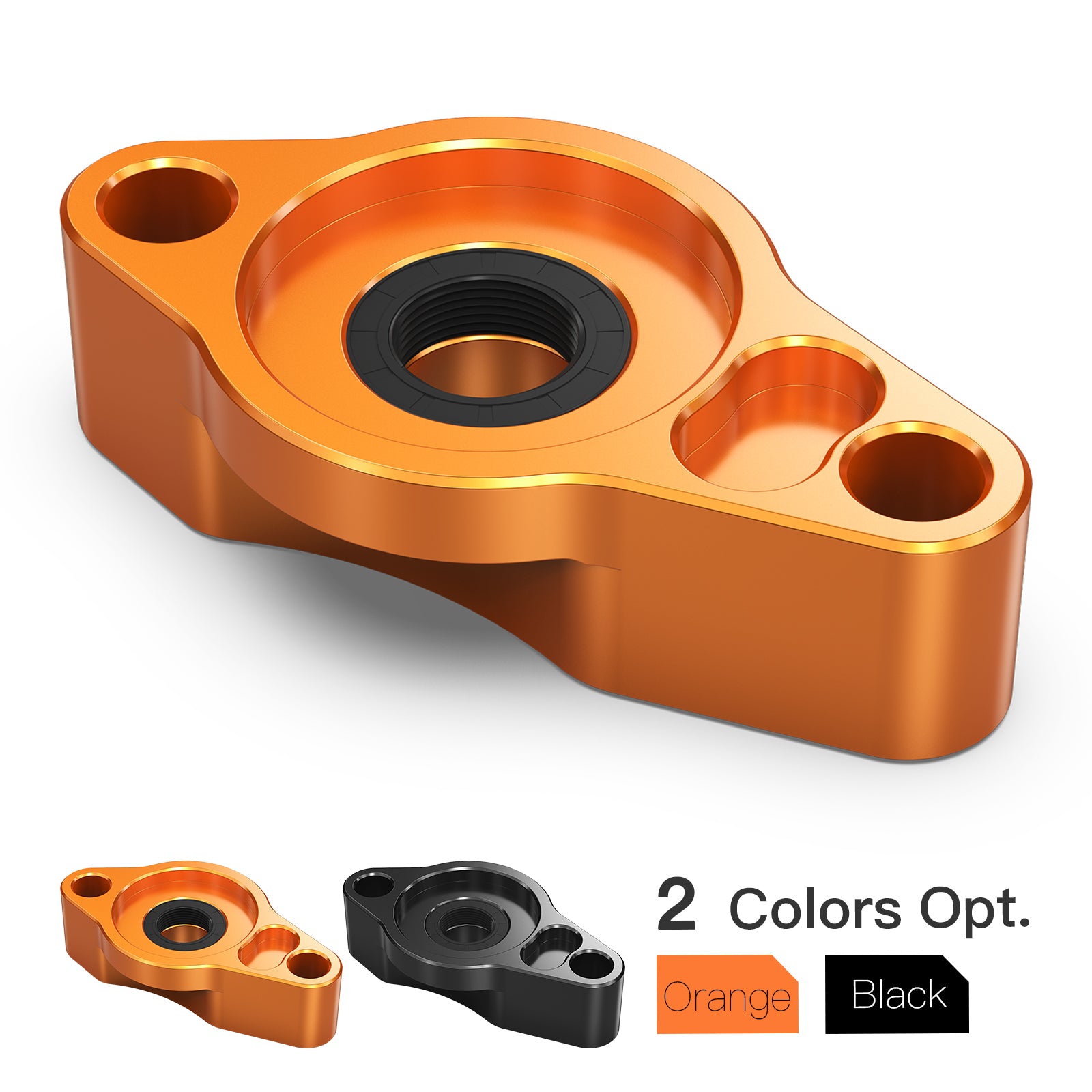
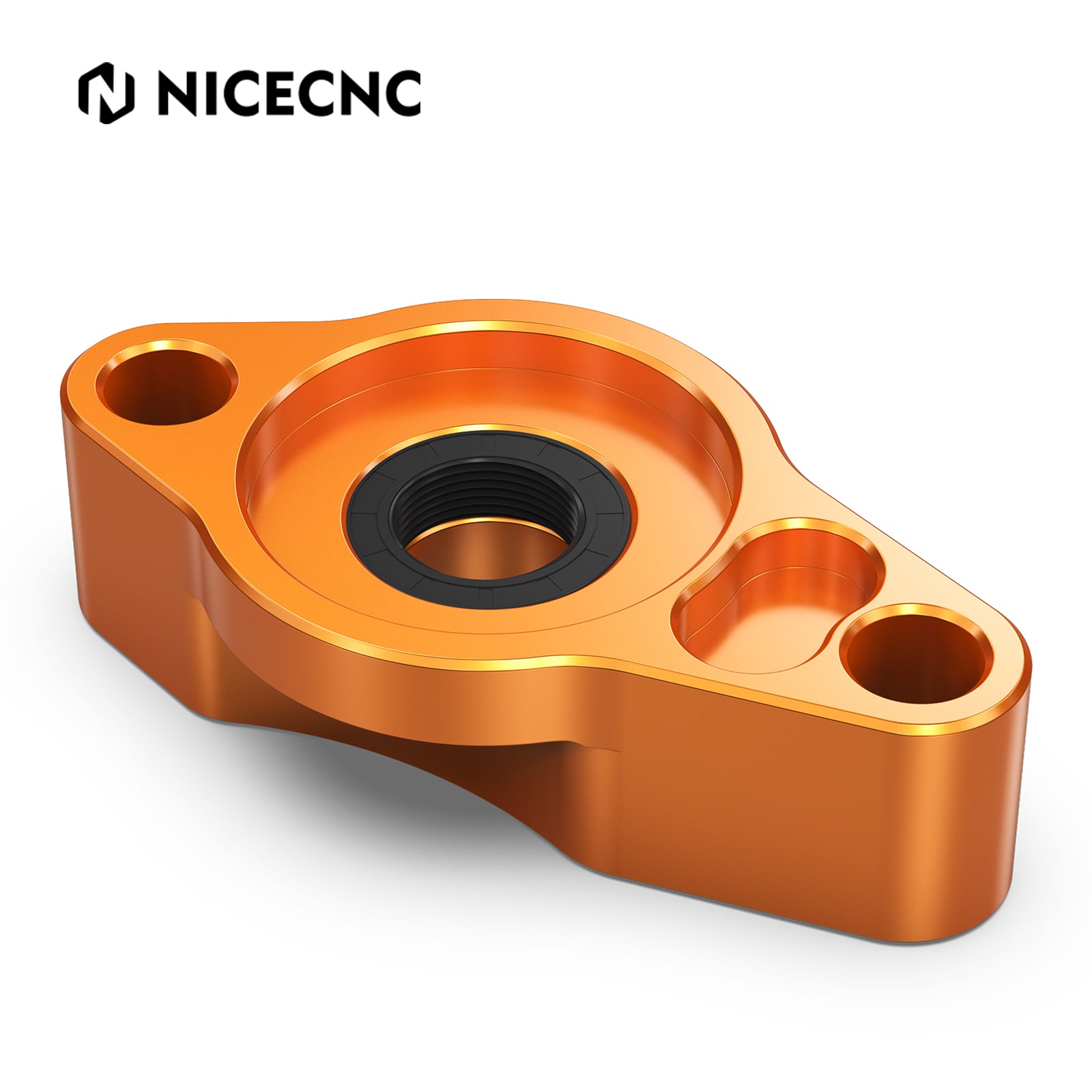
On KTM's LC8 engine platform, the OEM clutch slave cylinder uses a plastic backing plate and piston seals that are known to wear or leak over time, especially with heat cycling from repeated hard use. Symptoms typically show up as a soft or inconsistent clutch lever feel, visible fluid seepage around the slave cylinder housing, or a clutch that gradually loses its engagement point. Because the plastic backing plate can flex under pressure, seal wear here tends to repeat even after a straightforward OEM part swap unless the backing plate itself is upgraded. That's the gap NICECNC's clutch slave cylinder + mounting plate kit is built to close — a CNC aluminum backing plate with an improved dual-seal piston, designed as a durability fix rather than a like-for-like replacement.
The backing plate's job is to keep the piston aligned and evenly loaded as hydraulic pressure pushes it in and out with every clutch pull. KTM's factory backing plate on LC8-family engines is plastic, and plastic flexes slightly under repeated pressure cycles in a way rigid aluminum doesn't. Over thousands of clutch actuations, that flex lets the piston sit slightly off-center, which accelerates wear on the seals riding against it — eventually leading to the leaks and spongy-lever symptoms owners report. It's a design trade-off (cost and weight) rather than a manufacturing defect, which is why it shows up across the LC8 range rather than on isolated bikes. Because the root cause is the plate's rigidity, most durability fixes for this problem replace the backing plate material rather than just swapping in another OEM-spec piston and seals — which is the approach behind NICECNC's aluminum backing plate kit.
The main things worth checking are: backing plate material (aluminum resists the flex that causes premature seal wear, unlike the factory plastic), seal compound and fluid compatibility (make sure it's rated for whatever you're actually running — mineral oil or DOT 4, since KTM has used both across models), and whether the piston is guided or supported during travel, which keeps it centered and reduces uneven wear over the life of the seals. A finish like hard anodizing also matters less for function and more for corrosion resistance if the bike sees wet or salted roads. NICECNC's kit for the 1290 Super Adventure R covers those points with a CNC 6061-aluminum backing plate, dual-seal piston, and compatibility with both mineral oil and DOT 4 fluid.