


























FAQ
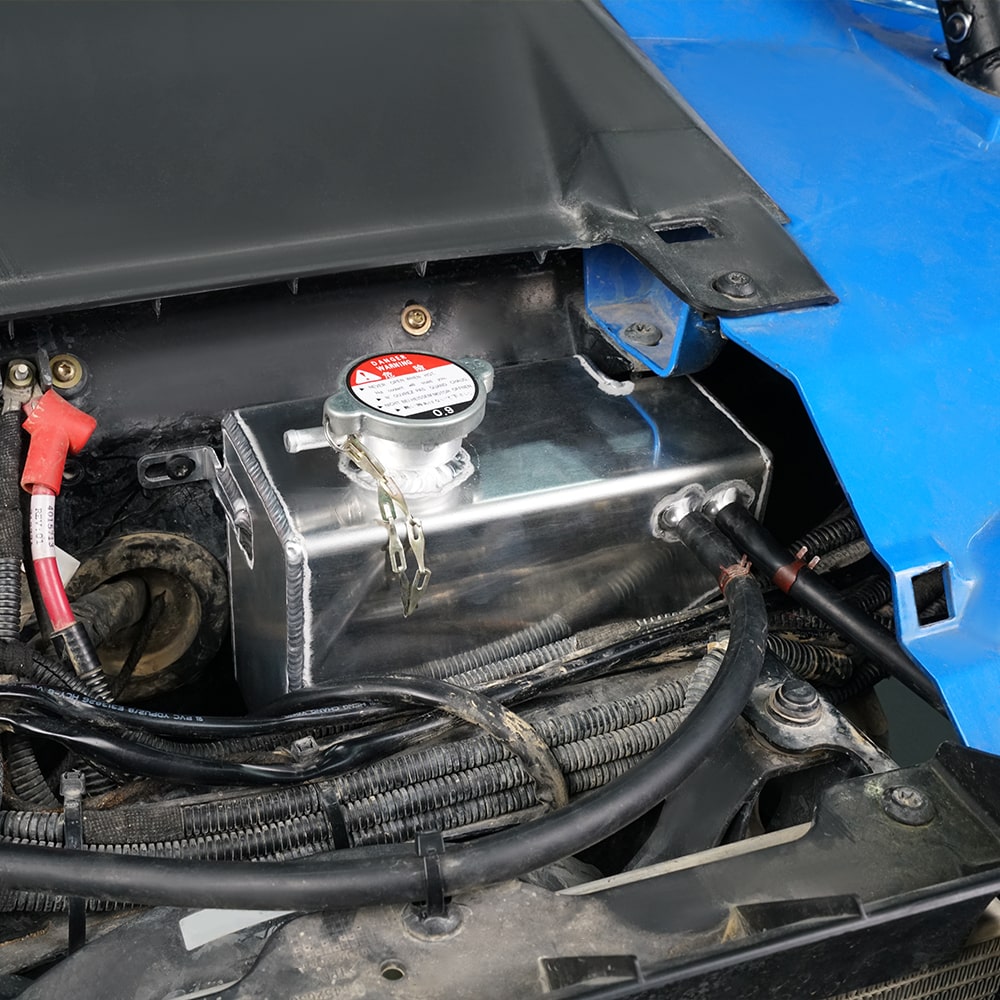
Sustained high-load riding in hot ambient temperatures — climbing dunes, running wide-open in soft sand, or slow technical crawling in summer heat — pushes the cooling system harder than typical trail riding, and a stock-capacity coolant reservoir gives less margin to absorb that heat before temperatures start climbing. This is more of a capacity limitation than a sign anything's failing. A larger-capacity coolant surge tank, such as NICECNC's version for the RZR XP 4 Turbo (2016-2021), adds more coolant volume to buffer against heat soak on long, hard rides.
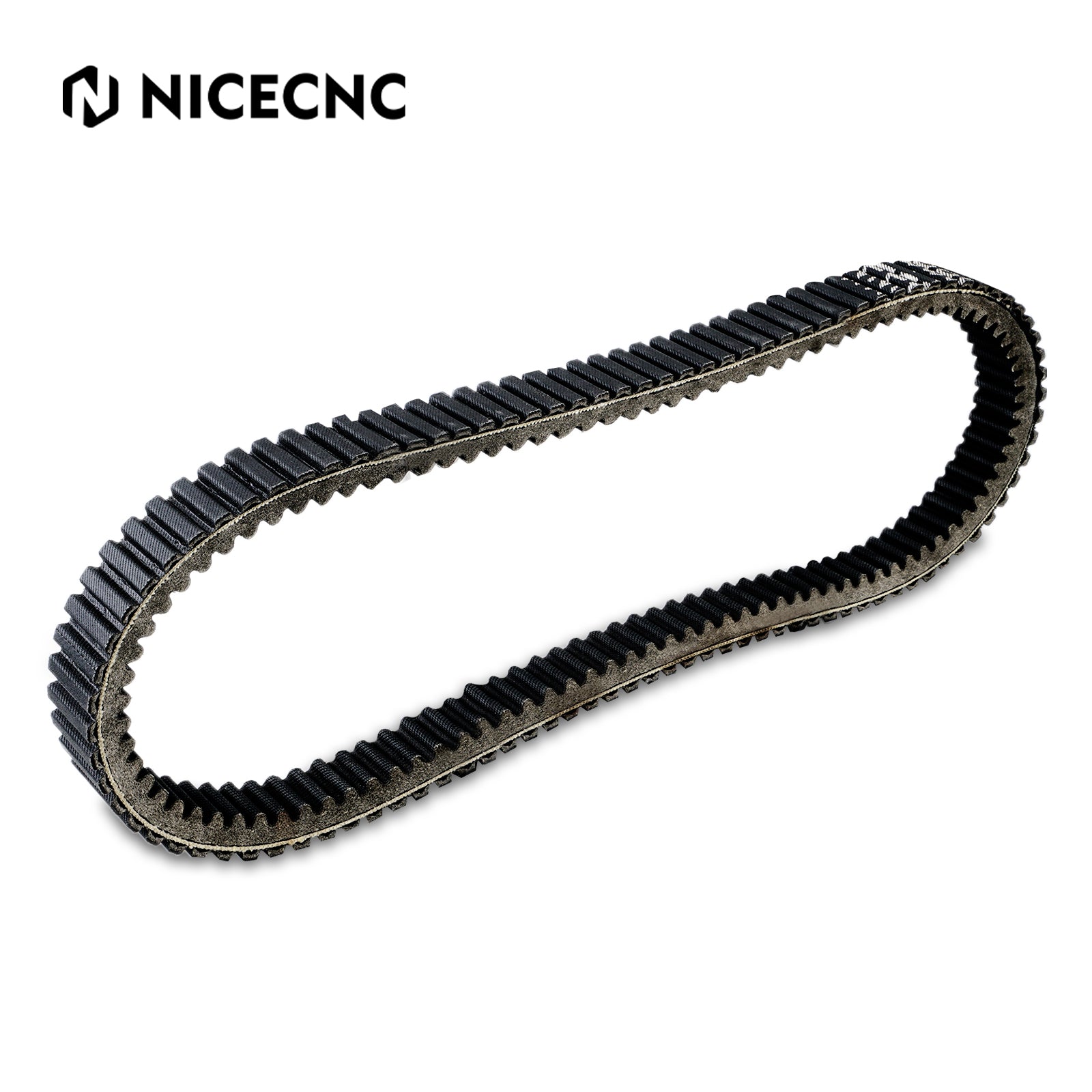
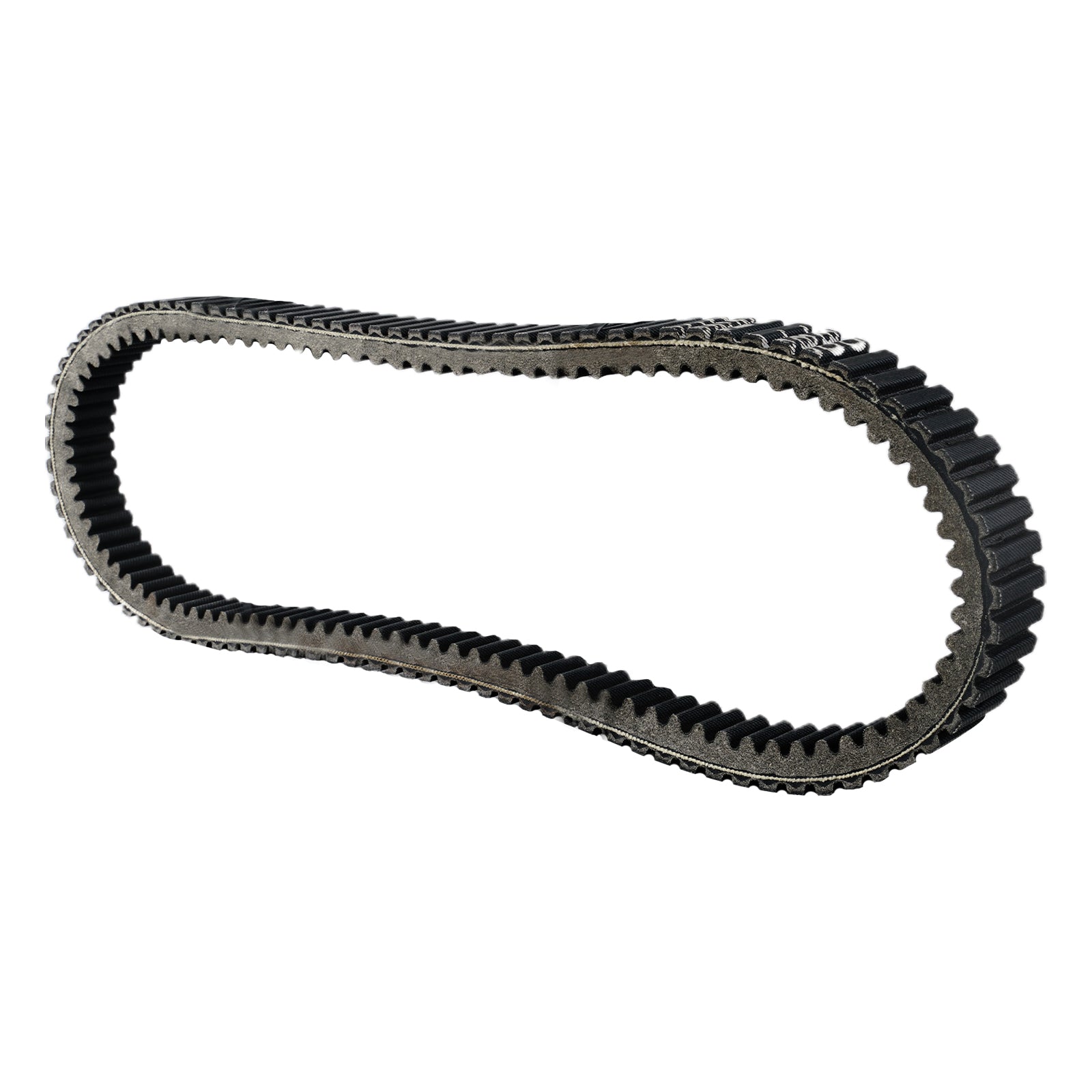
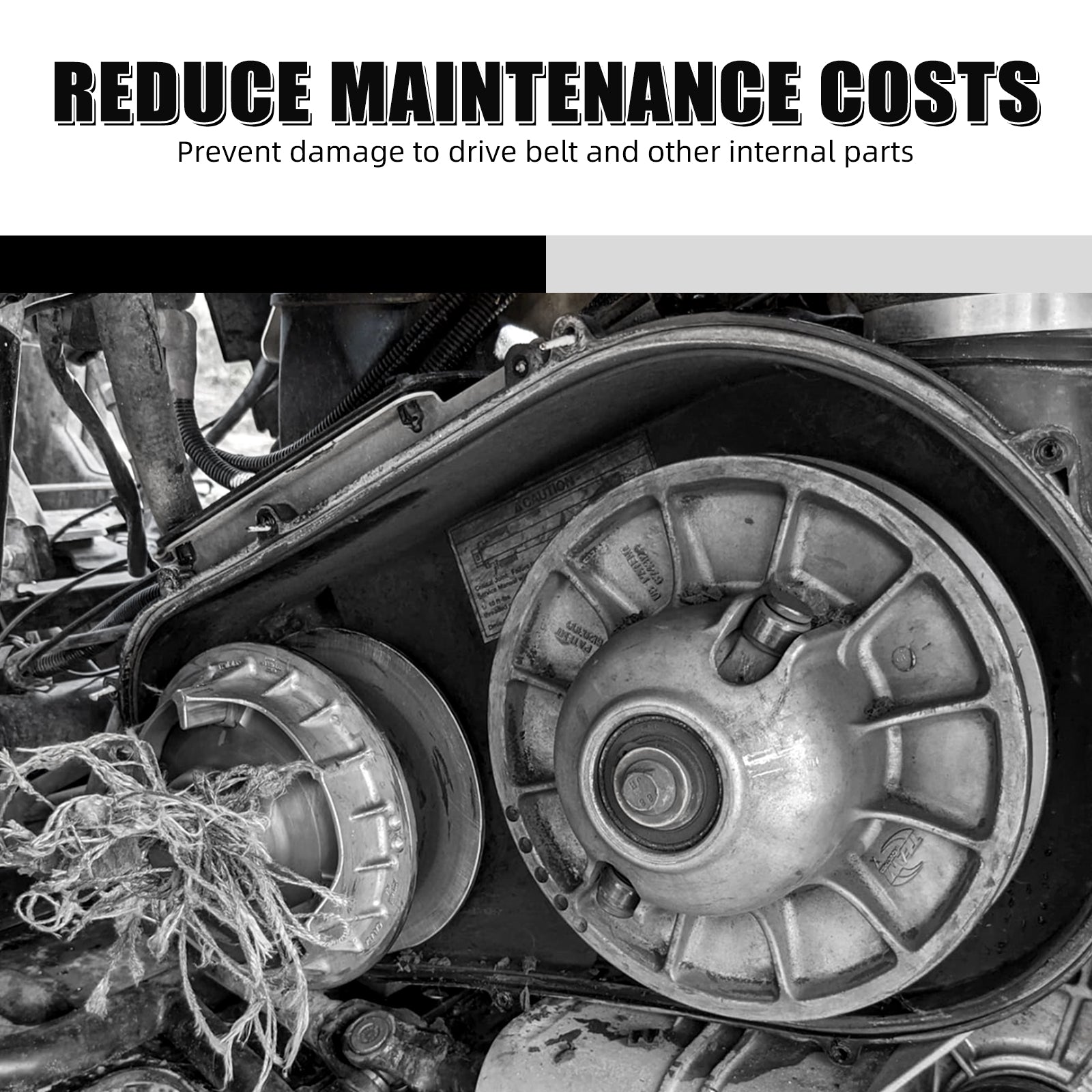
A belt nearing failure usually gives some warning first — a burning smell, visible glazing or cracking, or a noticeable loss of power under load — though on a machine ridden hard in sand or mud, that warning window can be short. Not every replacement belt is built the same: cheaper belts can degrade faster under sustained heat and load than a belt designed for it. A heavy-duty CVT drive belt, like NICECNC's version for the RZR XP / General 1000 and RZR 900, is built to handle sustained heat better than a standard belt, though it's still worth breaking in gradually rather than going straight to full throttle.
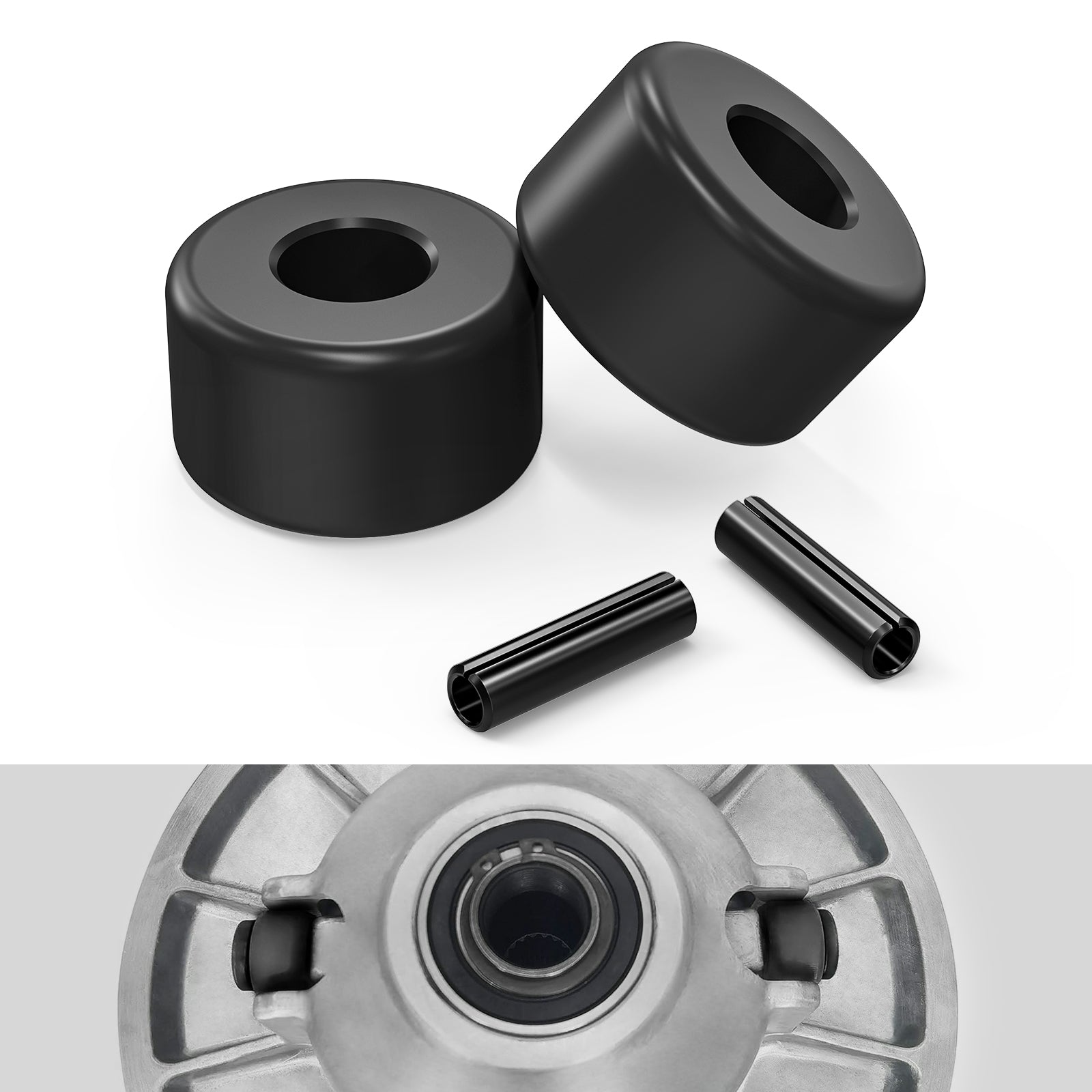
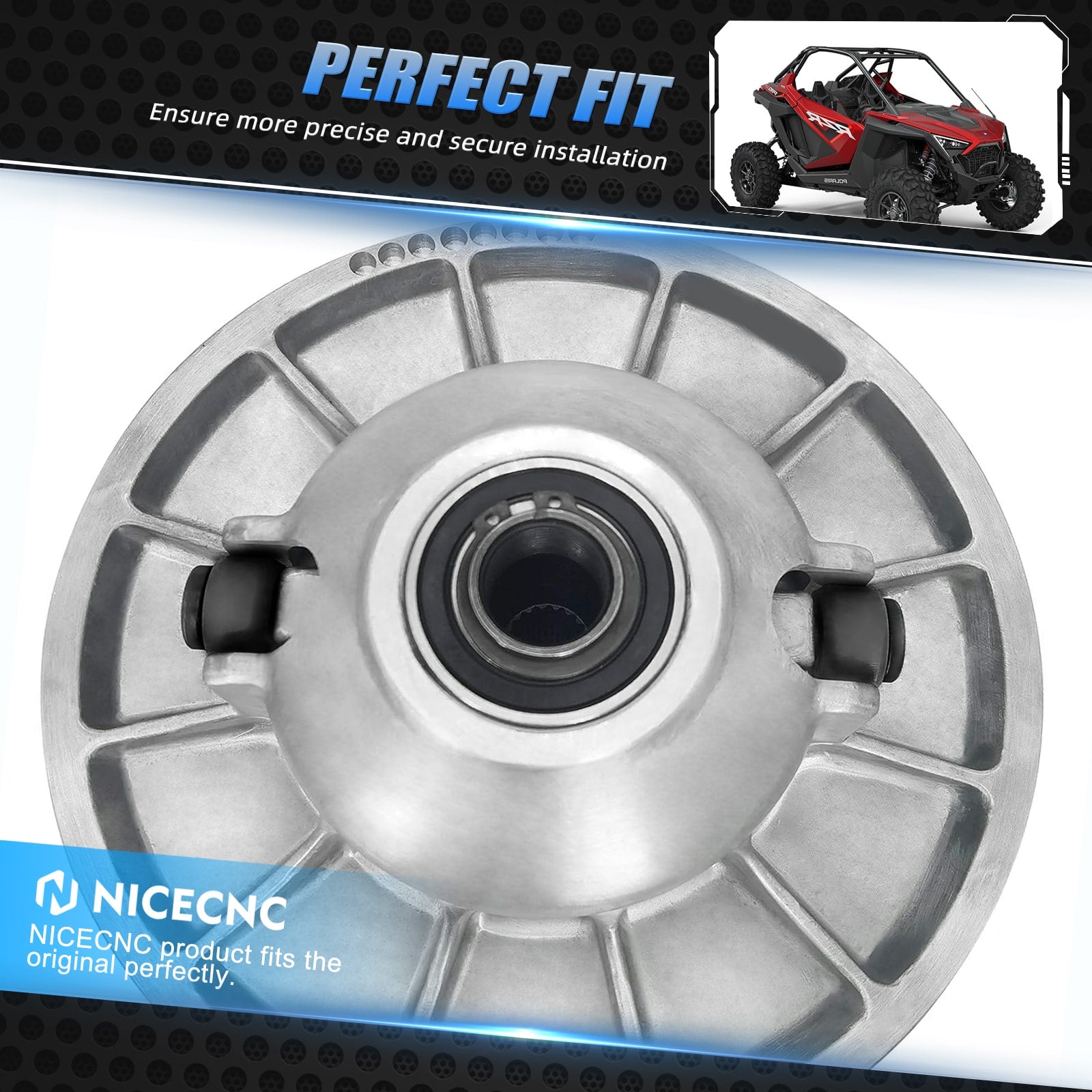
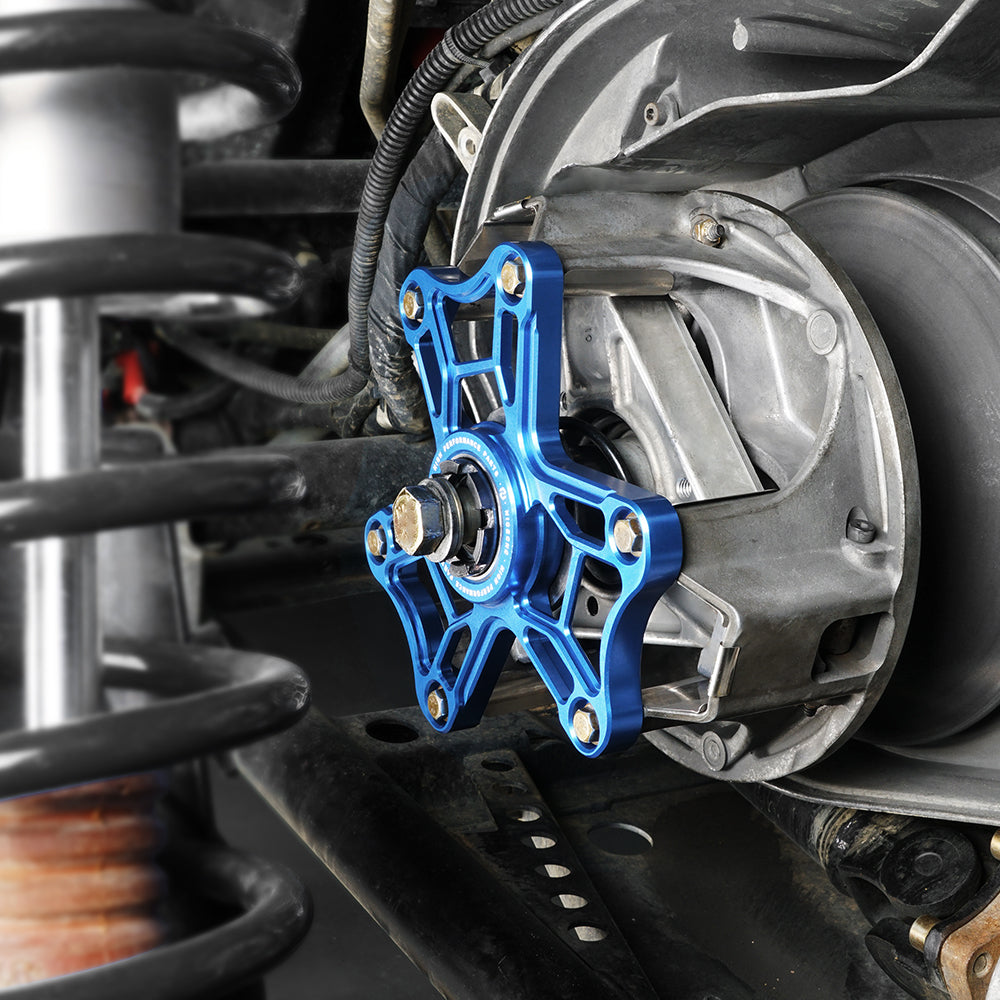
Worn secondary clutch rollers are one of the more common culprits behind rough or binding clutch engagement — as the rollers wear, the sheave doesn't move as smoothly, which throws off belt clamping force and can make acceleration feel jerky or delayed. Riders sometimes replace the belt first and are surprised the same symptoms return within a season. Fresh secondary clutch rollers, such as NICECNC's set for the RZR 800 / 900 / XP 4 1000 and Ranger ACE 570, address the root cause so power delivery smooths back out.
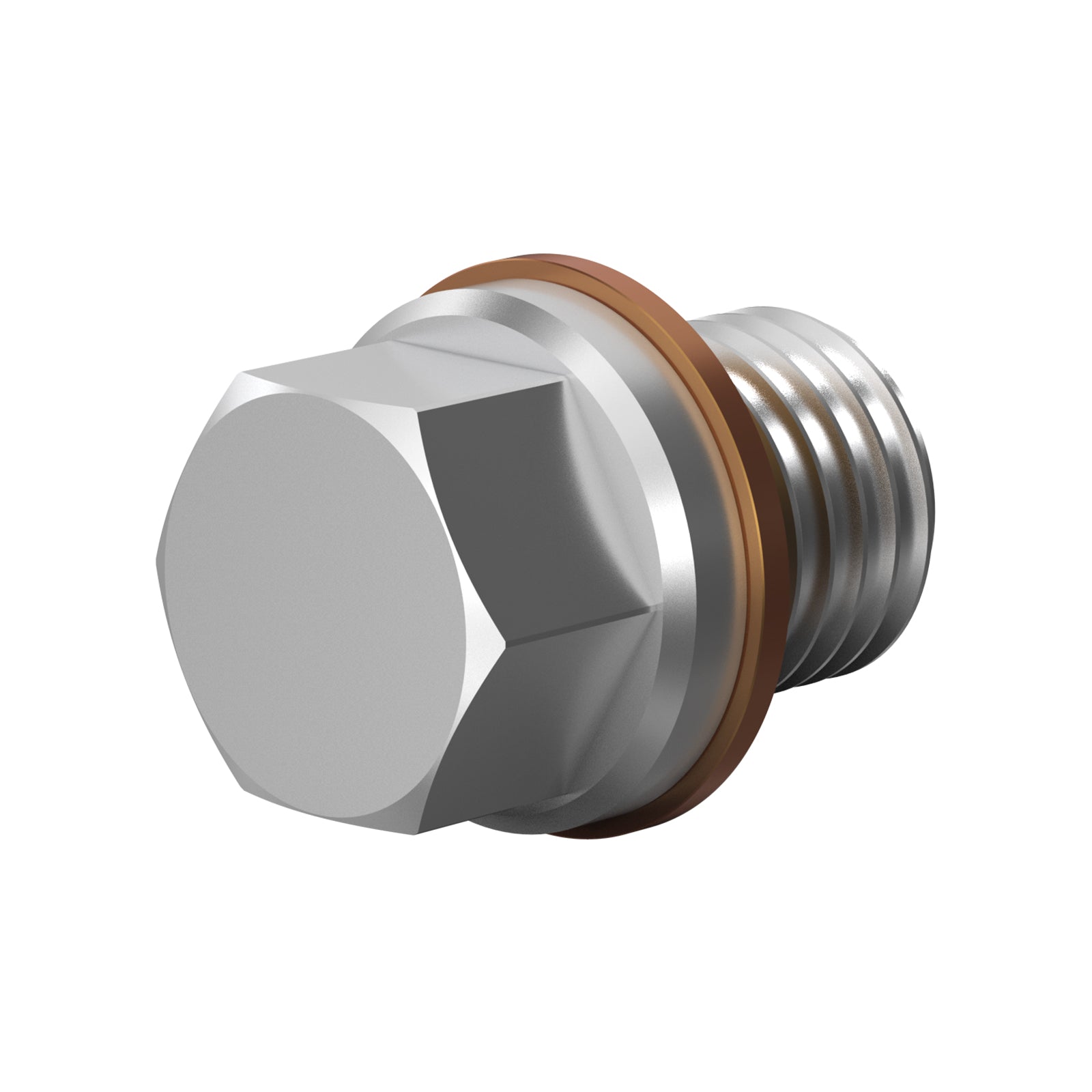
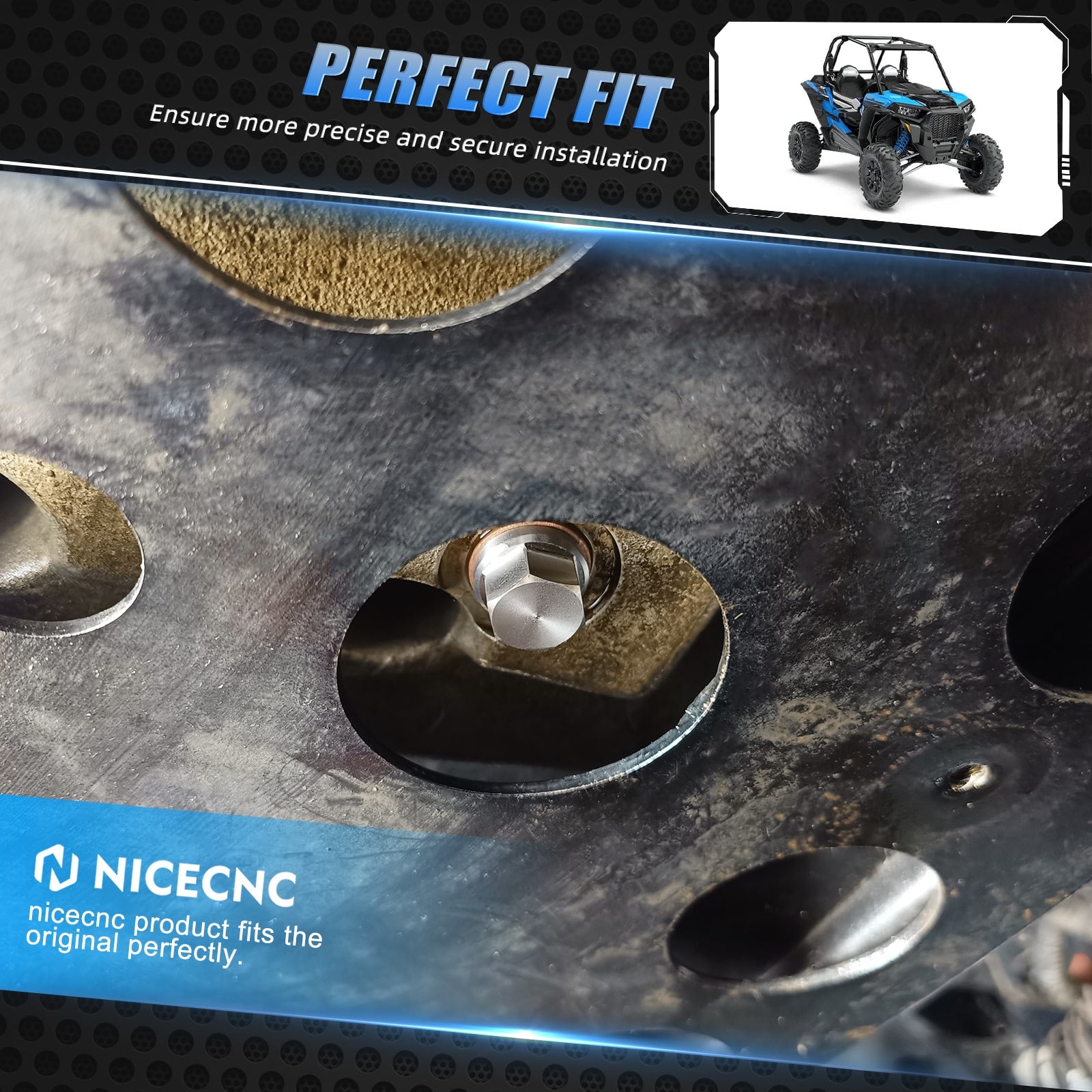
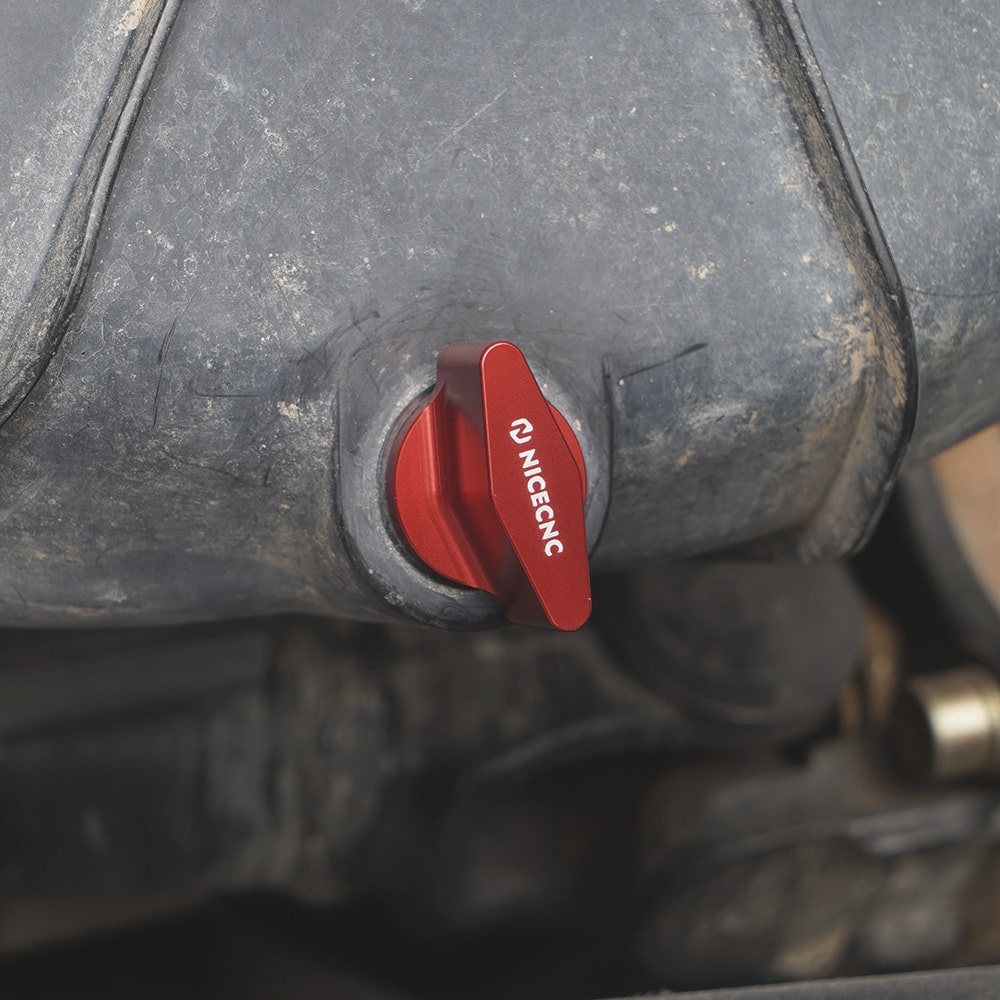
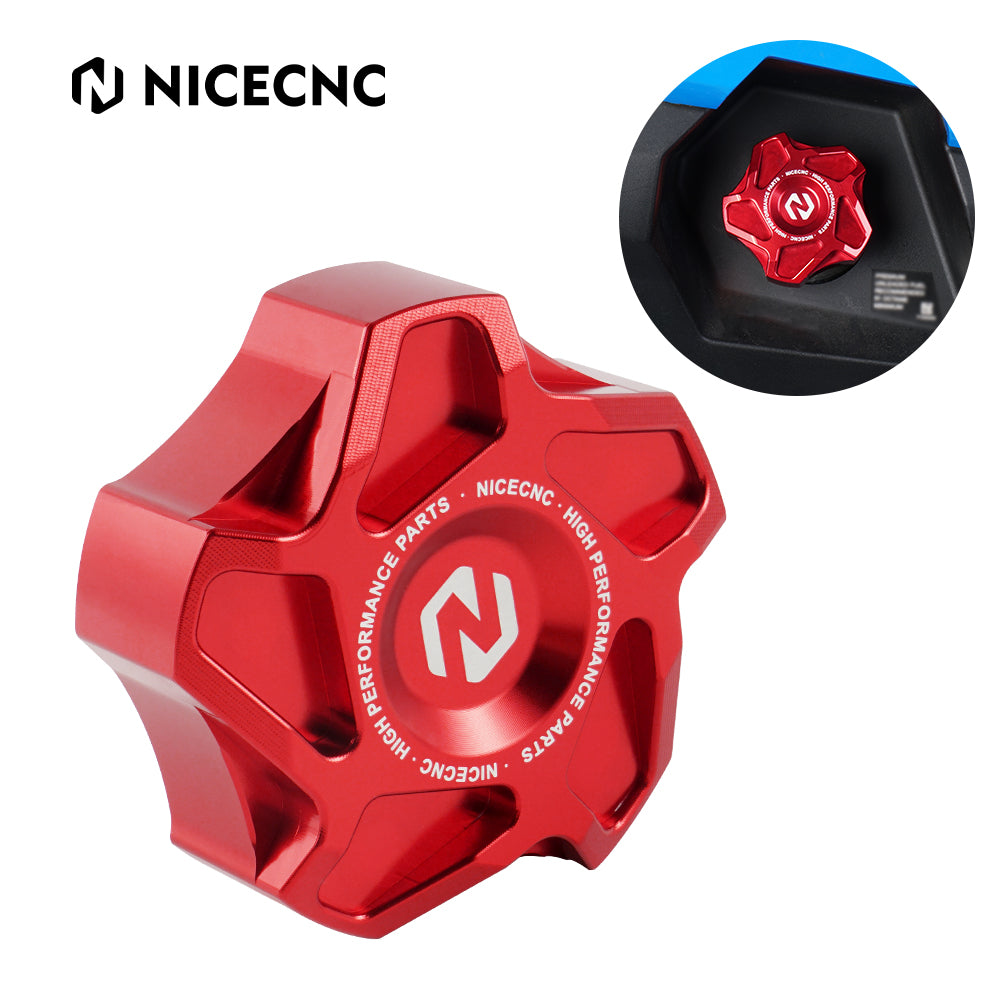
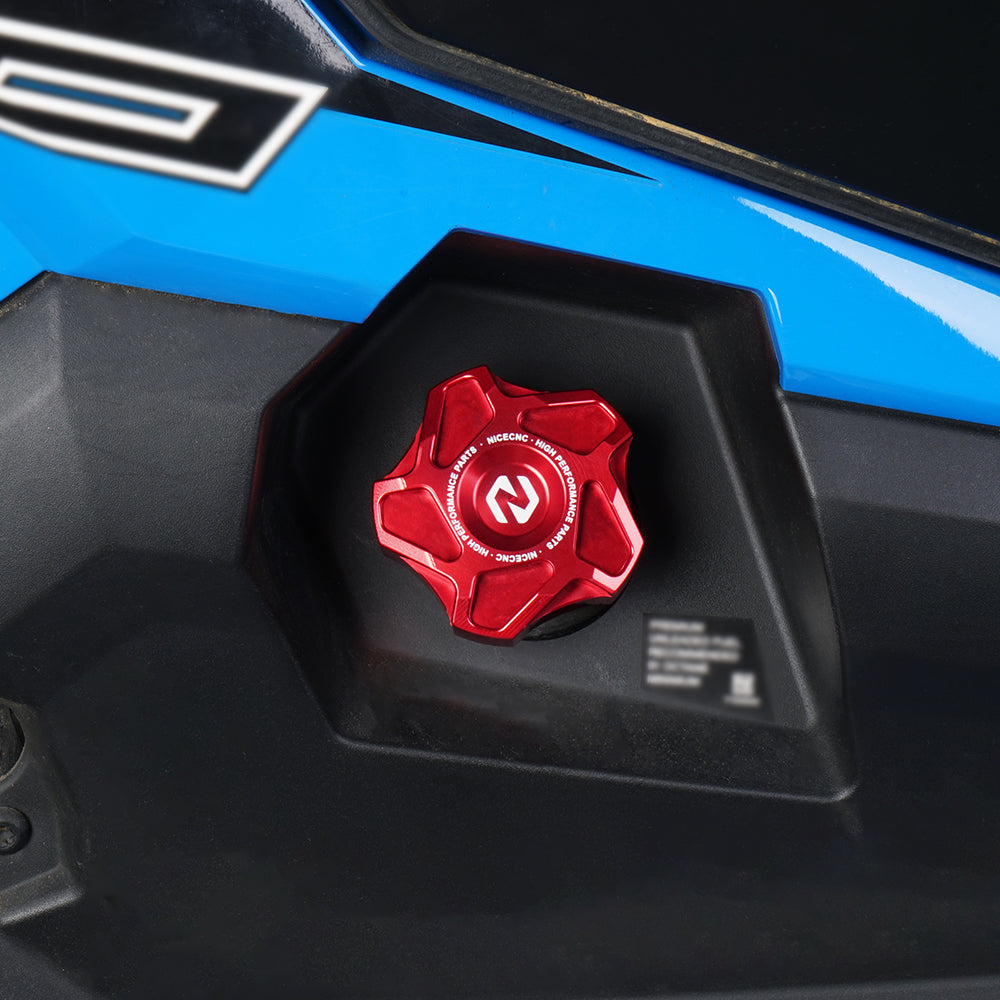
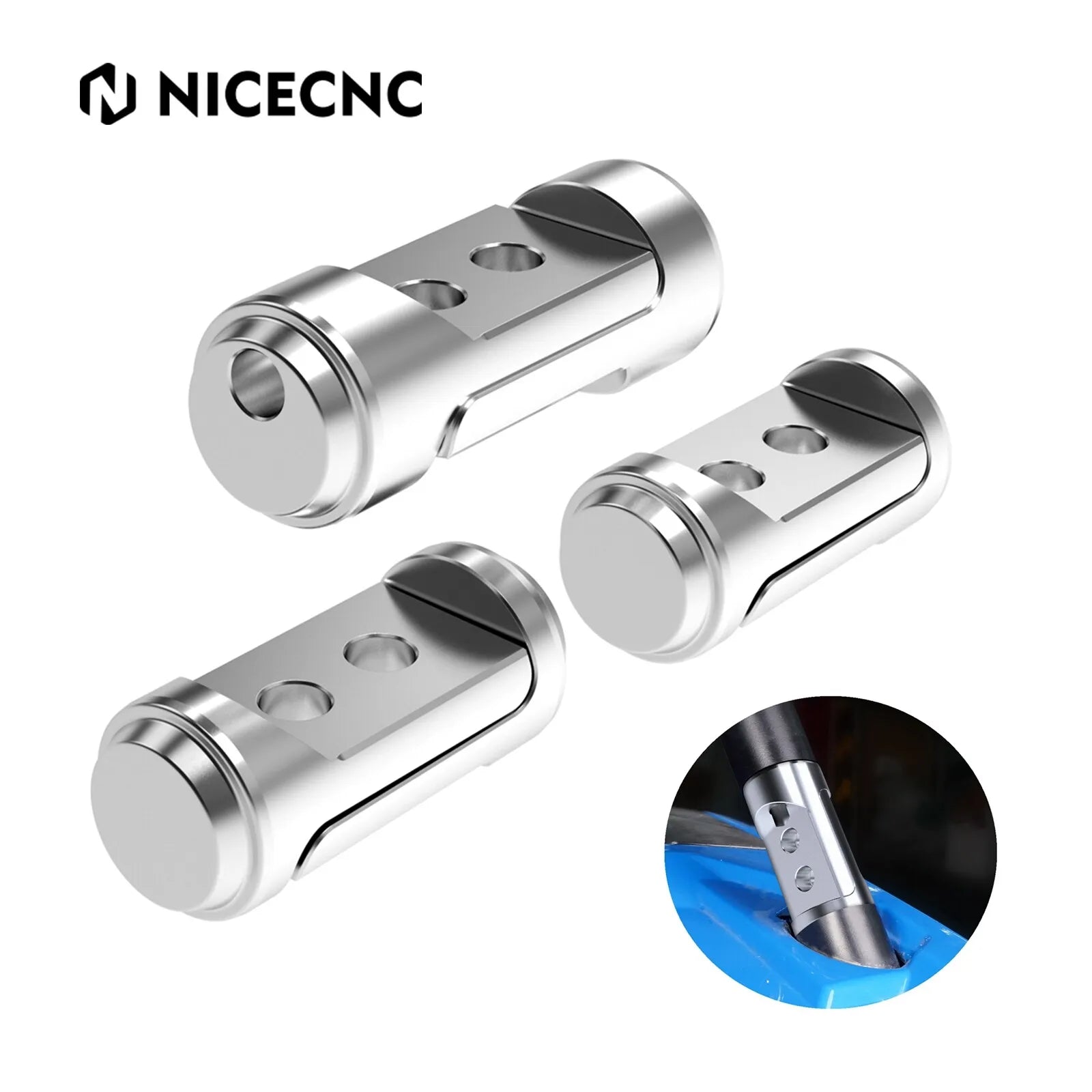
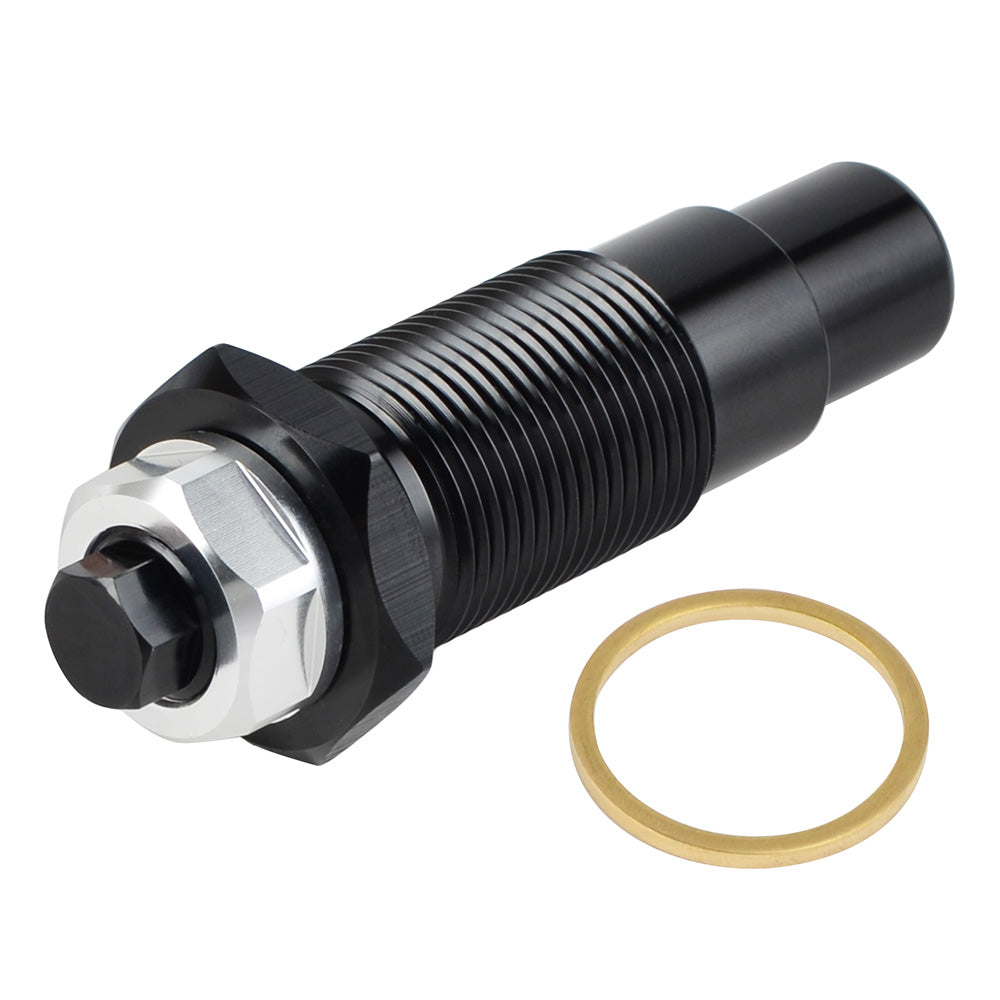
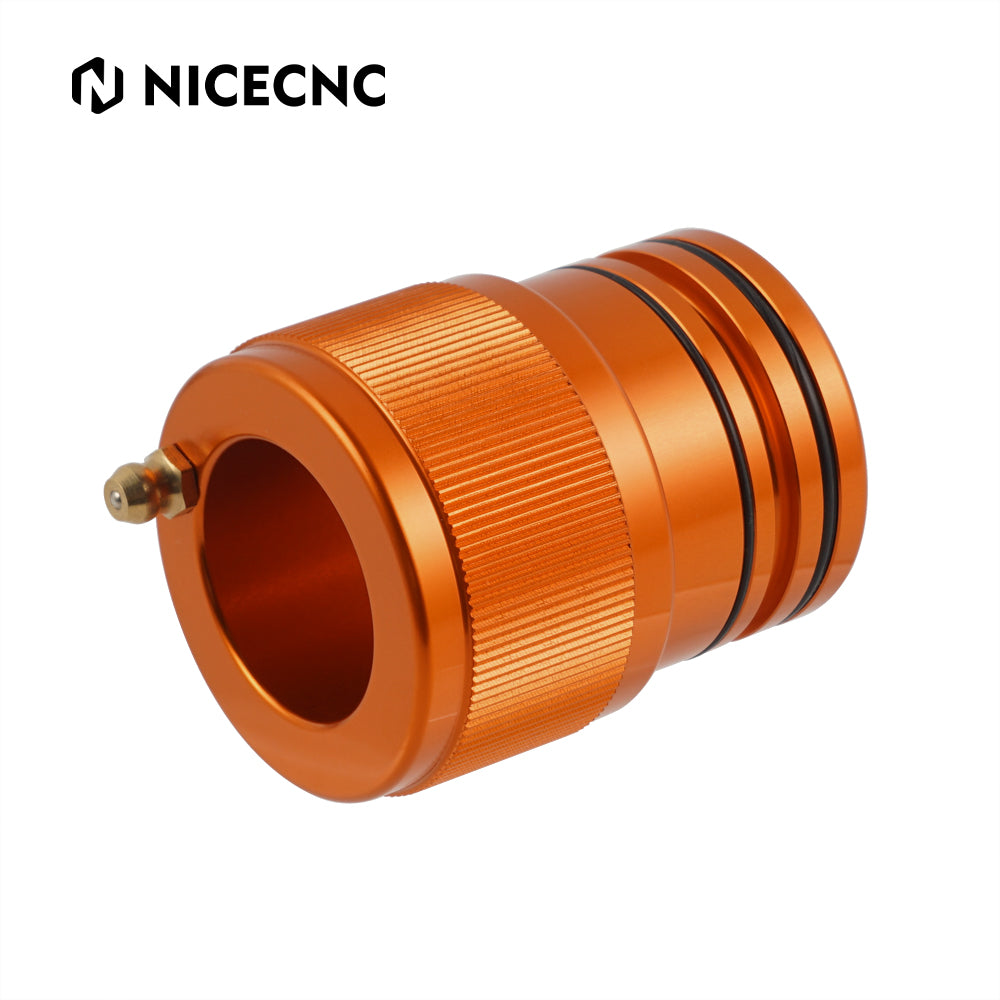
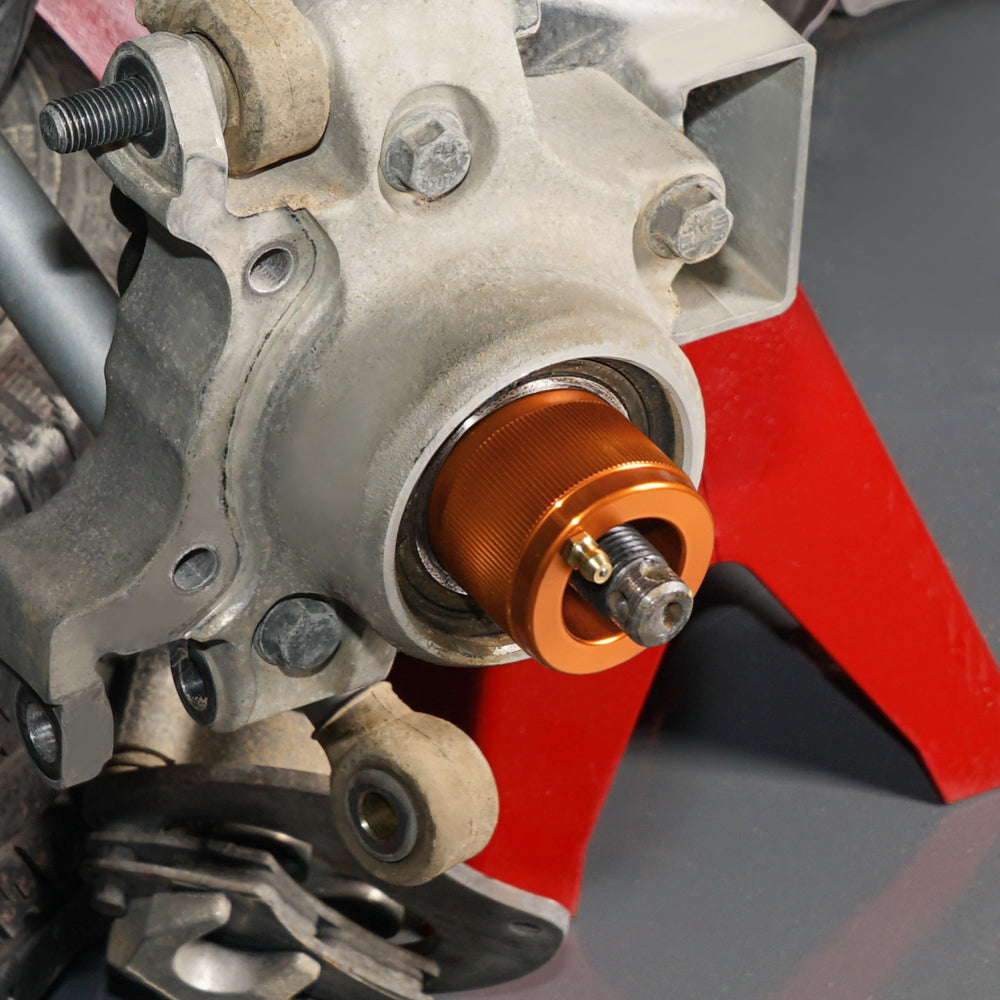
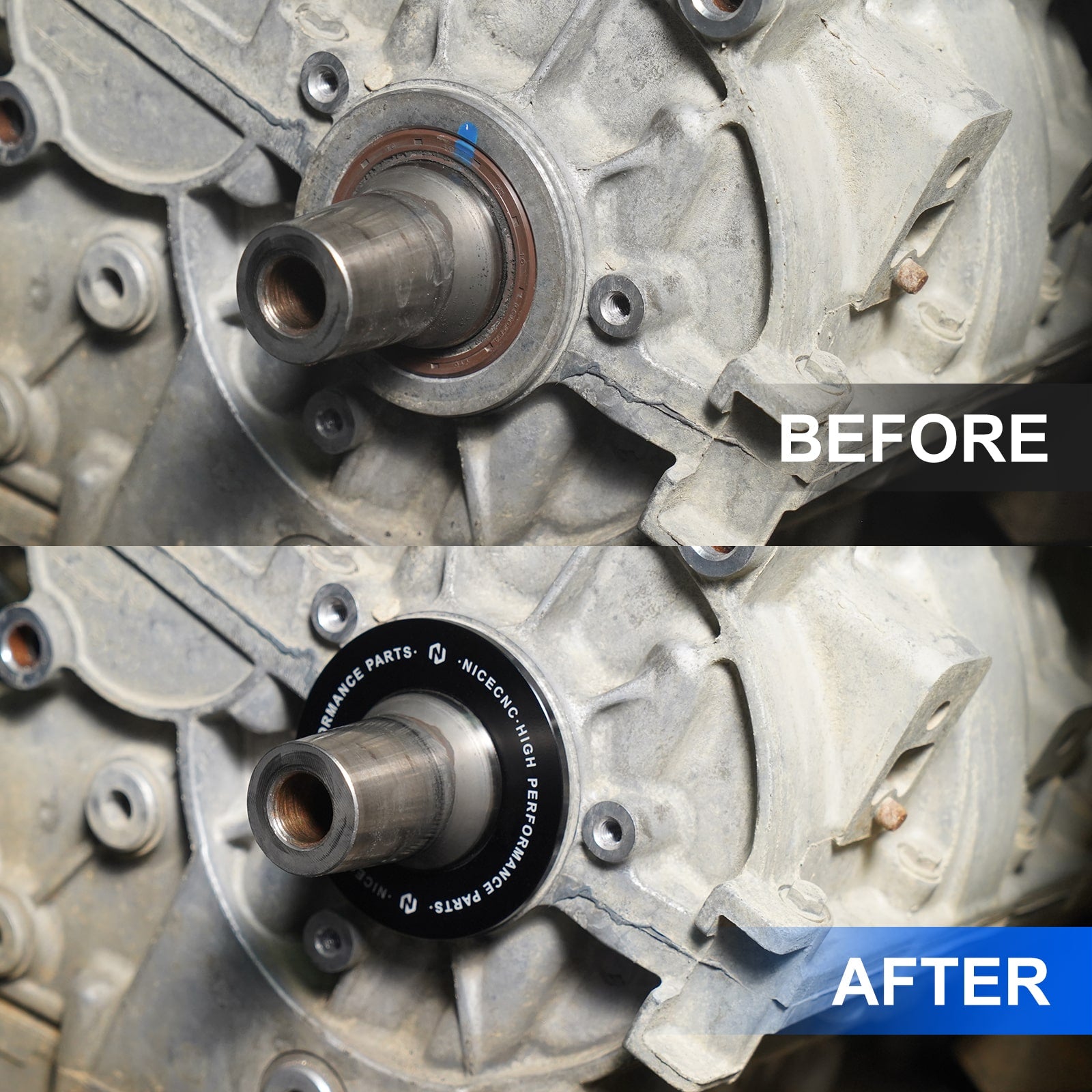
Yes — the factory fill and drain plugs on the transmission and front differential aren't always easy to access quickly, so checking fluid condition after a muddy or wet ride tends to get skipped more than it should, and water or grit intrusion into either system is a real risk after repeated water crossings. Upgraded fill and drain plug kits, like NICECNC's sets for the RZR XP 4 / General 1000 / RZR 570 / 900 (transmission) and RZR XP 4 Turbo / General 1000 (front differential), make it easier to check and service both fluids without fighting worn factory hardware.
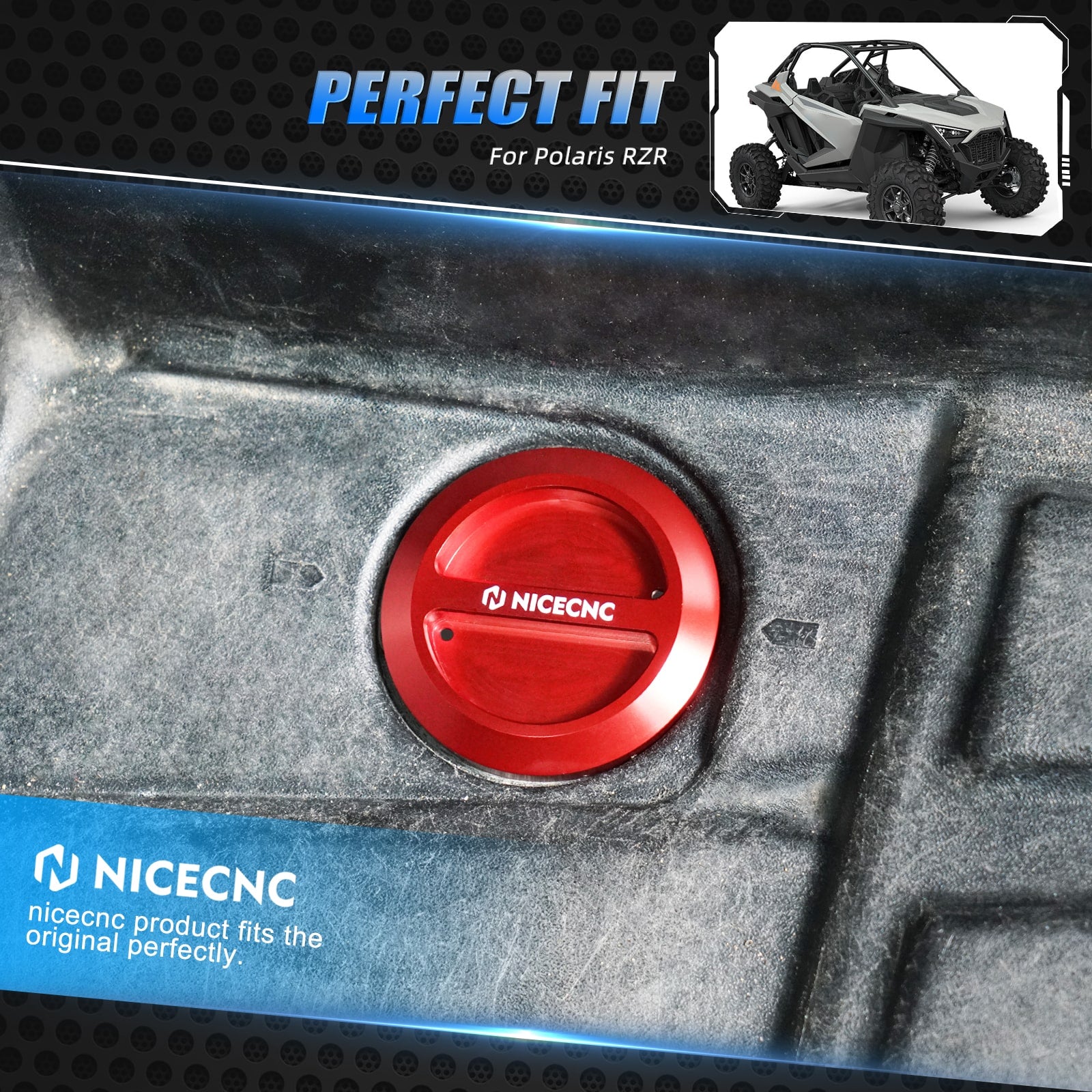
The factory floor drain plugs work, but on a machine that regularly sees mud pits or water crossings, they can be slow to fully clear standing water, and a floor that stays damp between rides accelerates rust on exposed metal components underneath. Upgraded twist floor drain plugs, such as NICECNC's version for the RZR XP 4 900 and General 1000, are designed for quicker, more thorough draining after a muddy or wet trail day.
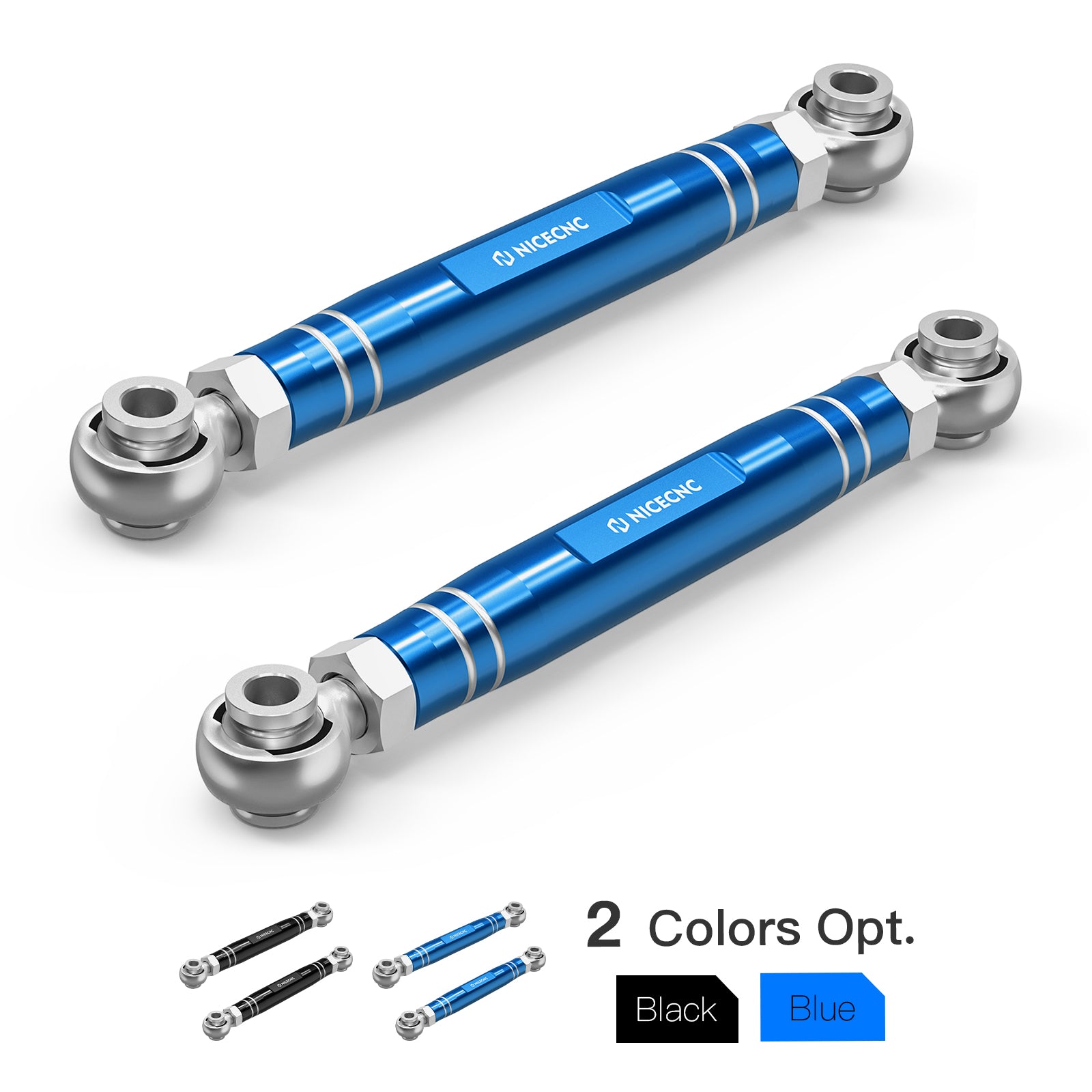
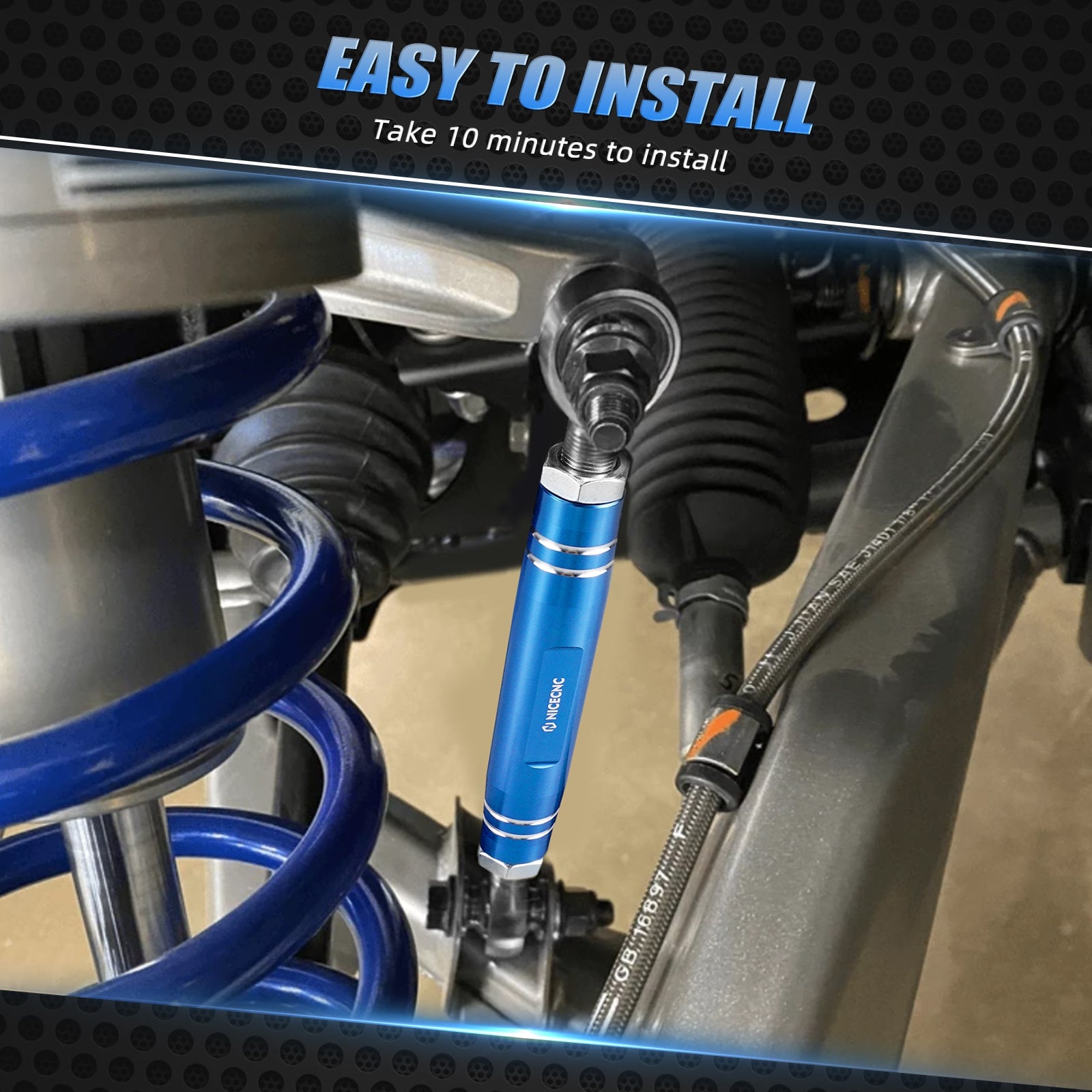
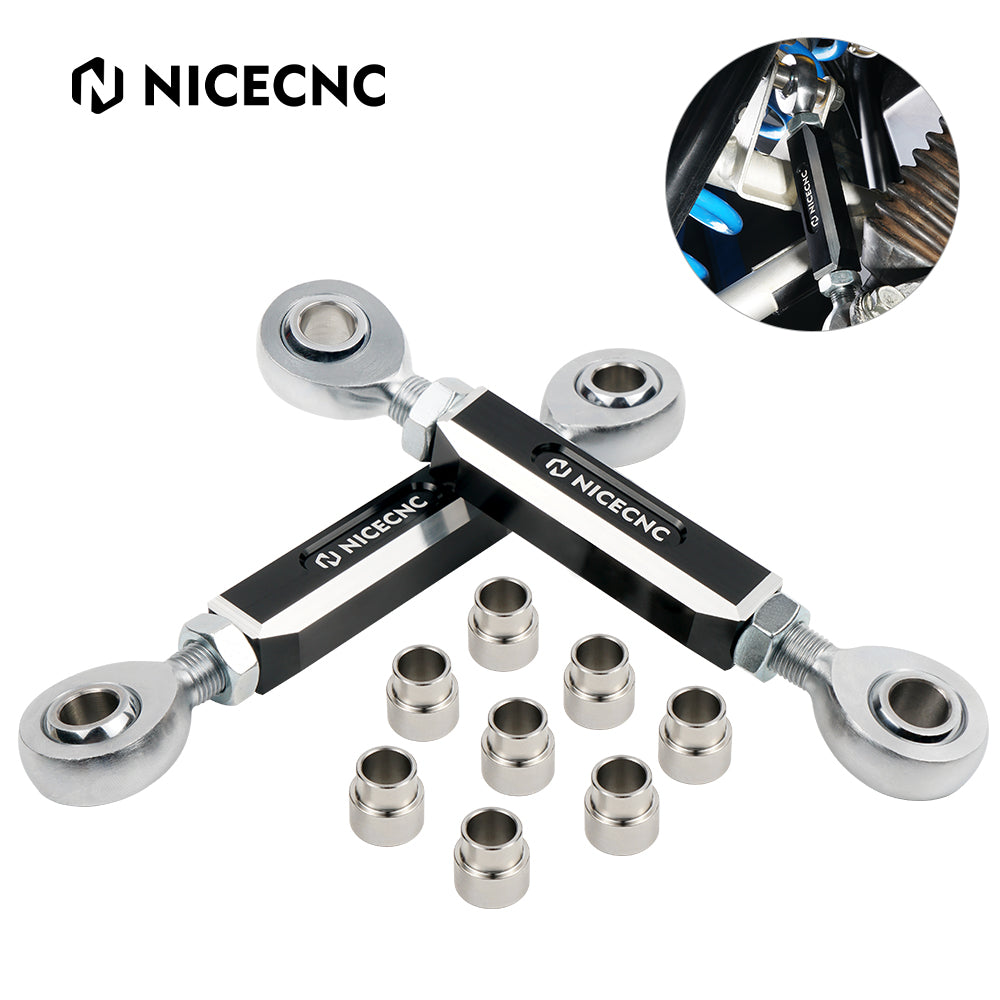
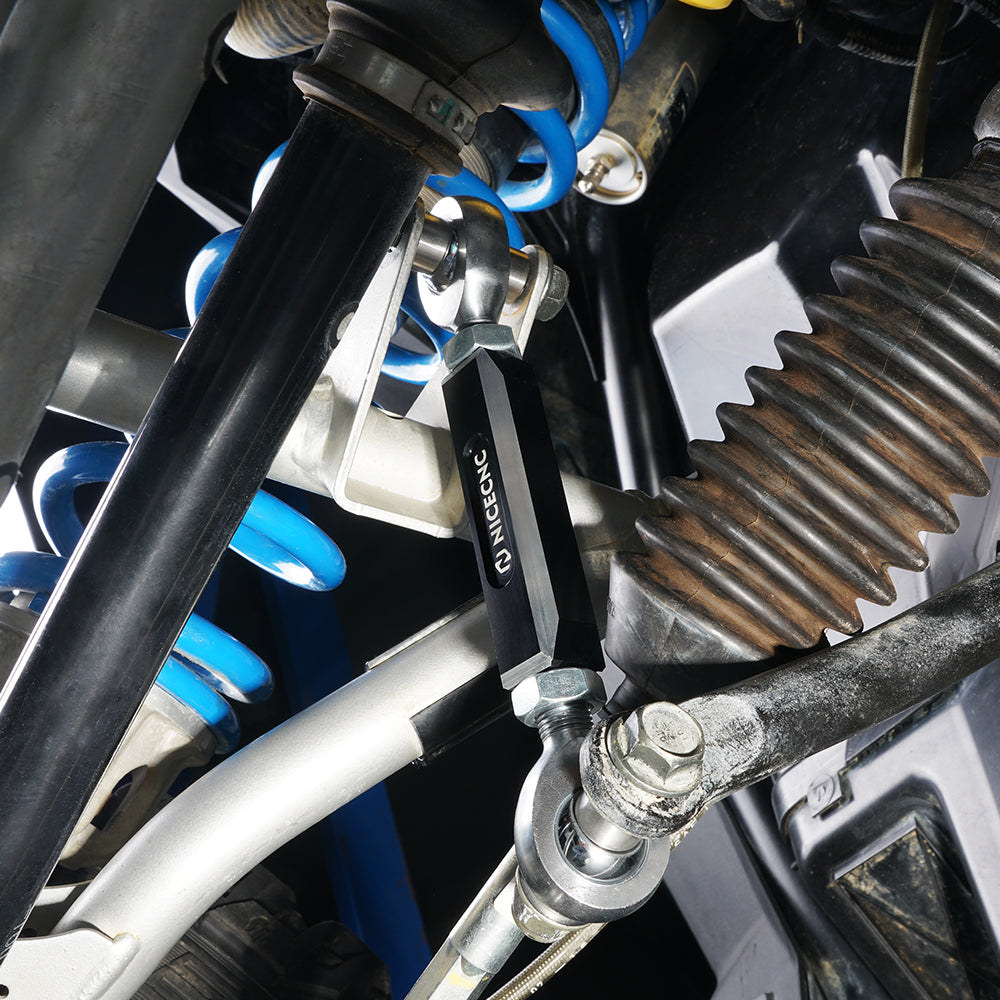
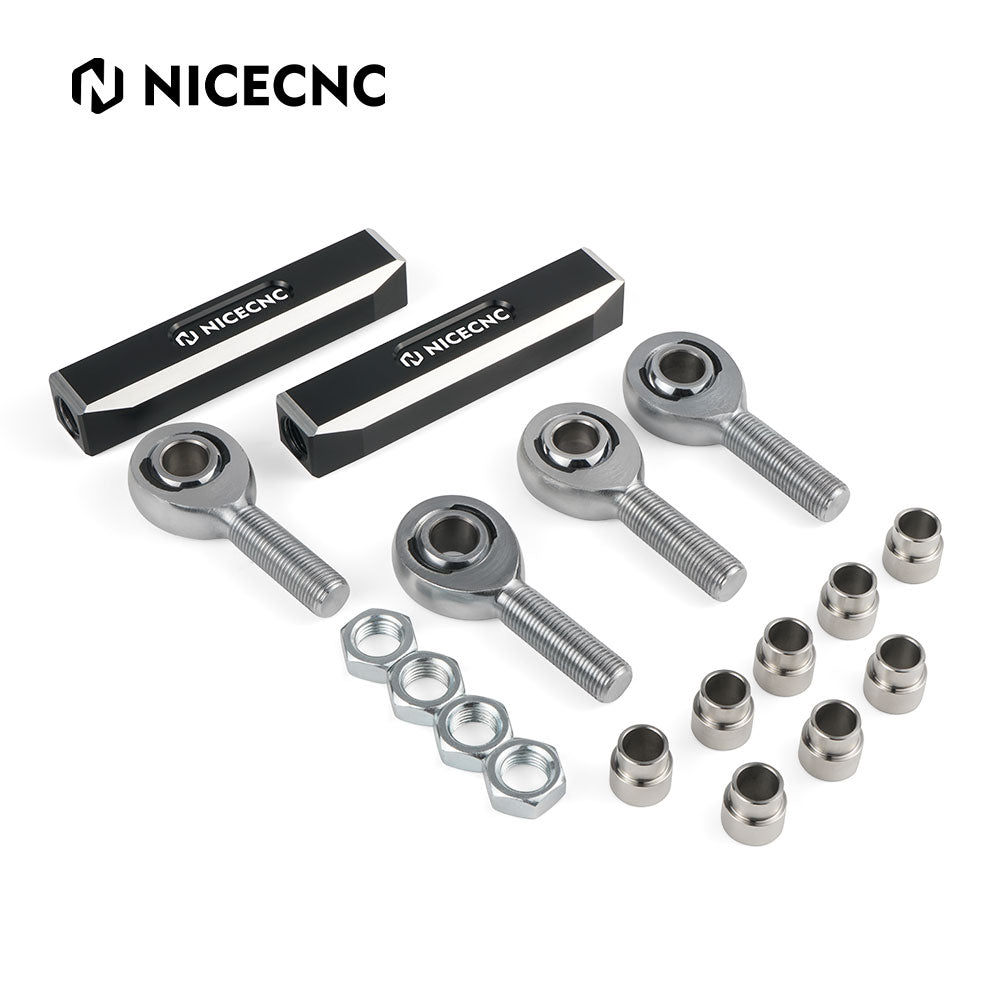
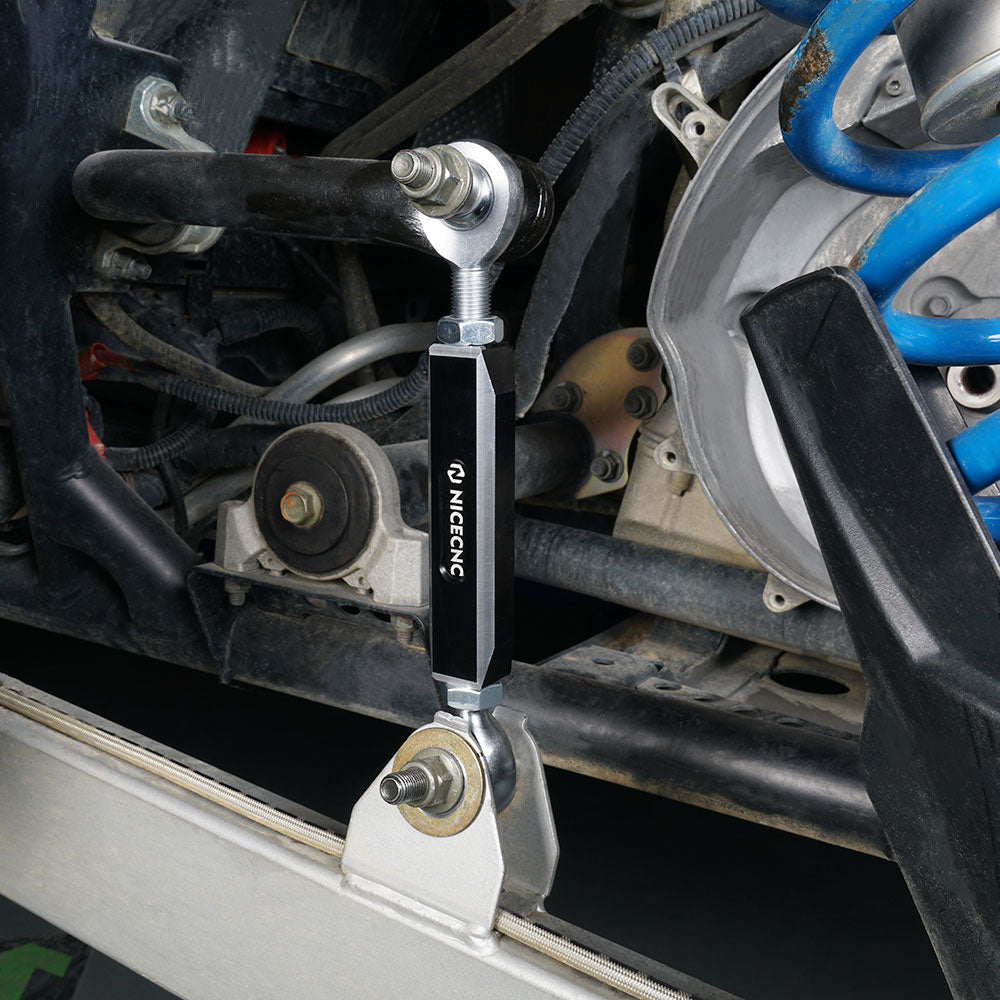
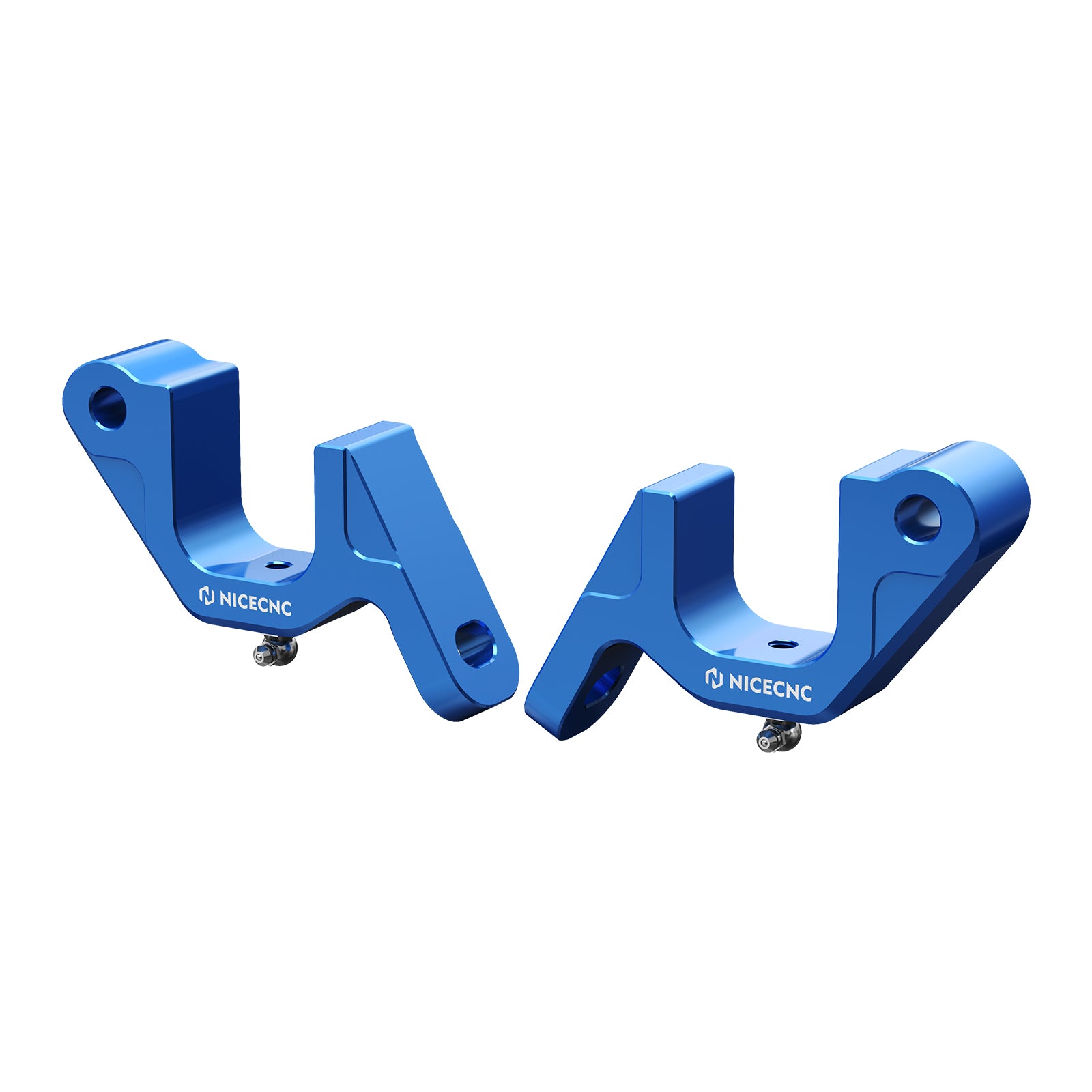
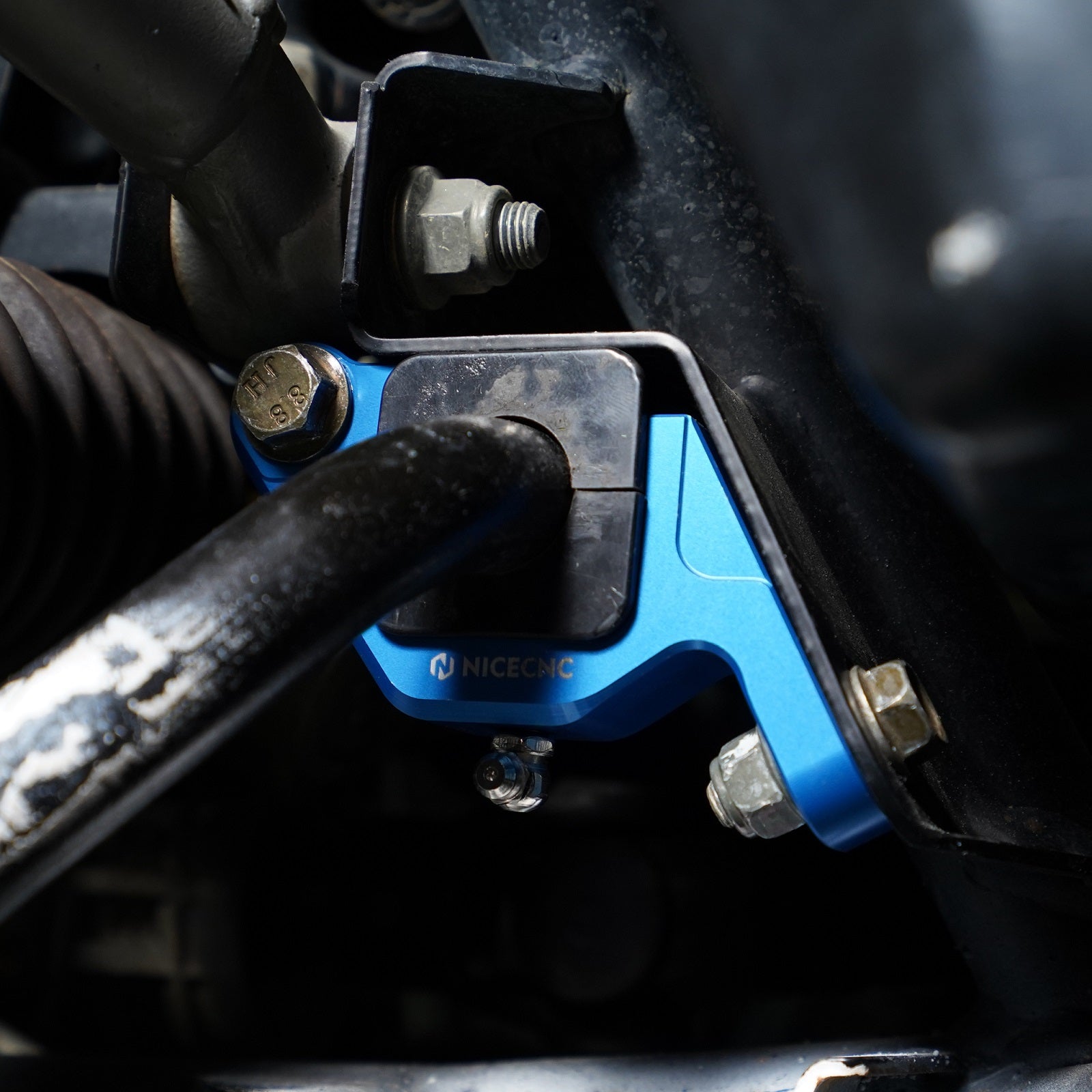
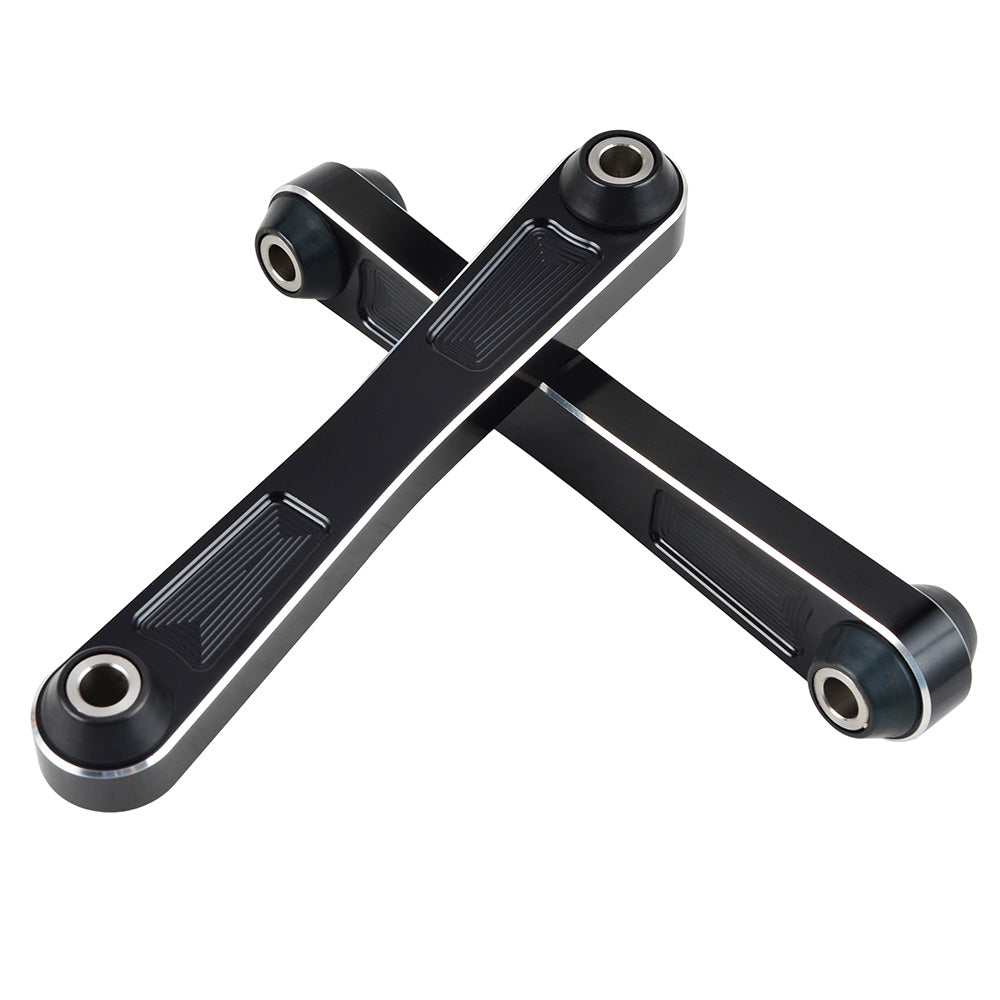
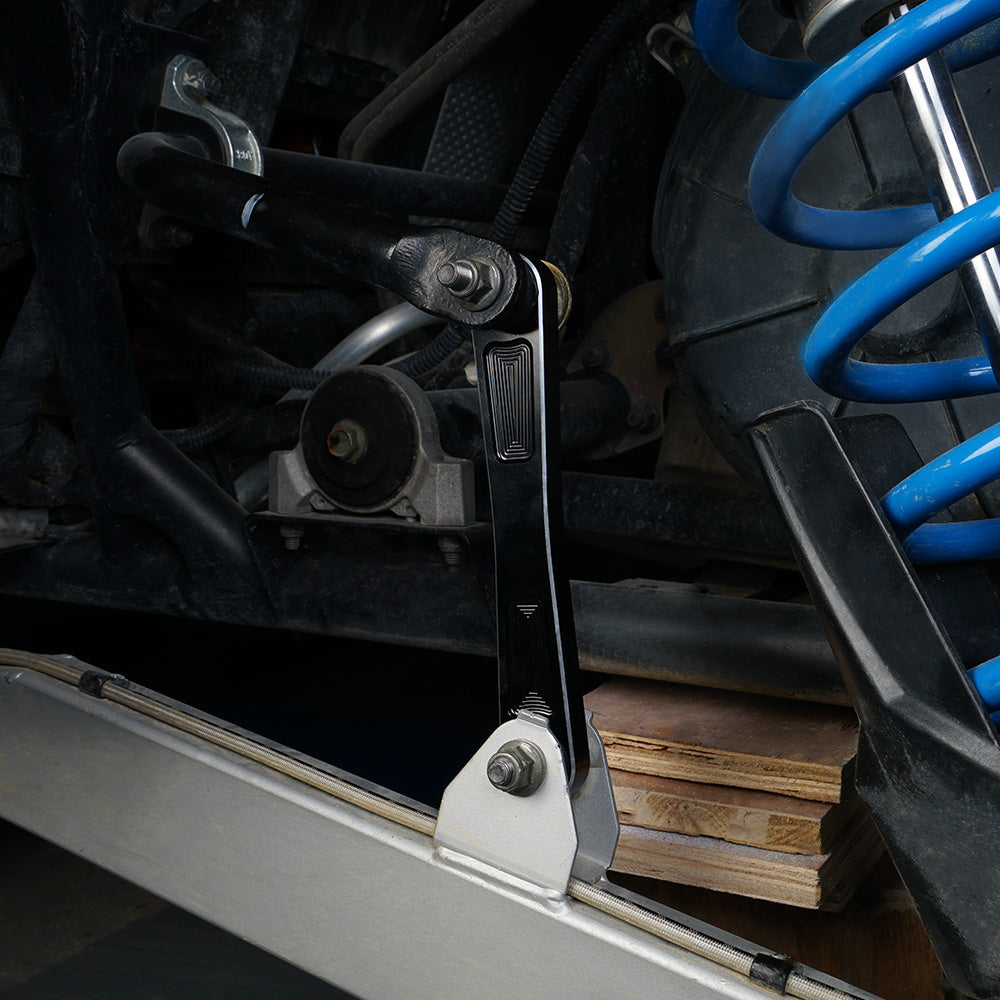
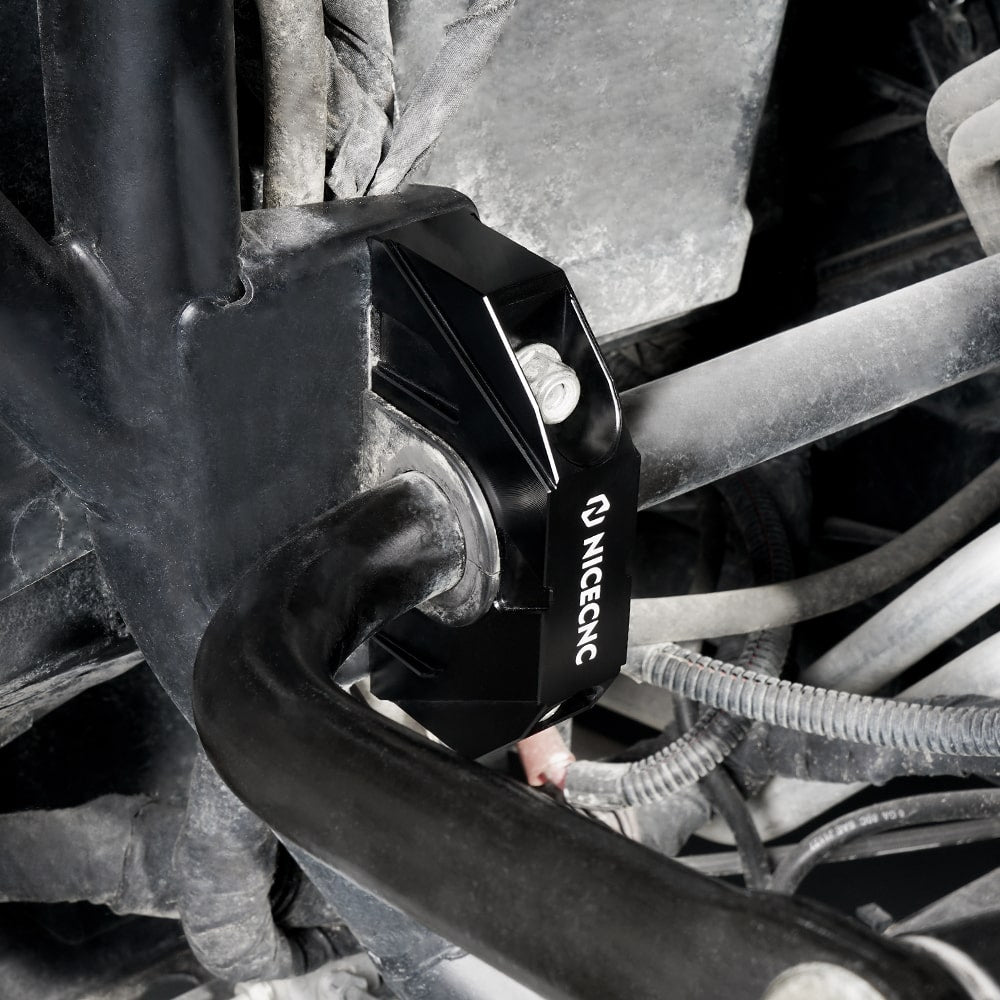
Body roll in hard cornering is partly a function of the factory sway bar's stiffness, and riders running bigger tires, added weight, or pushing corner speed harder than stock often feel more lean than they'd like even with otherwise healthy shocks. A stiffer front sway bar link is a more targeted fix than a full suspension upgrade. NICECNC's anti-roll front sway bar stabilizer link kit for the RZR XP 4 1000 / General 1000 tightens that connection for flatter cornering without touching the rest of the suspension.