





























FAQ
Reliability & Maintenance
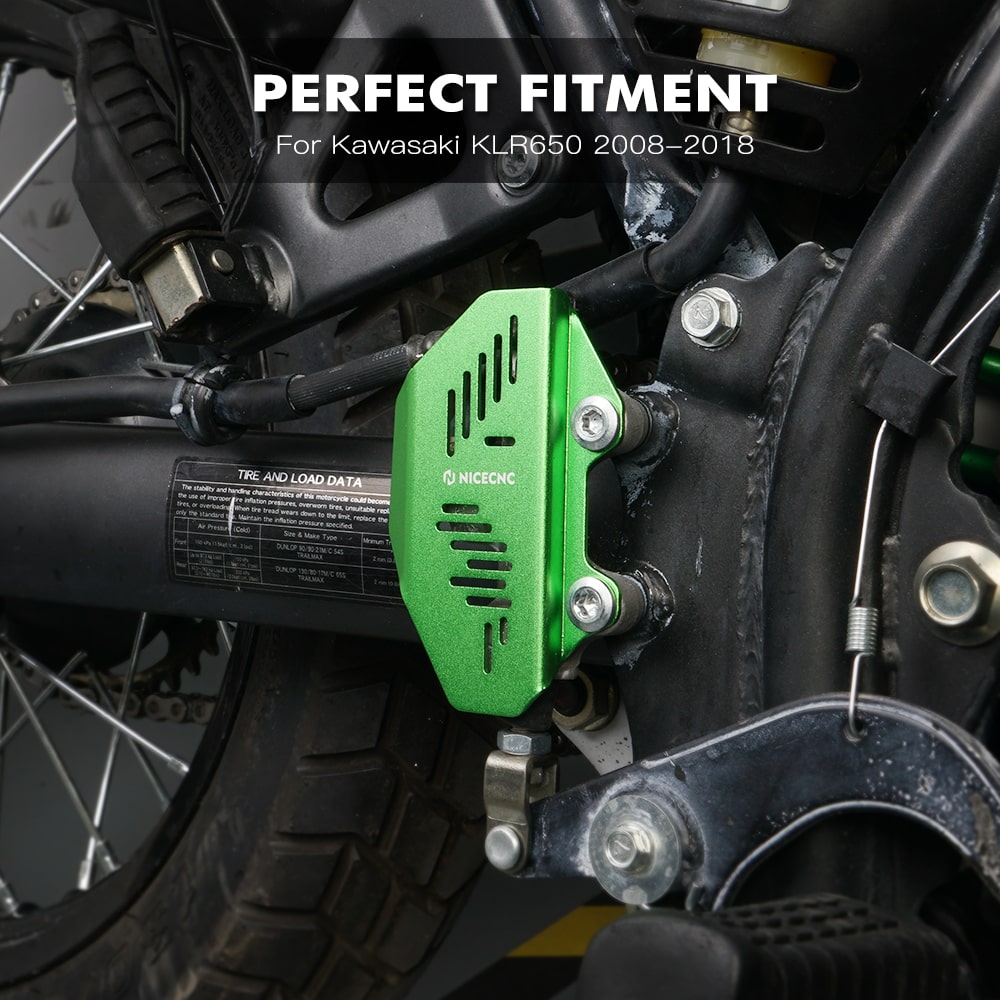
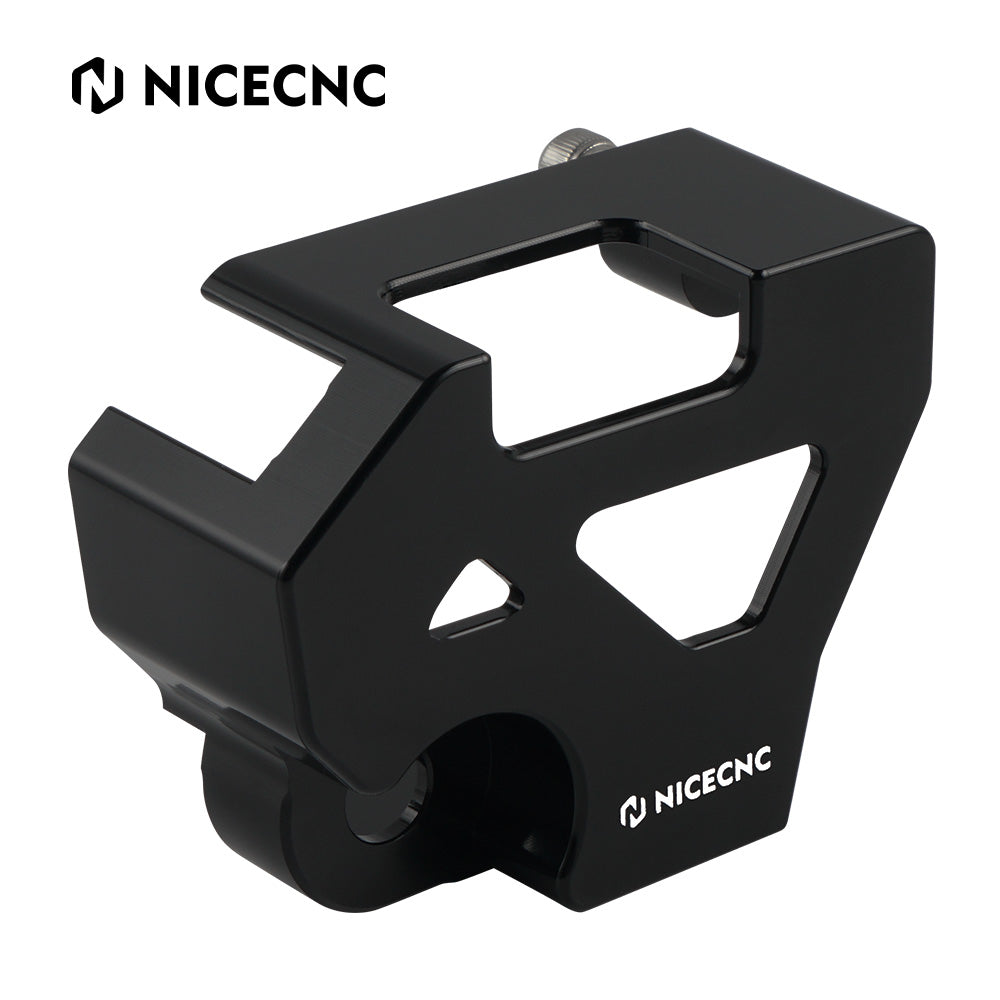
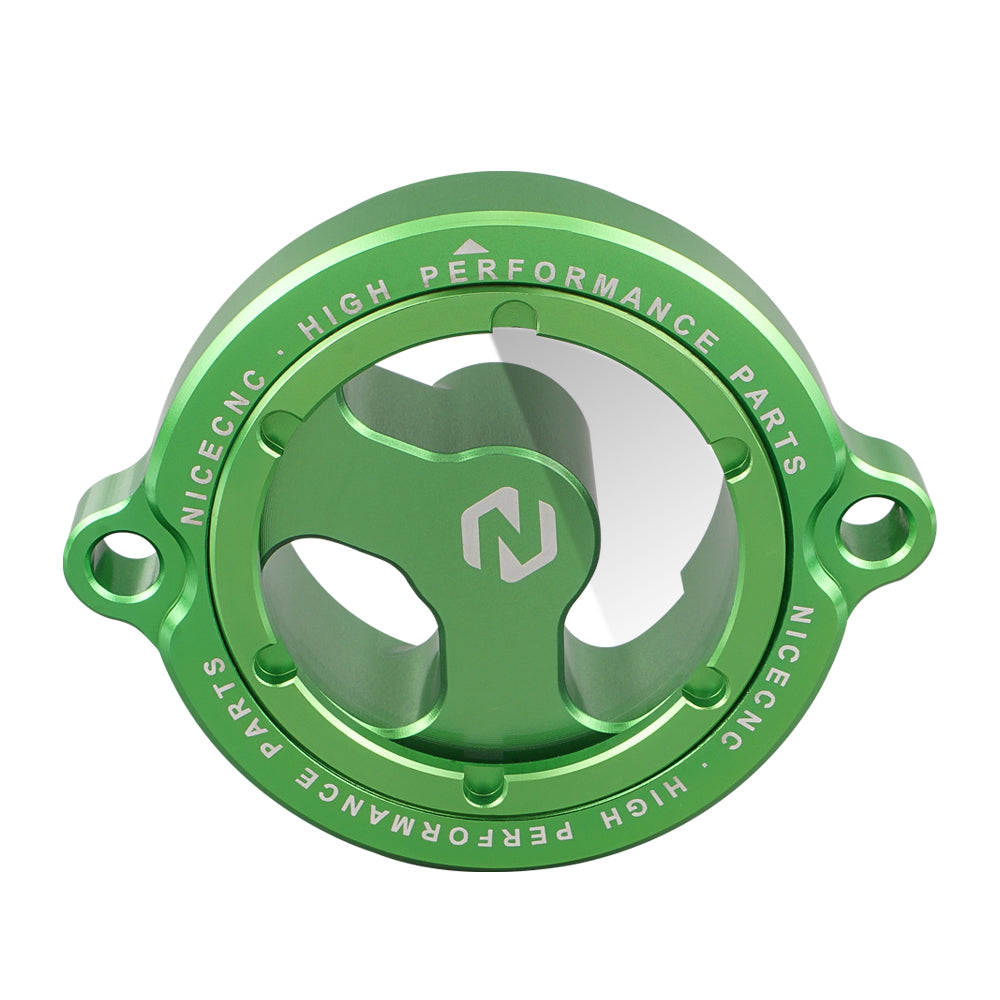
It's a well-known quirk on the platform: the factory fuse box sits exposed near the frame in a spot that takes a lot of vibration over the miles, and the fuse connections can work loose or corrode over time, leading to intermittent electrical gremlins that are especially frustrating mid-trip, far from a dealer. It's not a defect so much as a known weak point riders have learned to address proactively. A fuse box guard cover, like Nicecnc's protector for the KLR650 (2008-2018), shields the connections from vibration and debris so a long-distance trip doesn't get derailed by a loose fuse.
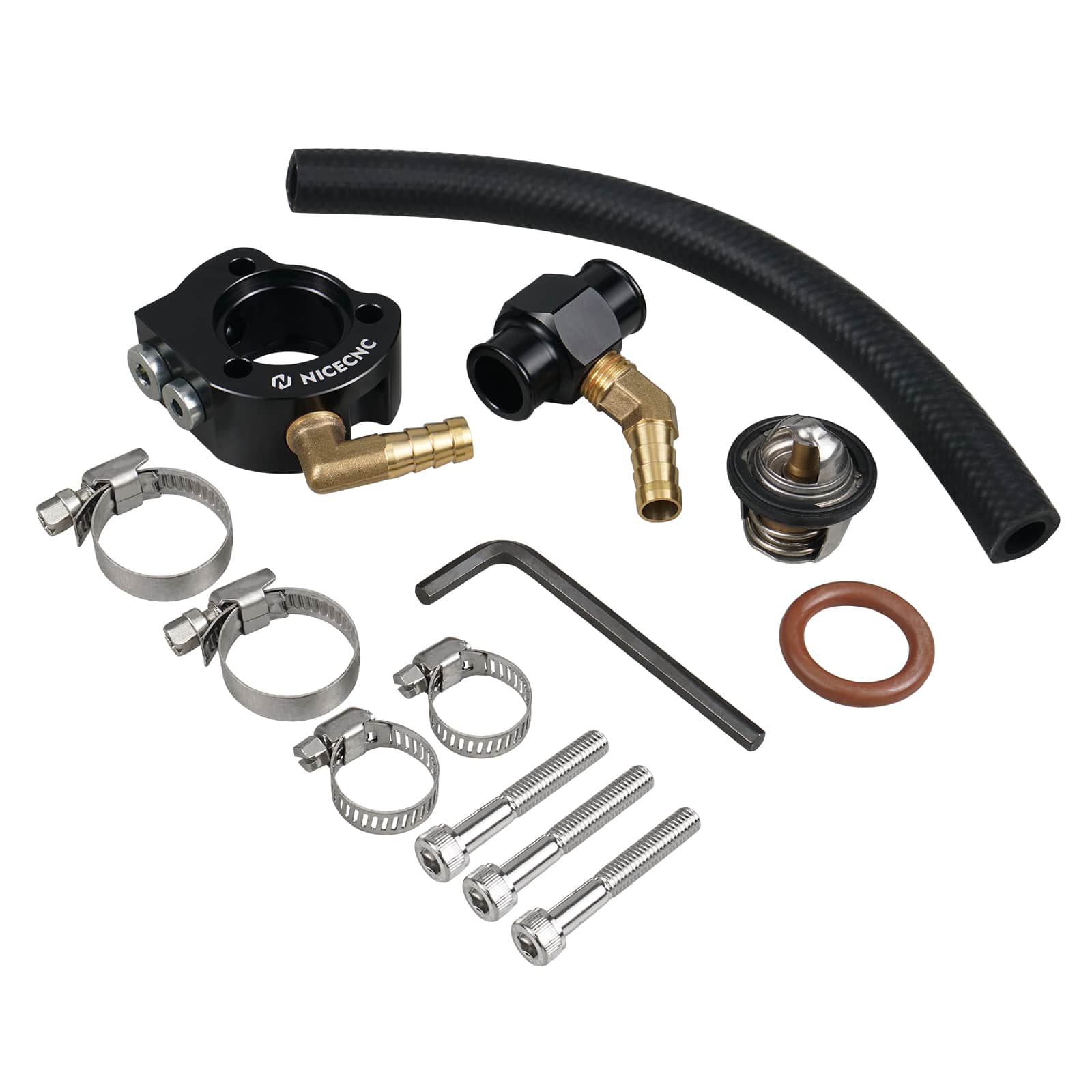
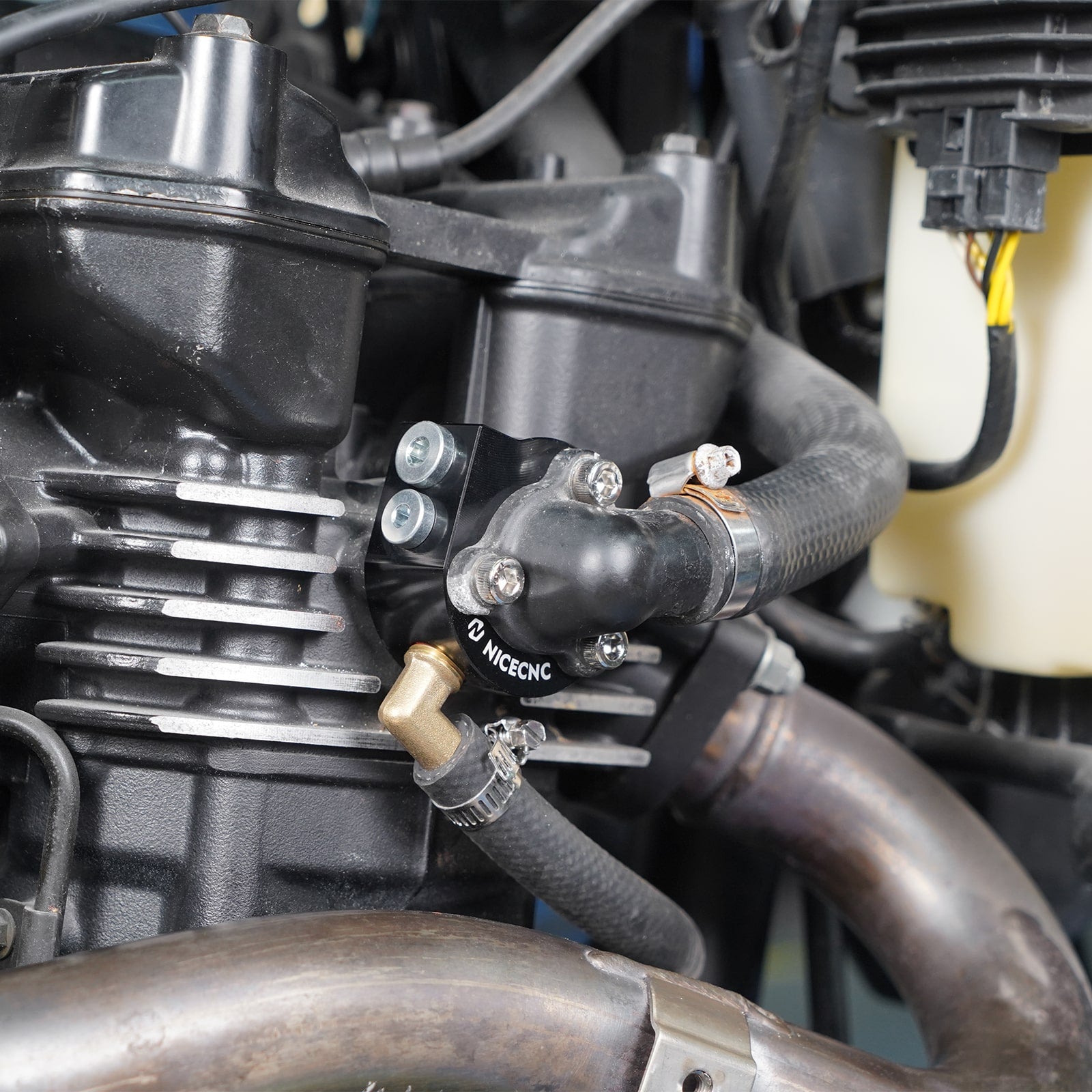
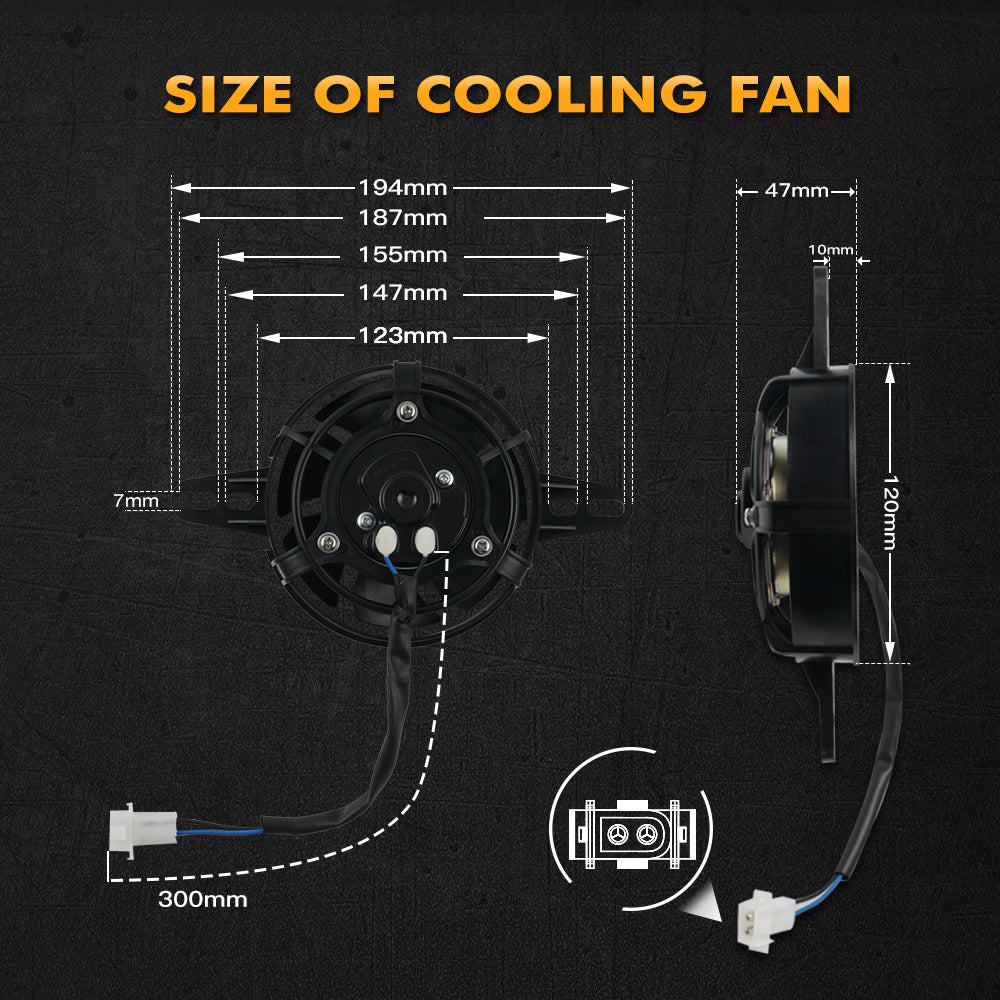
It's a well-documented quirk of the platform: the factory cooling system on the KLR650 can actually overcool the engine in ambient temperatures below about 80°F, since the thermostat doesn't restrict coolant flow enough at lower temps — which means slower warm-ups, and over the long run, running cooler than the engine's optimal operating range isn't ideal for wear or efficiency. Riders on multi-day trips through varying climates notice this the most. A cooling system modification kit with an external, adjustable thermostat, like NICECNC's kit for the KLR650 (1987-2024), lets you dial in a bypass setup that keeps the engine closer to its optimal ~195°F operating temperature — worth noting that the 2022+ "New Gen" KLR650 doesn't come with a factory coolant temperature gauge, so pairing this kit with a separate digital temp gauge (it includes a port for one) is the only way to actually monitor the result.
Touring & Loaded Stability
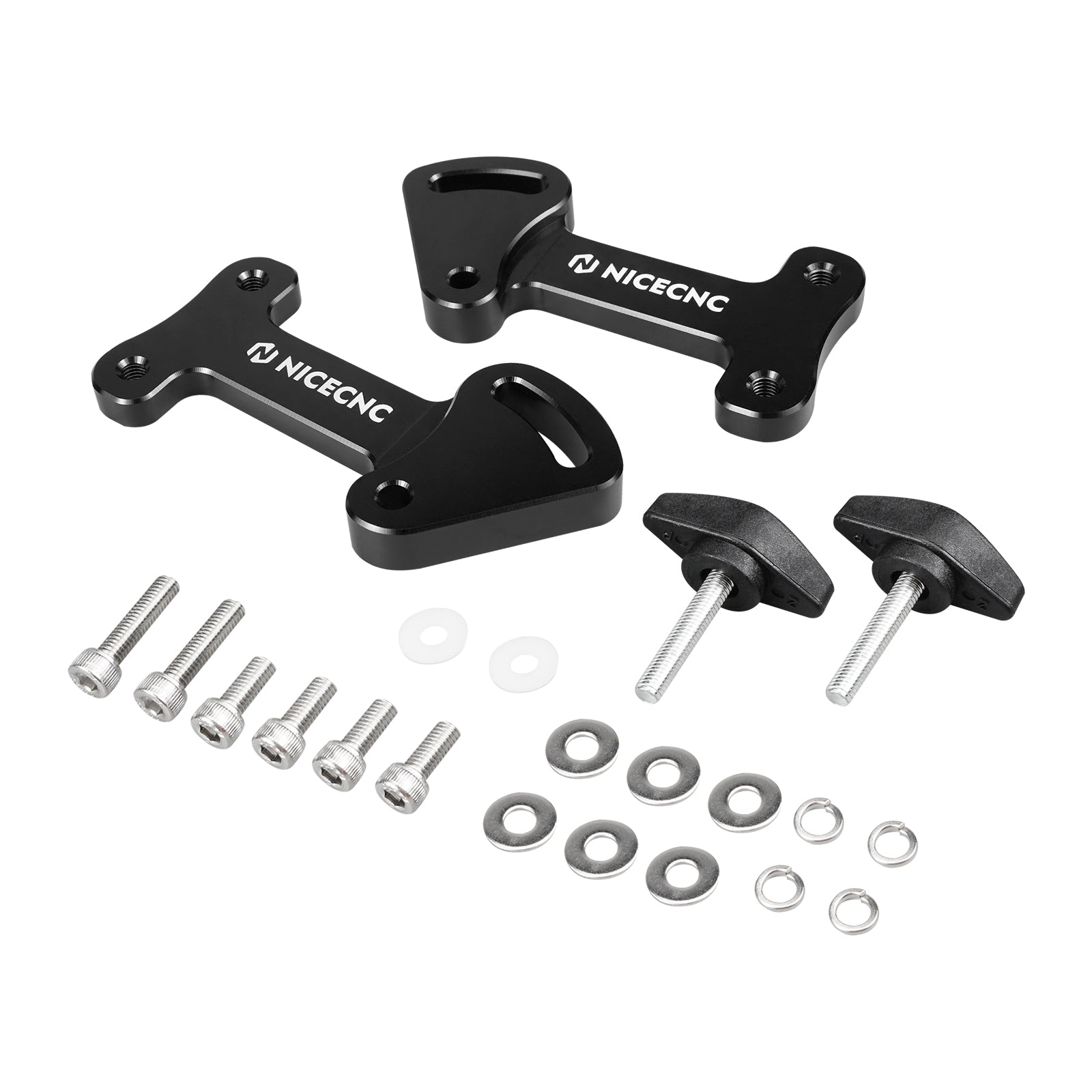
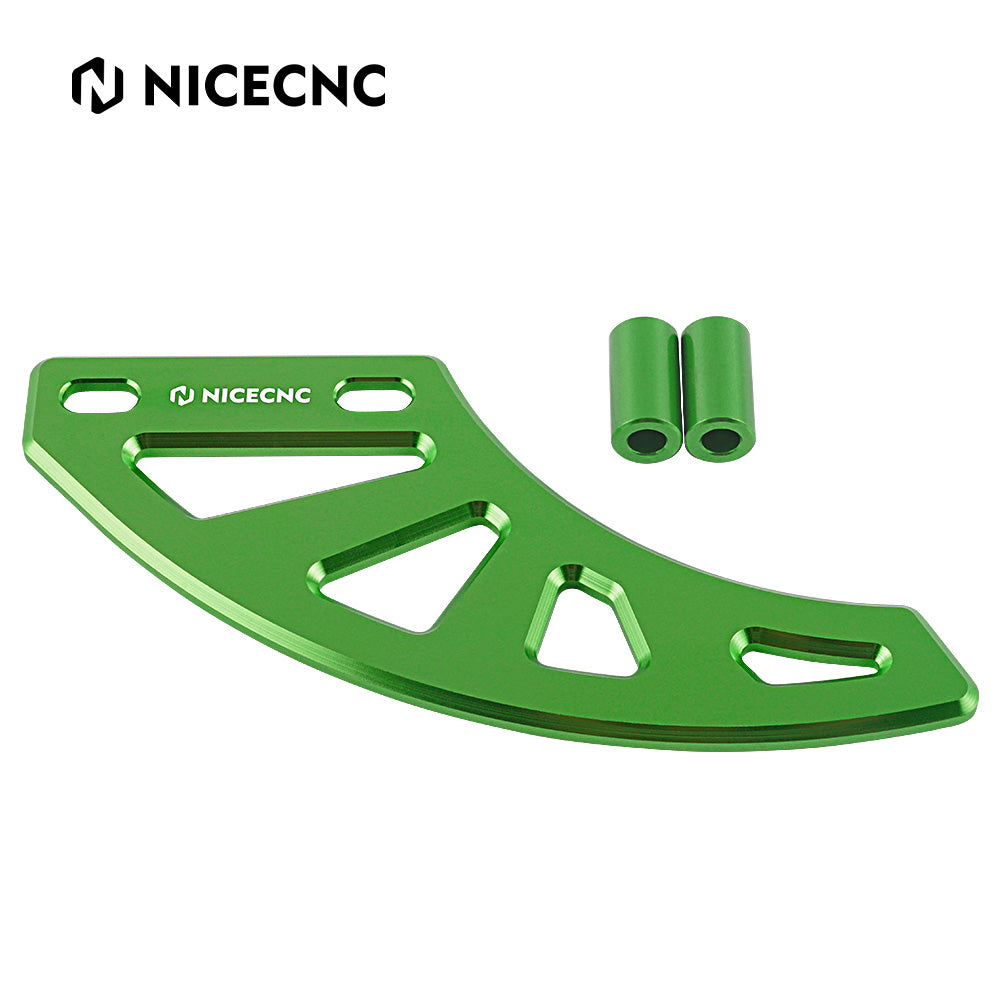
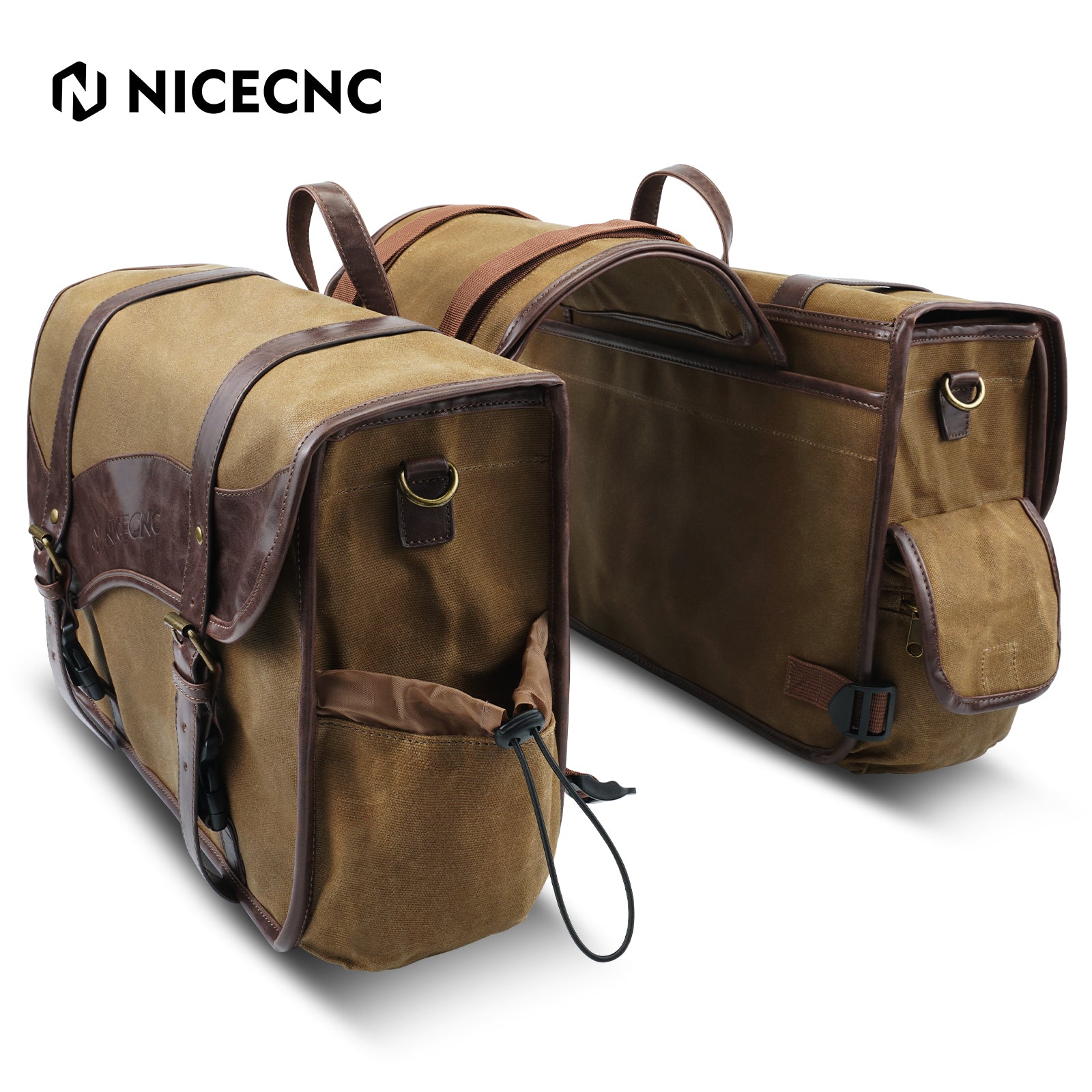
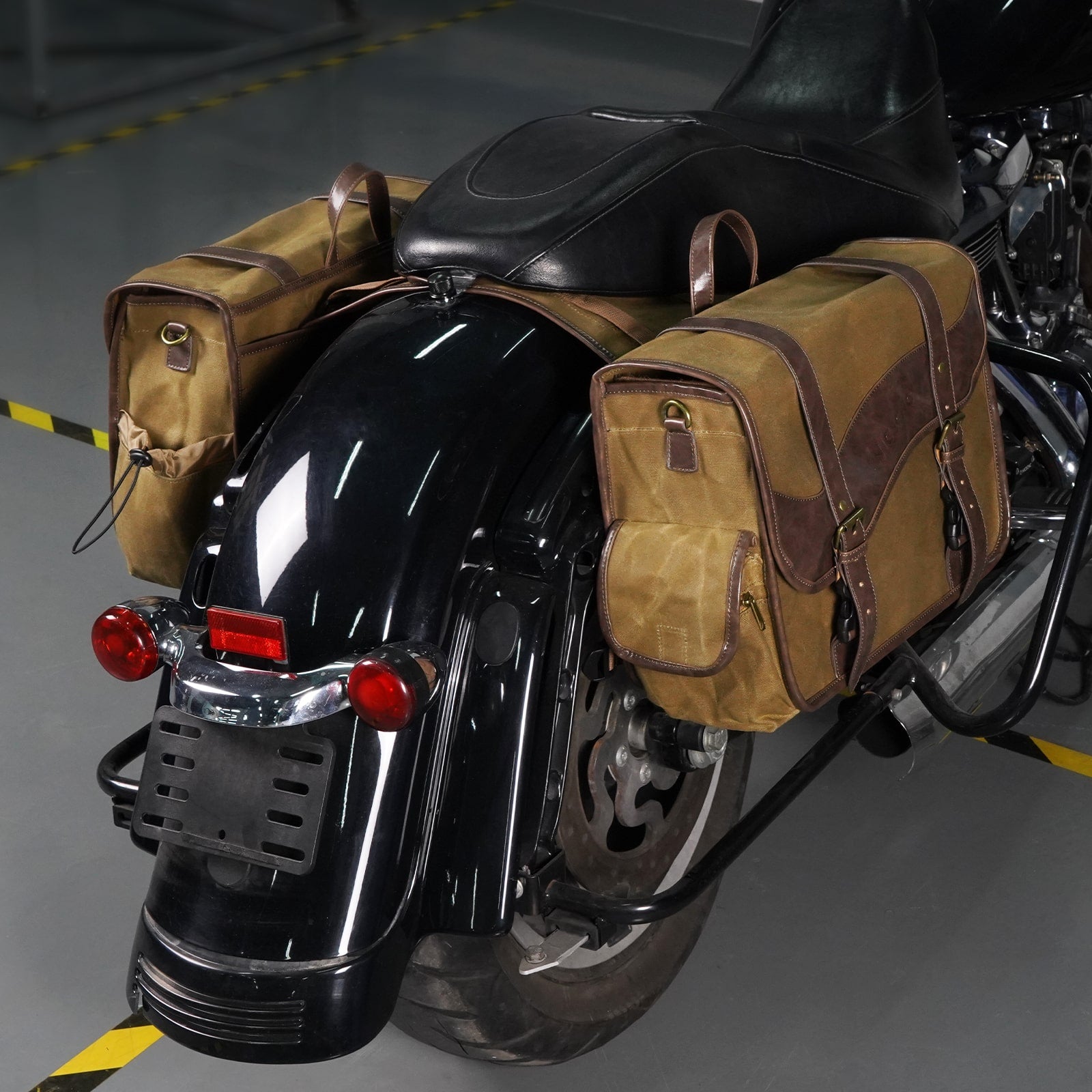
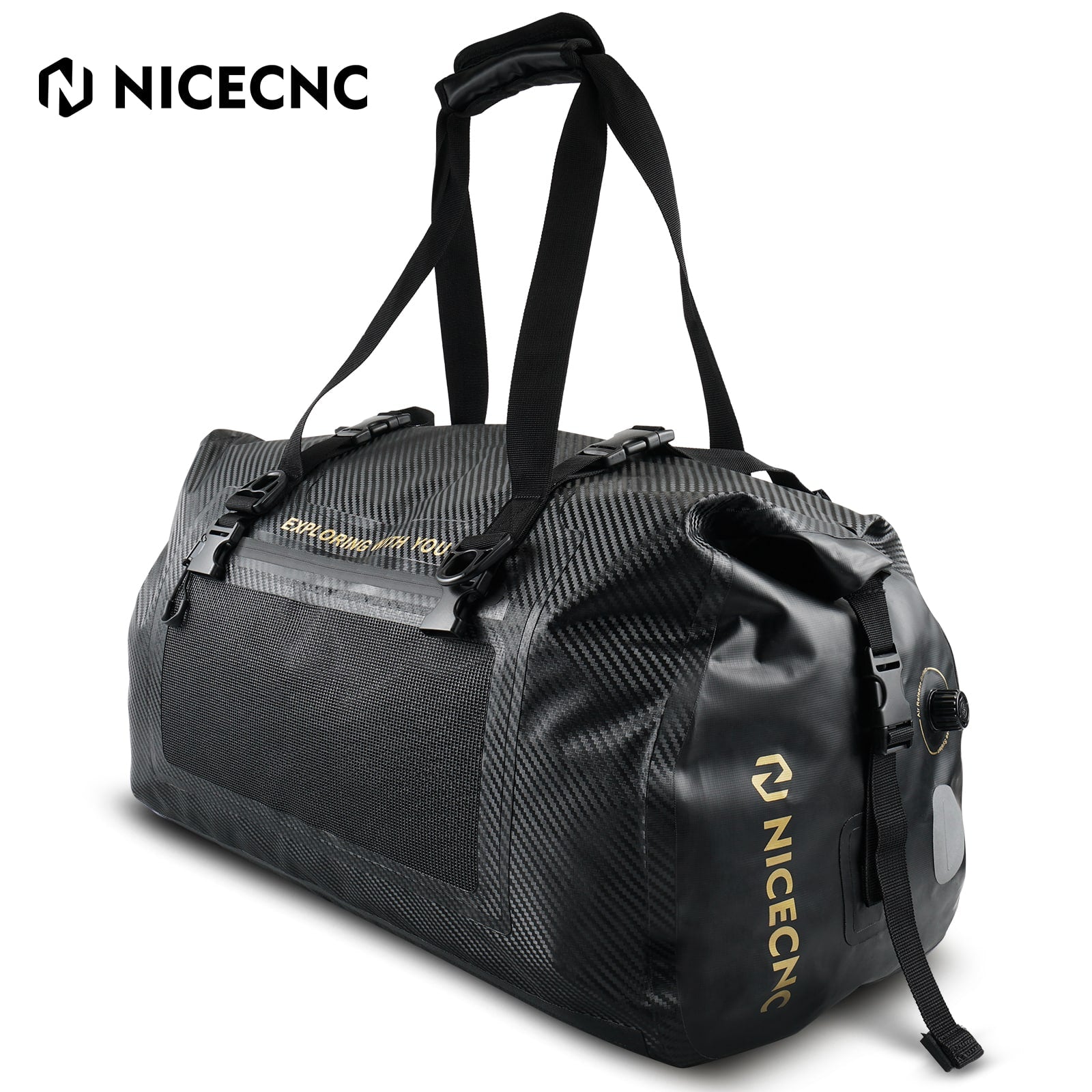
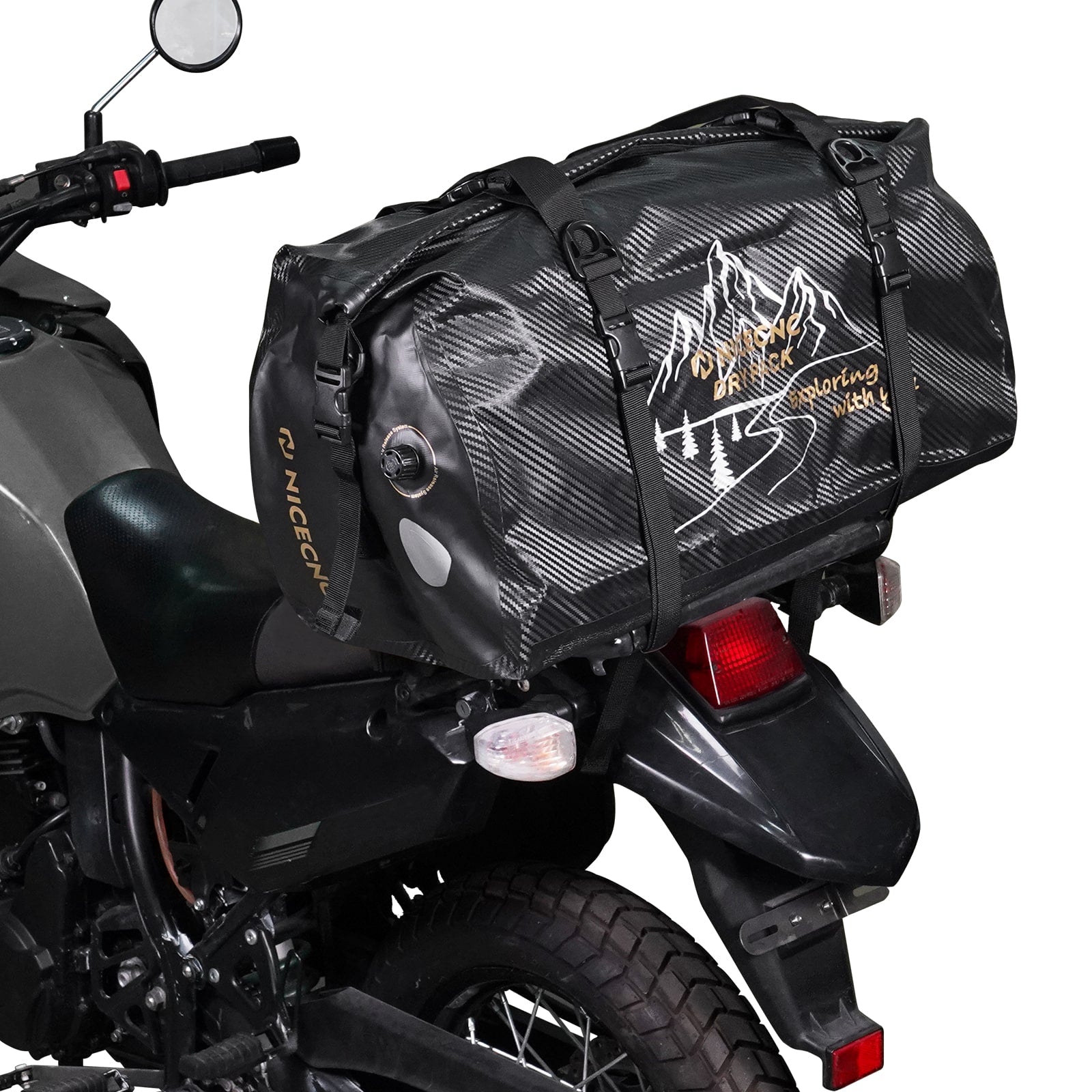
Soft luggage works, but without a rigid mounting point it tends to shift under load on rough roads, and constant strap tension can gradually wear at the subframe or seat if you're doing repeated long trips. A rack gives you a stable base whether you're running hard cases, a dry bag, or just strapping down camping gear. A rear luggage rack plate kit, such as NICECNC's version for the KLR650 (2008-2018), bolts on to provide a dedicated mounting platform for whatever cargo setup you run.
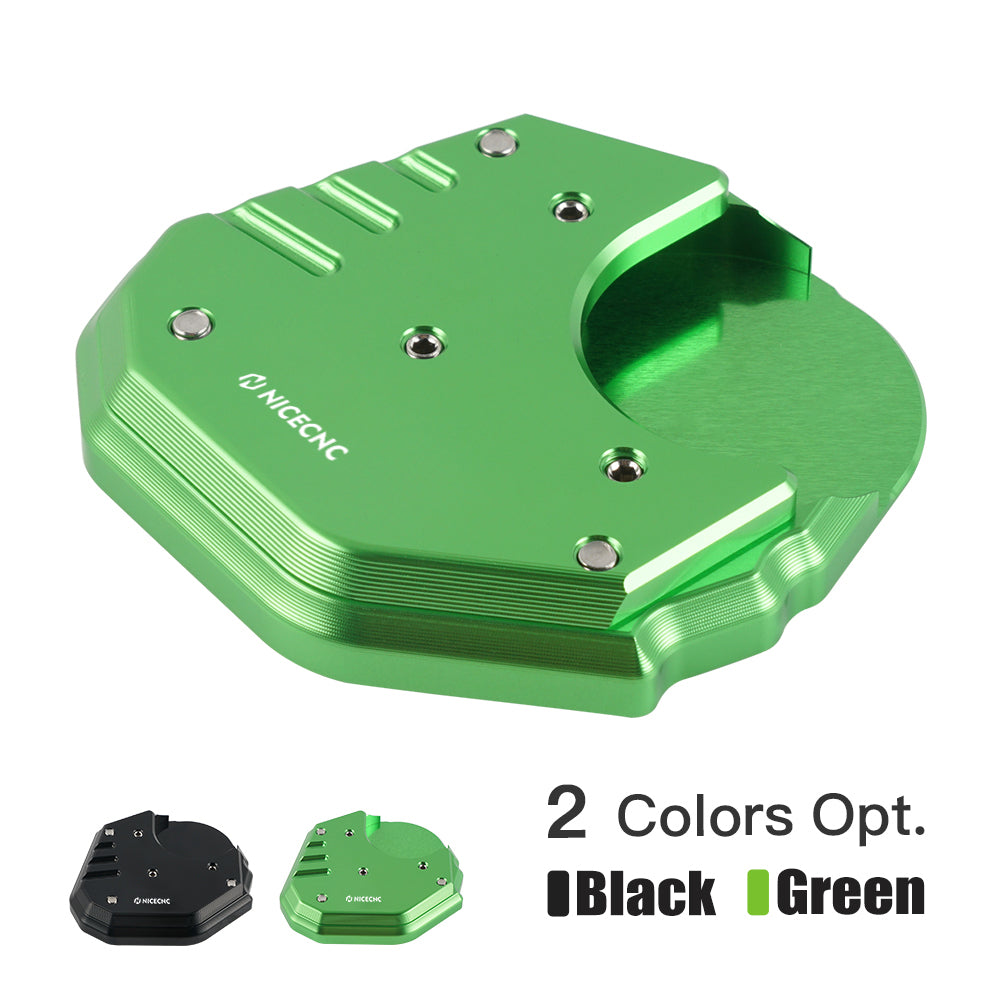
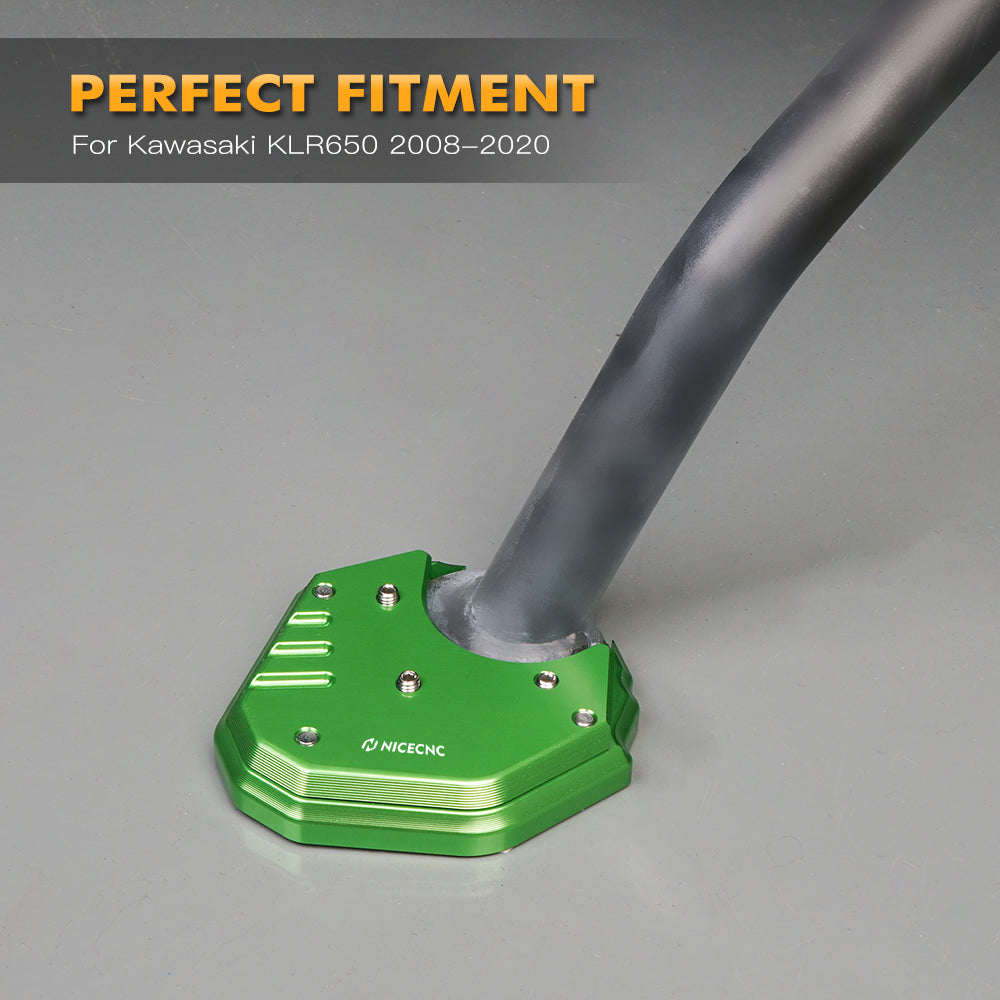
A fully loaded KLR650 with saddlebags, a tent, and camping gear adds real weight right when you're most likely to be parking on gravel, dirt, or soft campground ground — and the factory kickstand foot has a small contact area that wasn't sized with a loaded overlanding setup in mind. A sunk-in stand is one of the more common causes of a tip-over at camp. A wider kickstand foot plate extension, such as NICECNC's pad for the KLR650 (2008-2018), spreads the load over more surface area for a more stable park on uneven or soft terrain.
Ergonomics & Rider Comfort
The KLR650's stock footpeg position works fine for standing on trails, but on long paved stretches between off-road sections, the same peg height and angle that's good for standing can leave your knees more bent than is comfortable over hours in the saddle — a common complaint on this bike given how often it's used for mixed touring. Footpeg lowering mounts, like NICECNC's drop brackets for the KLR650 (1987-2018), reposition the pegs to open up the knee angle for more comfortable long-distance seated riding.
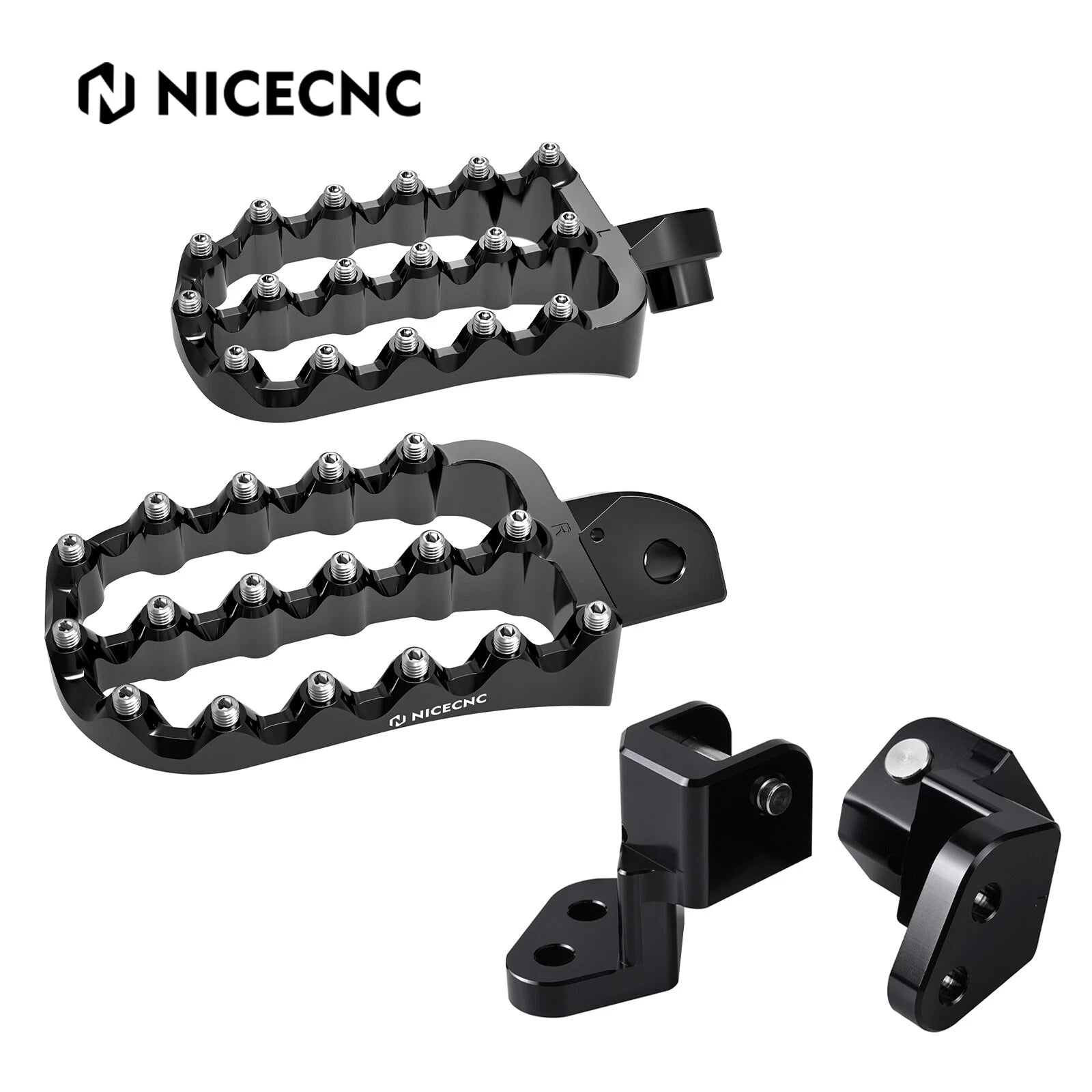
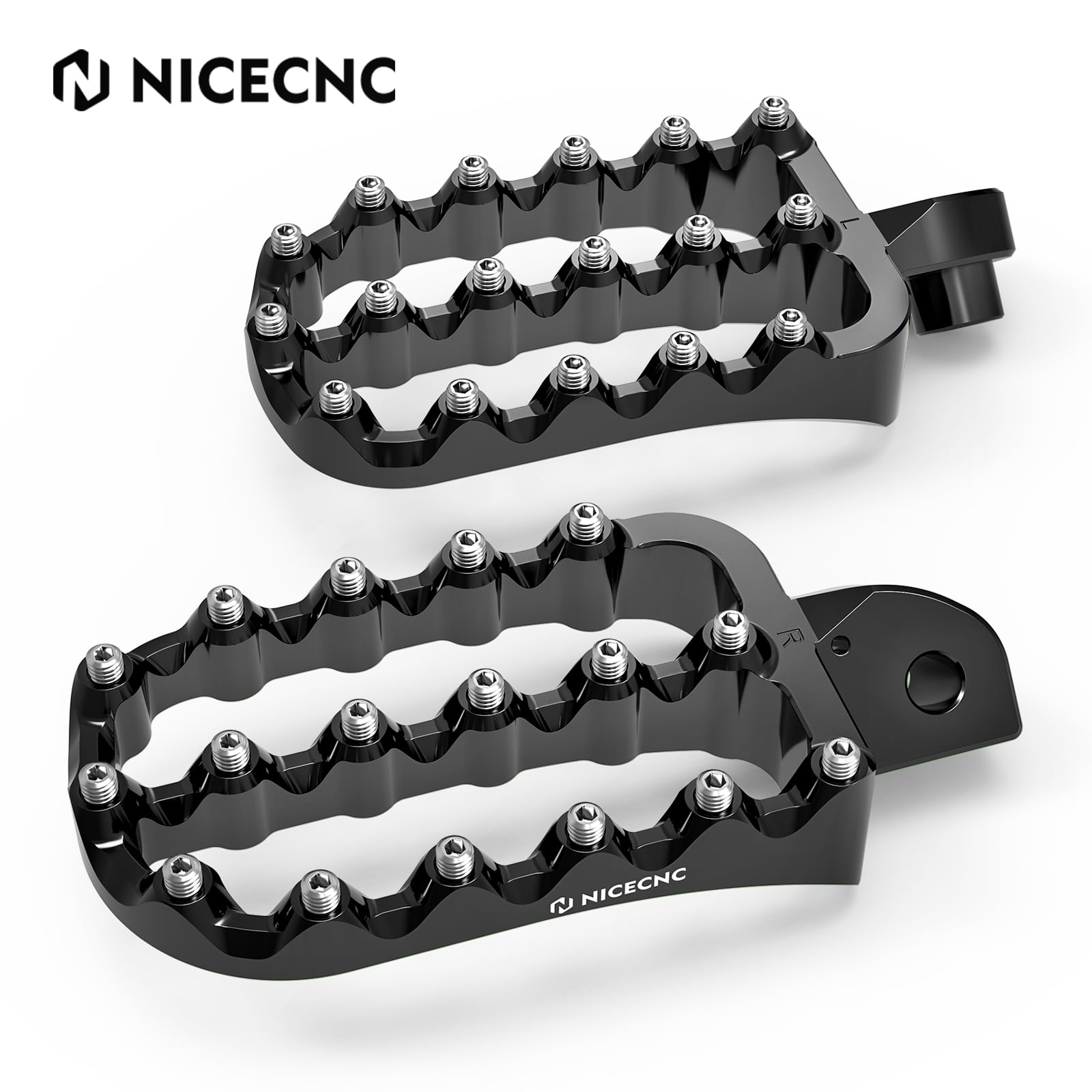
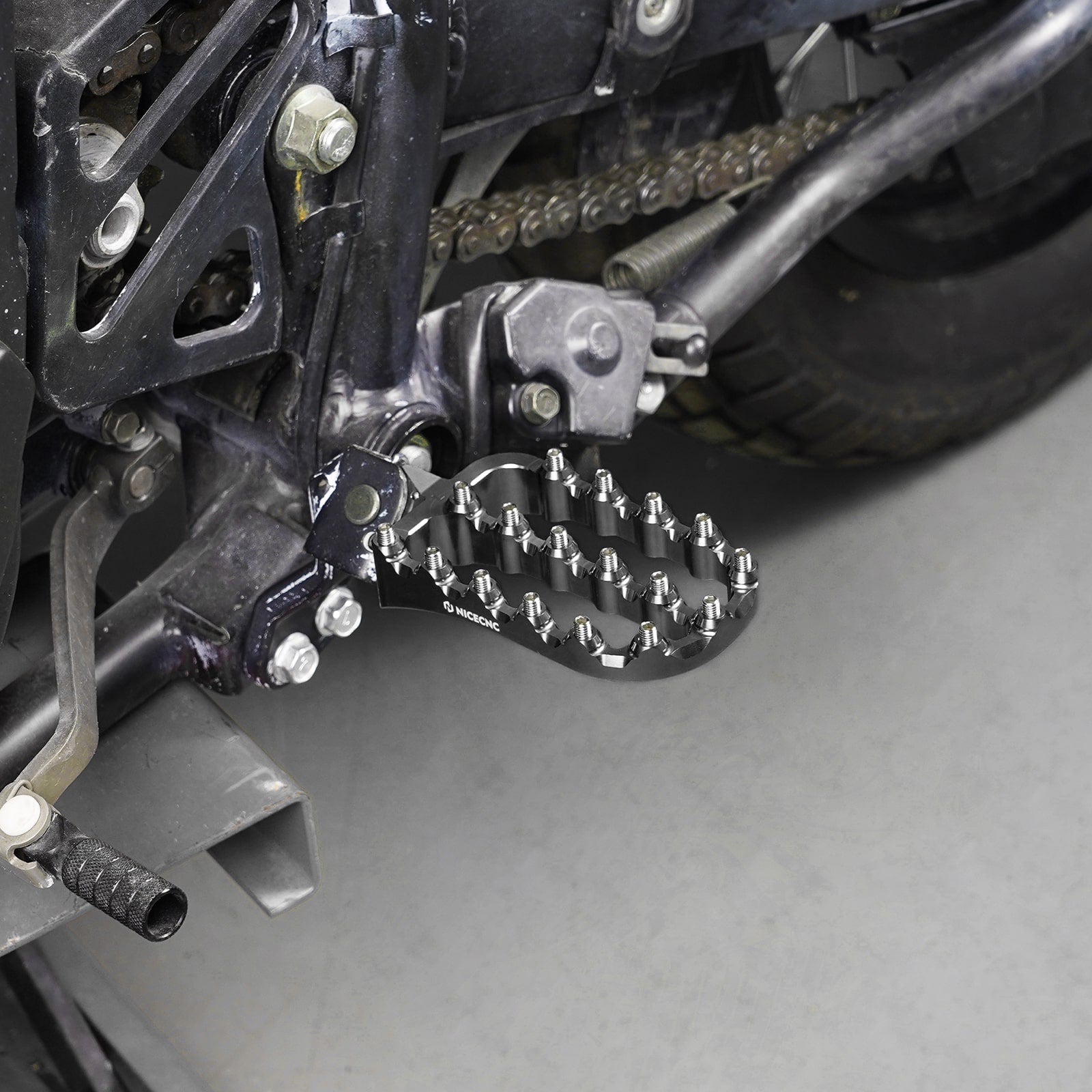
The stock pegs are narrower than ideal for confident footing when you're standing on rutted, rocky, or loose terrain — a smaller platform means more foot fatigue and less secure footing exactly when you need stability most. This becomes more noticeable the more technical terrain a rider tackles versus just commuting on the KLR. Enlarged footpegs, such as NICECNC's set for the KLR650 (1987-2024), give a wider standing platform to match your riding style.
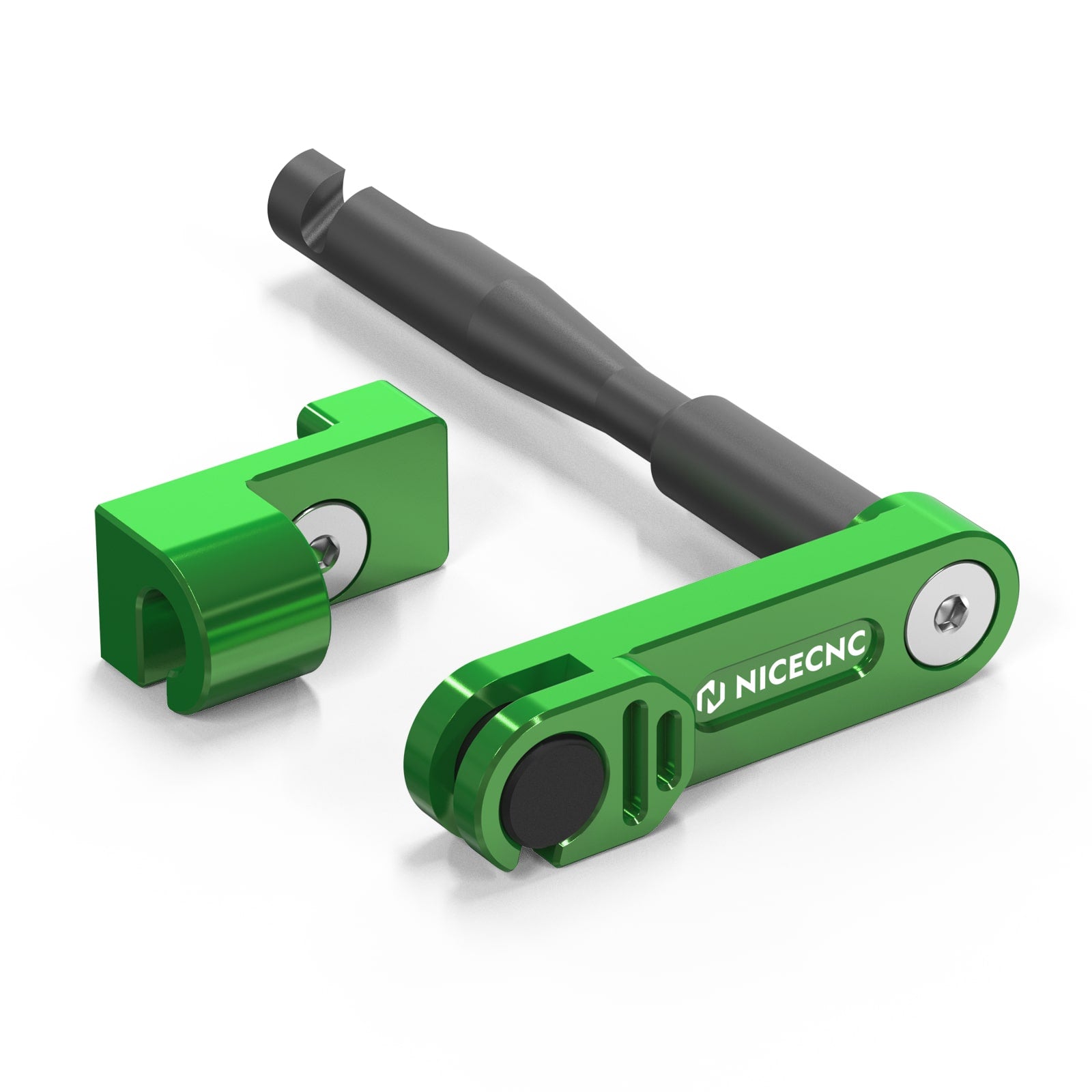
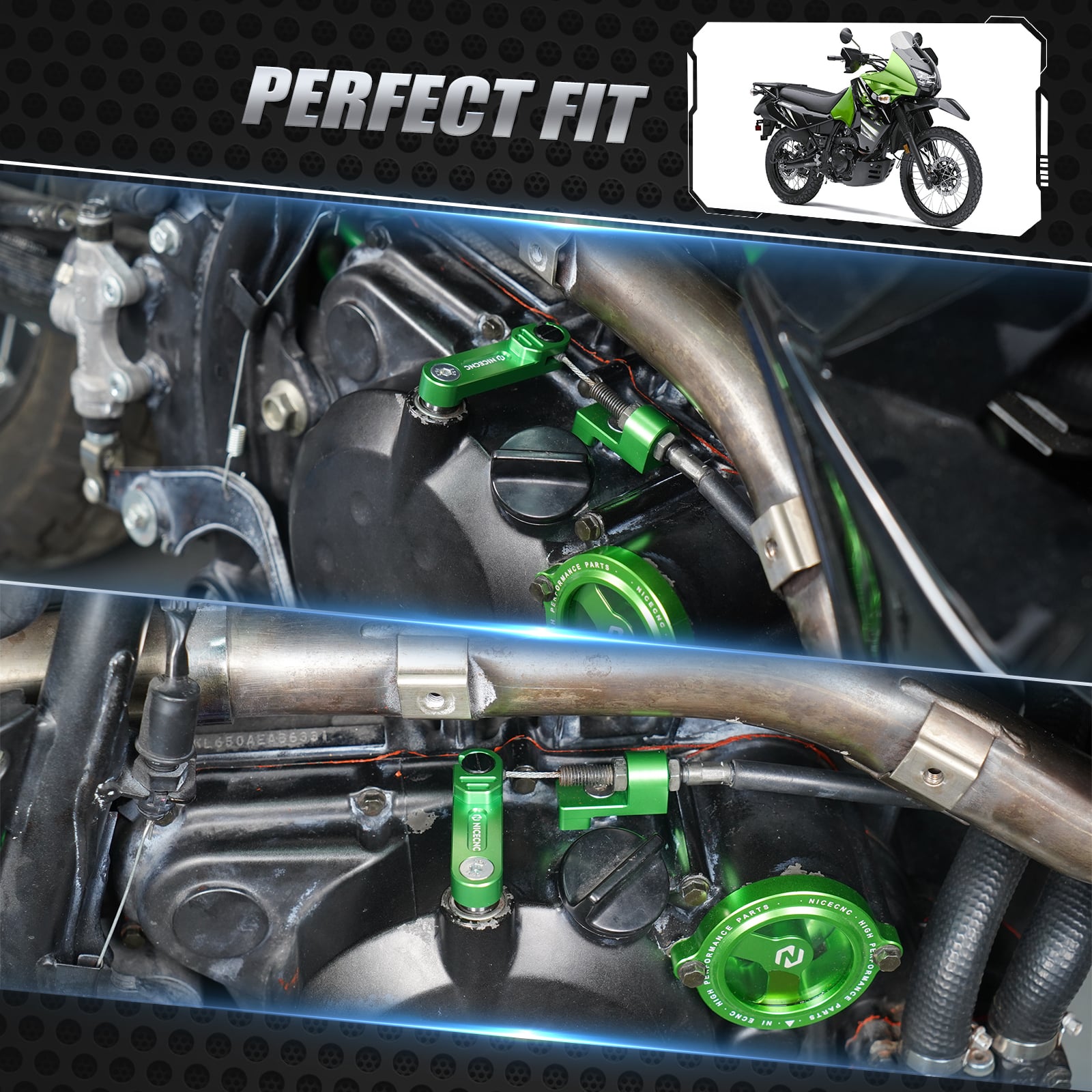
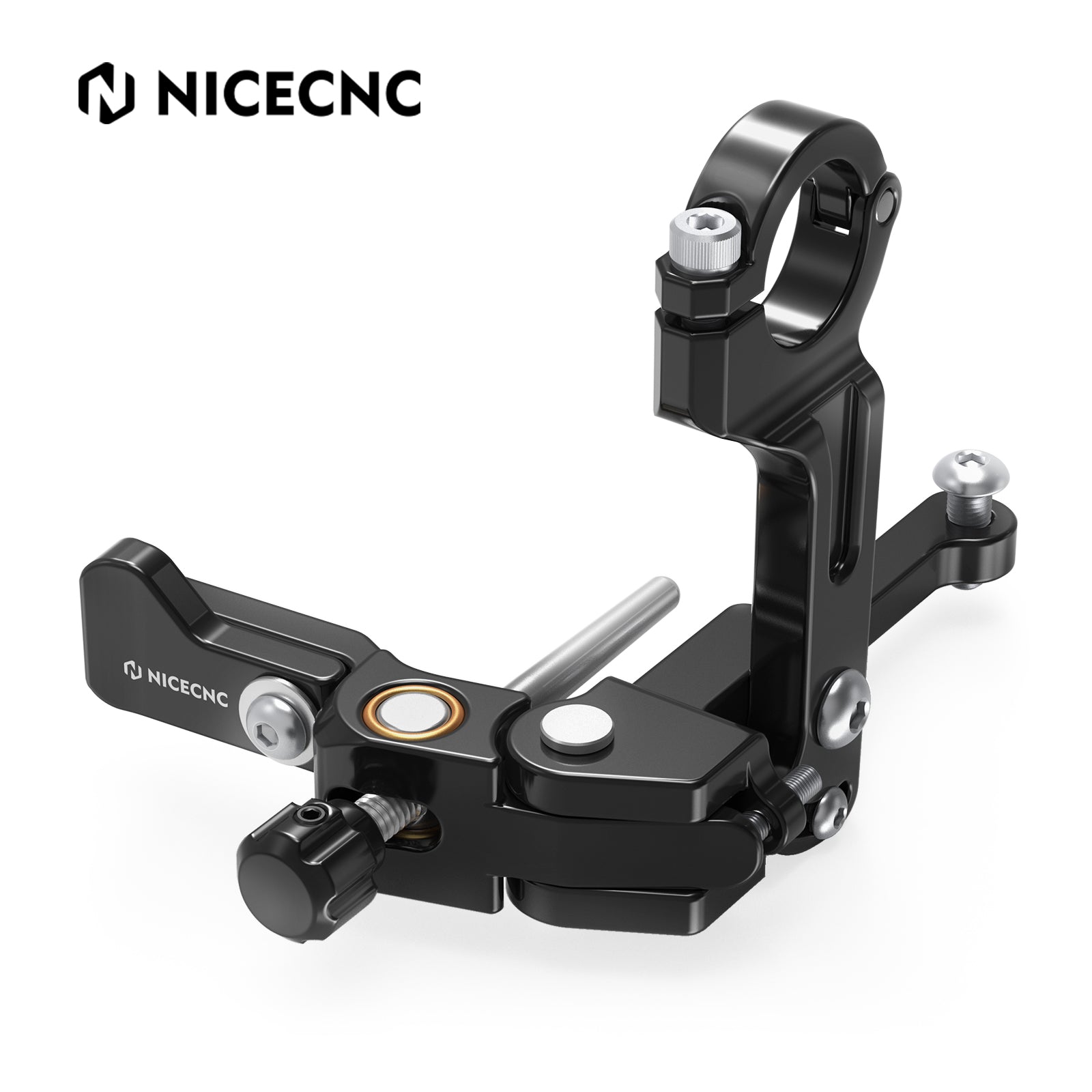
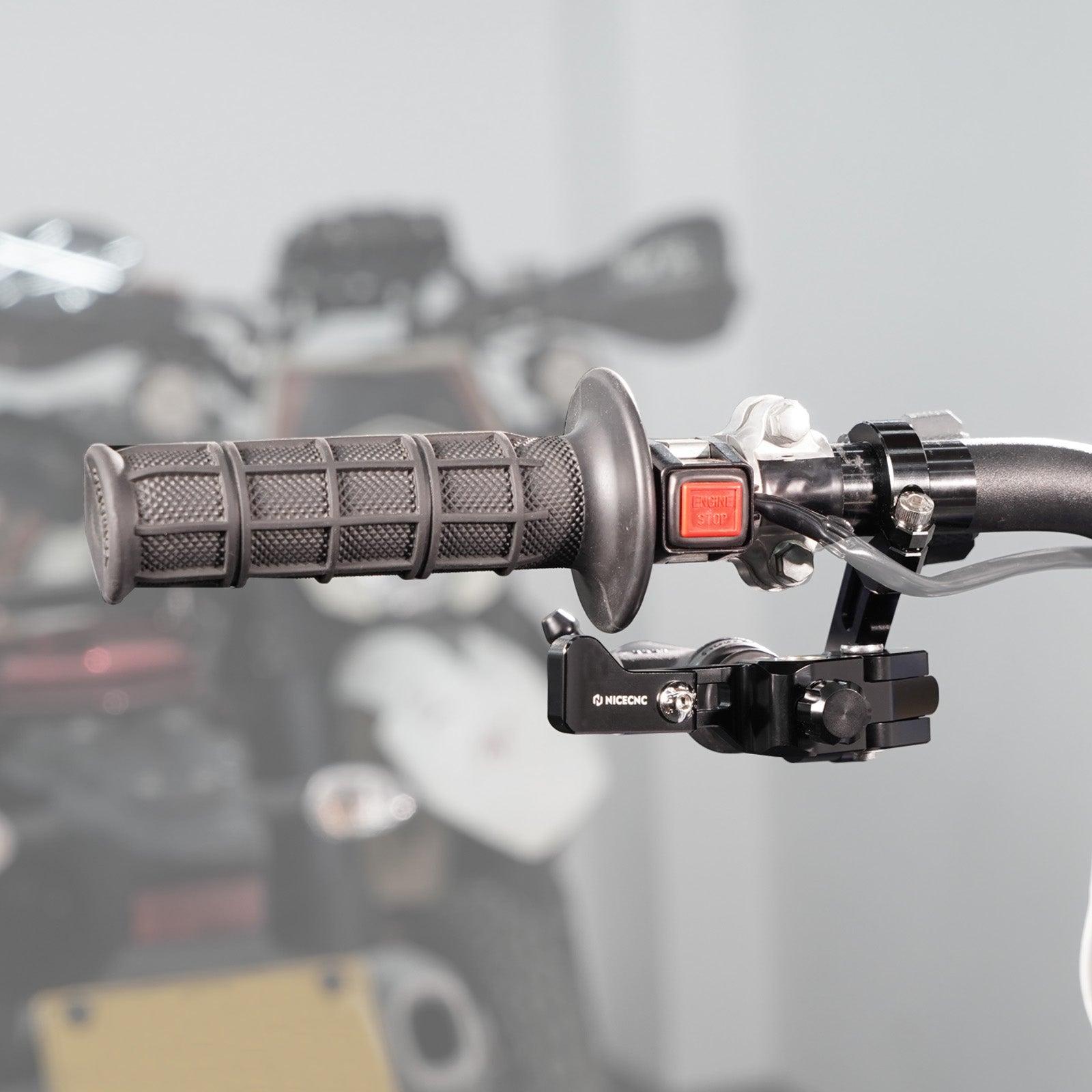
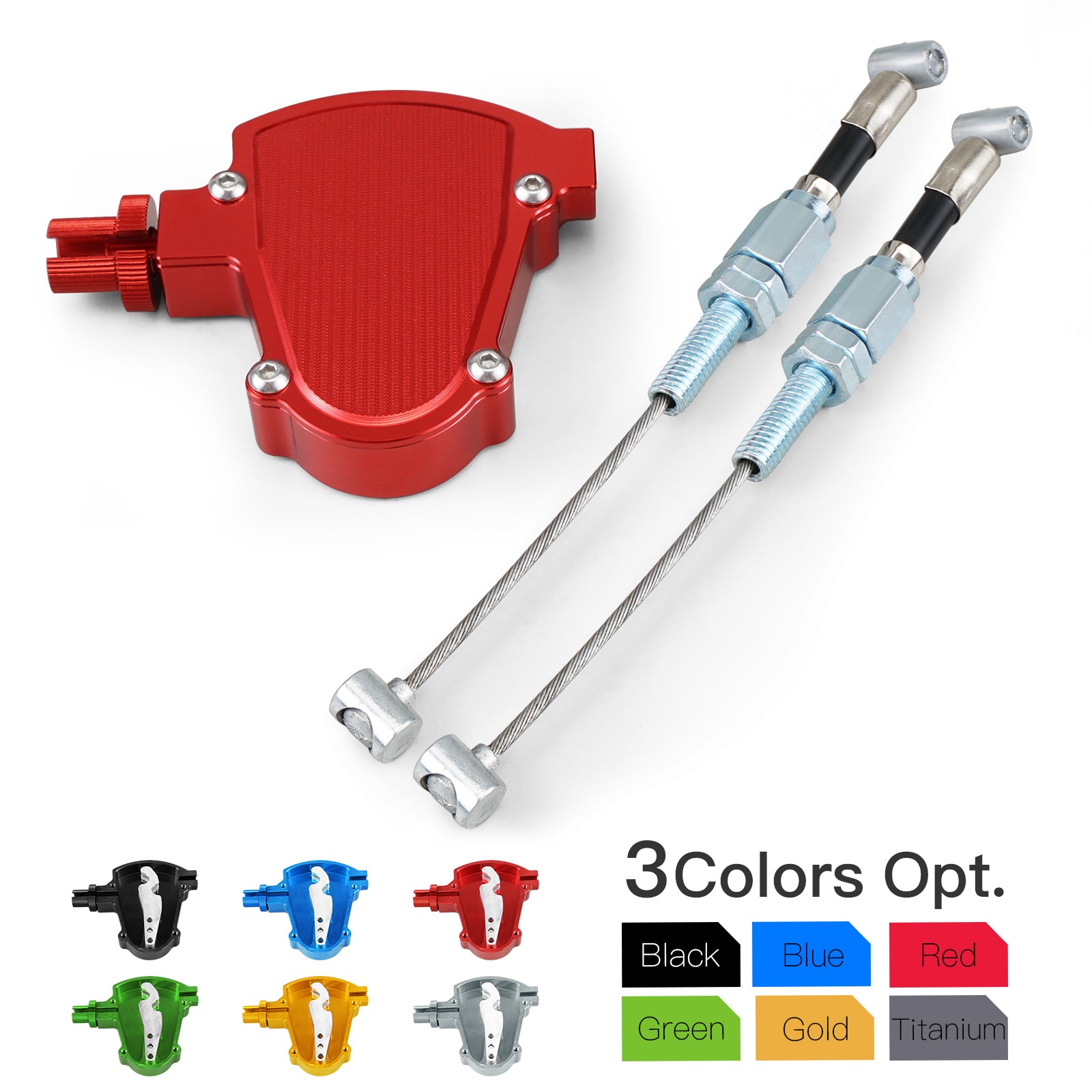
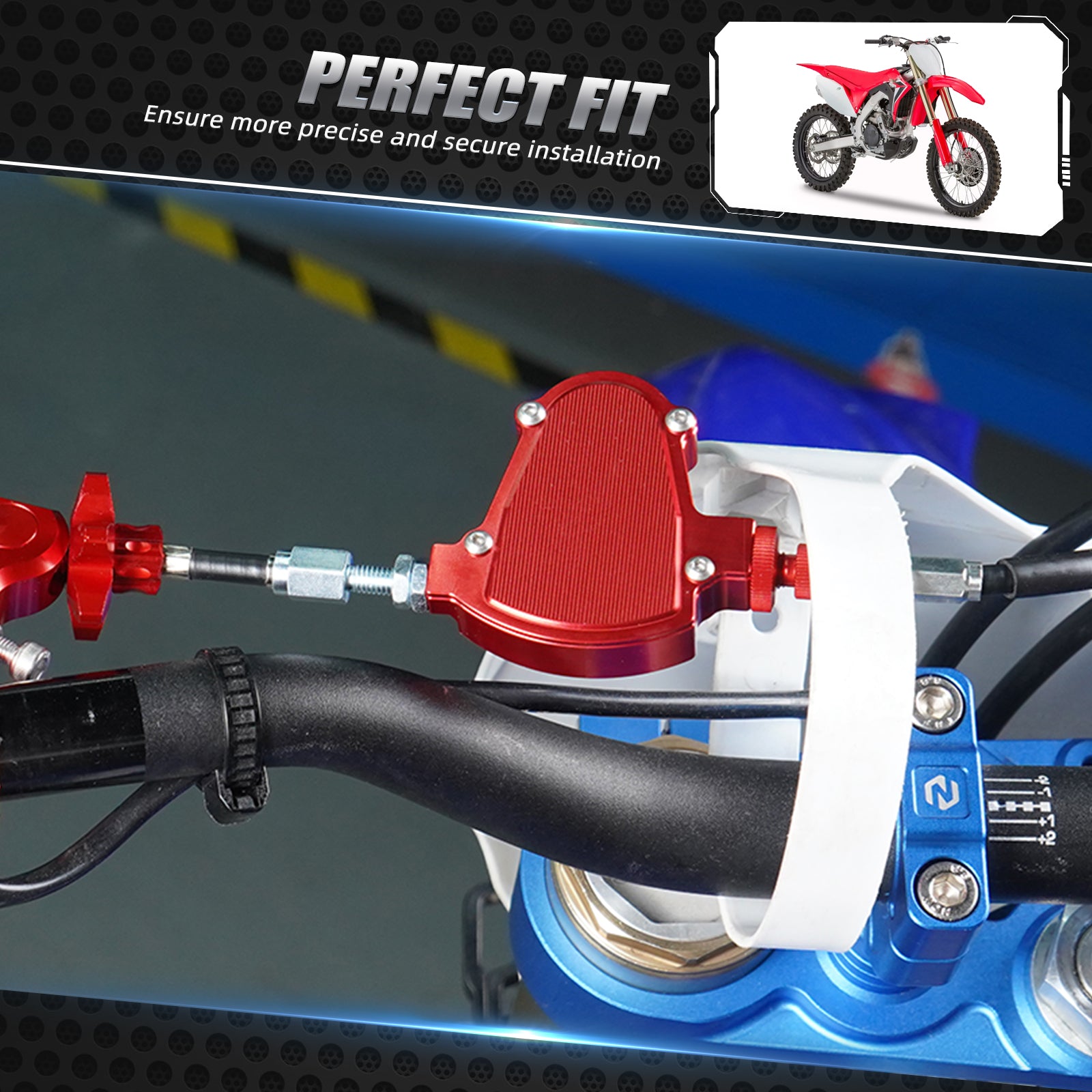
Riding style that involves a lot of clutch feathering — slow technical trail sections, tight U-turns fully loaded, or stop-and-go commuting — adds up to real forearm fatigue over a long day, and that fatigue compounds on multi-day trips where your hand doesn't get a rest day. A one-finger clutch arm, like NICECNC's kit for the KLR650 (2008-2024), changes the lever ratio so one finger provides full engagement, freeing up grip strength for the rest of a long ride.
Safety & Visibility
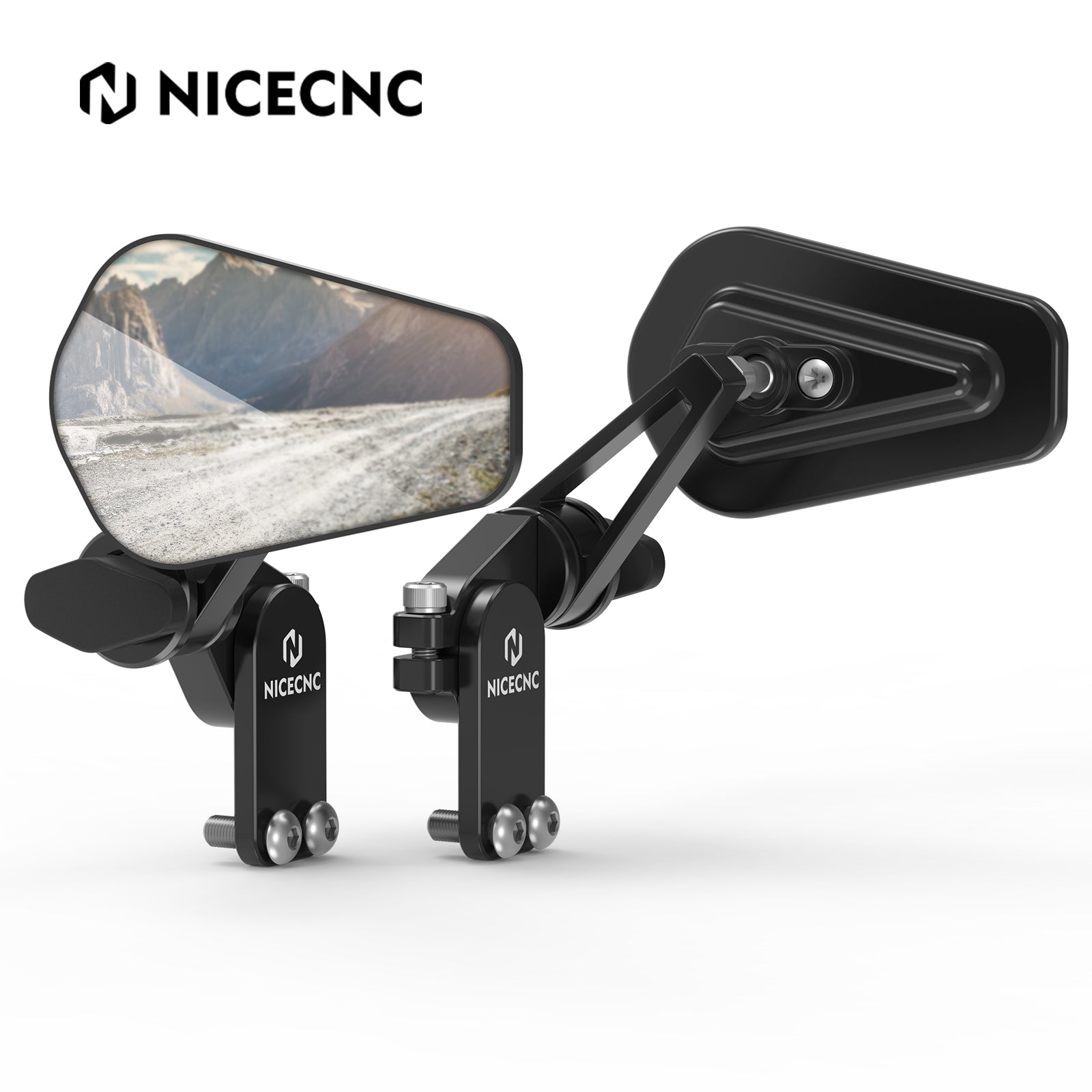
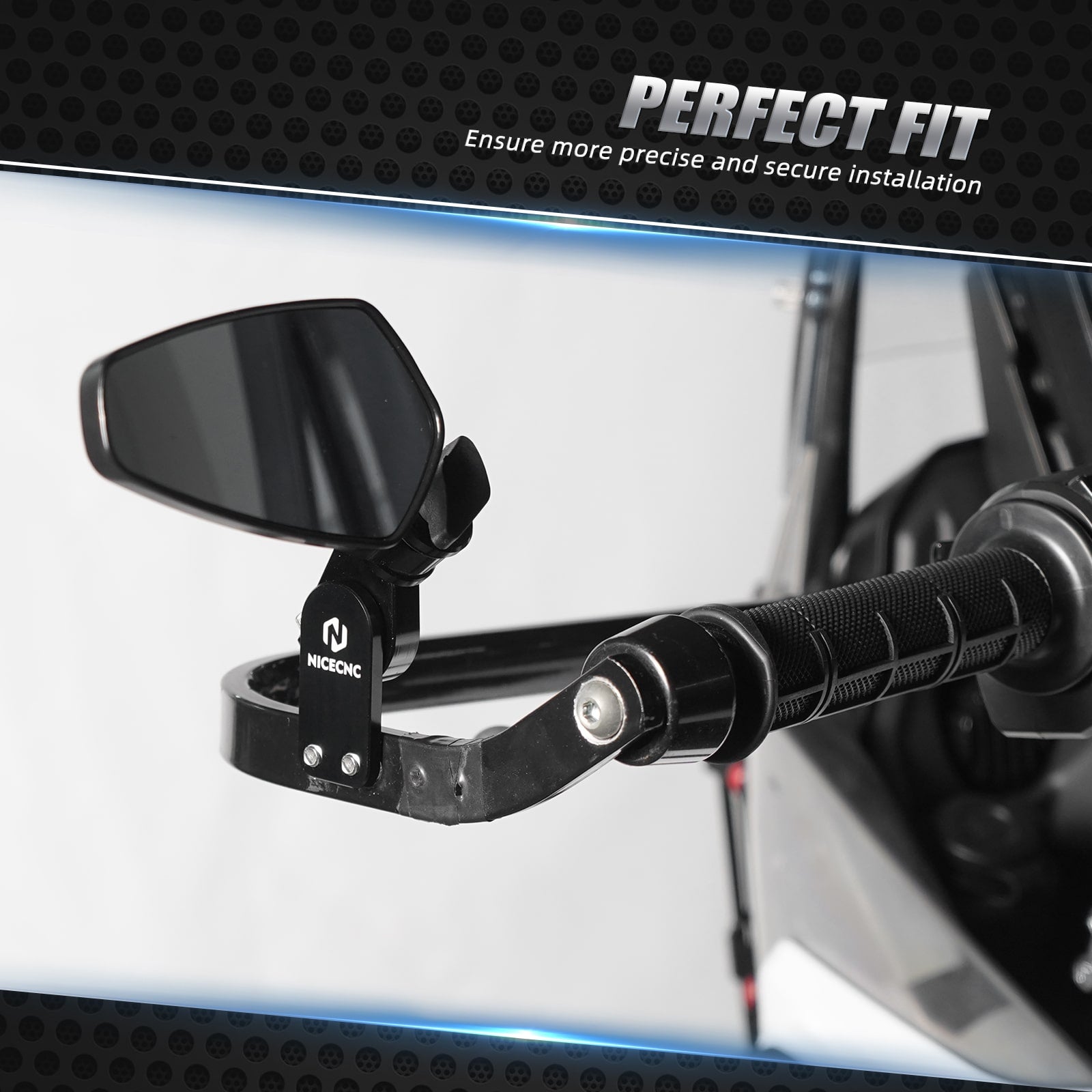
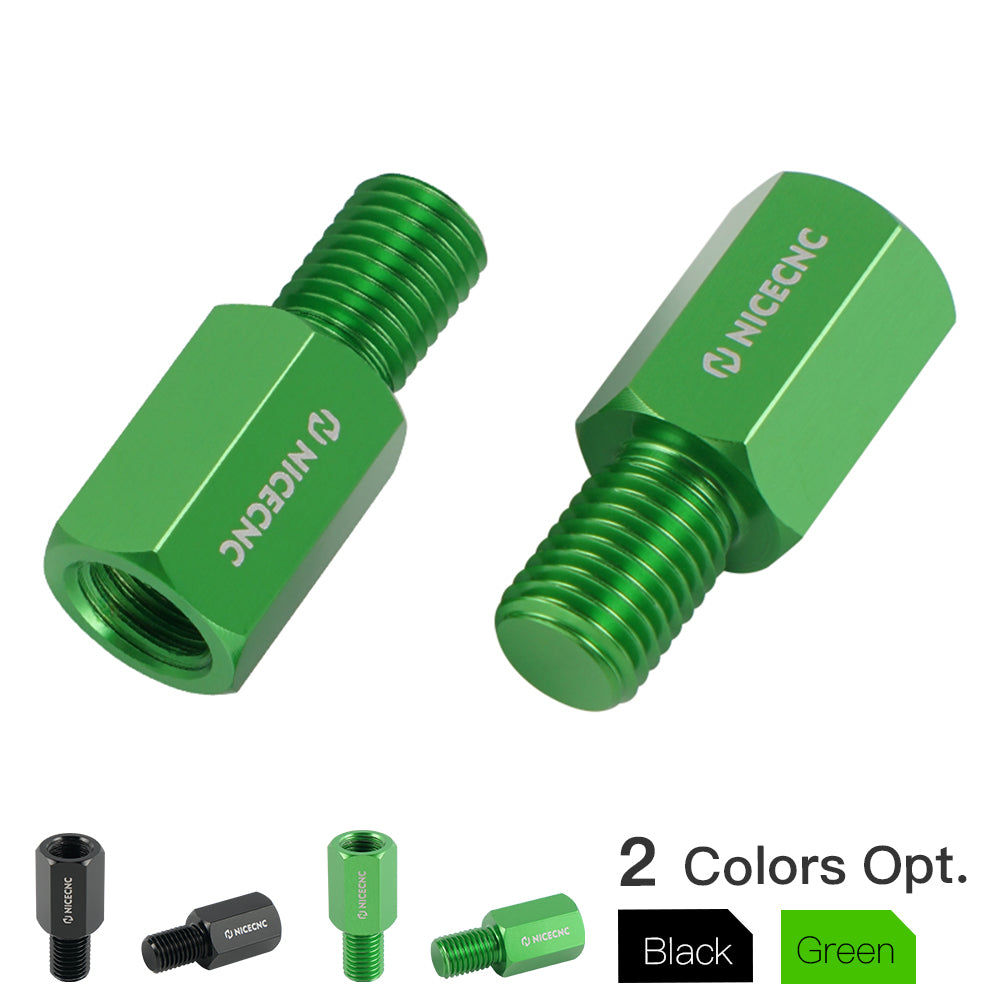
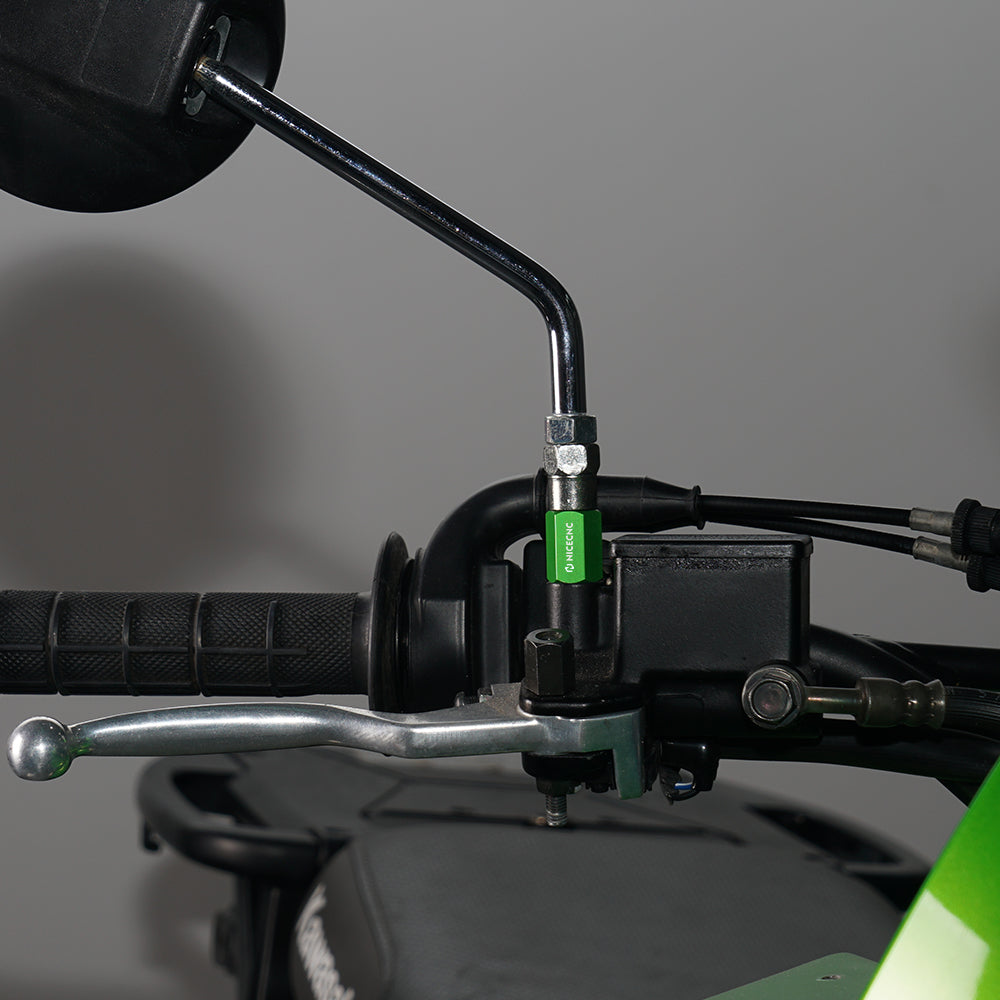
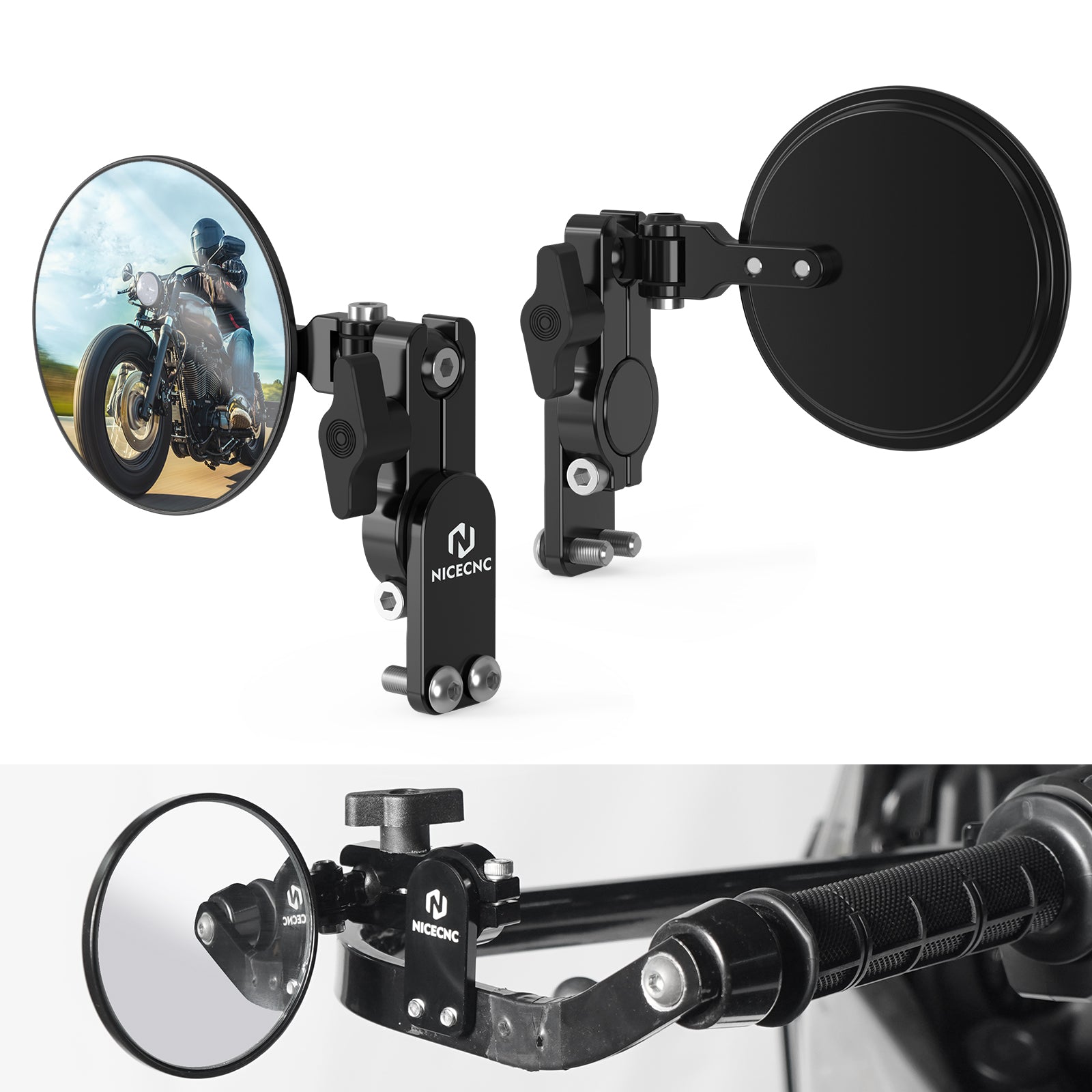
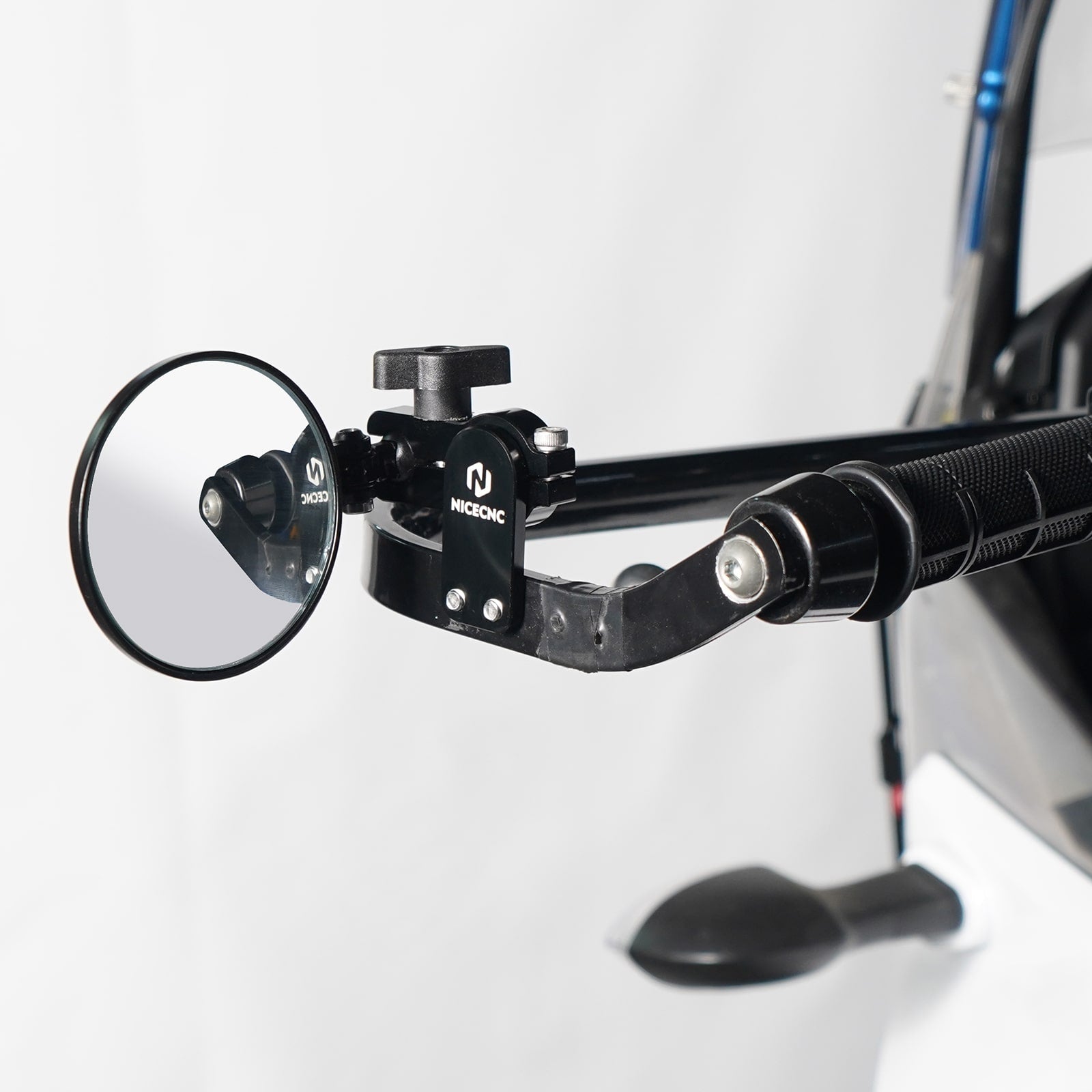
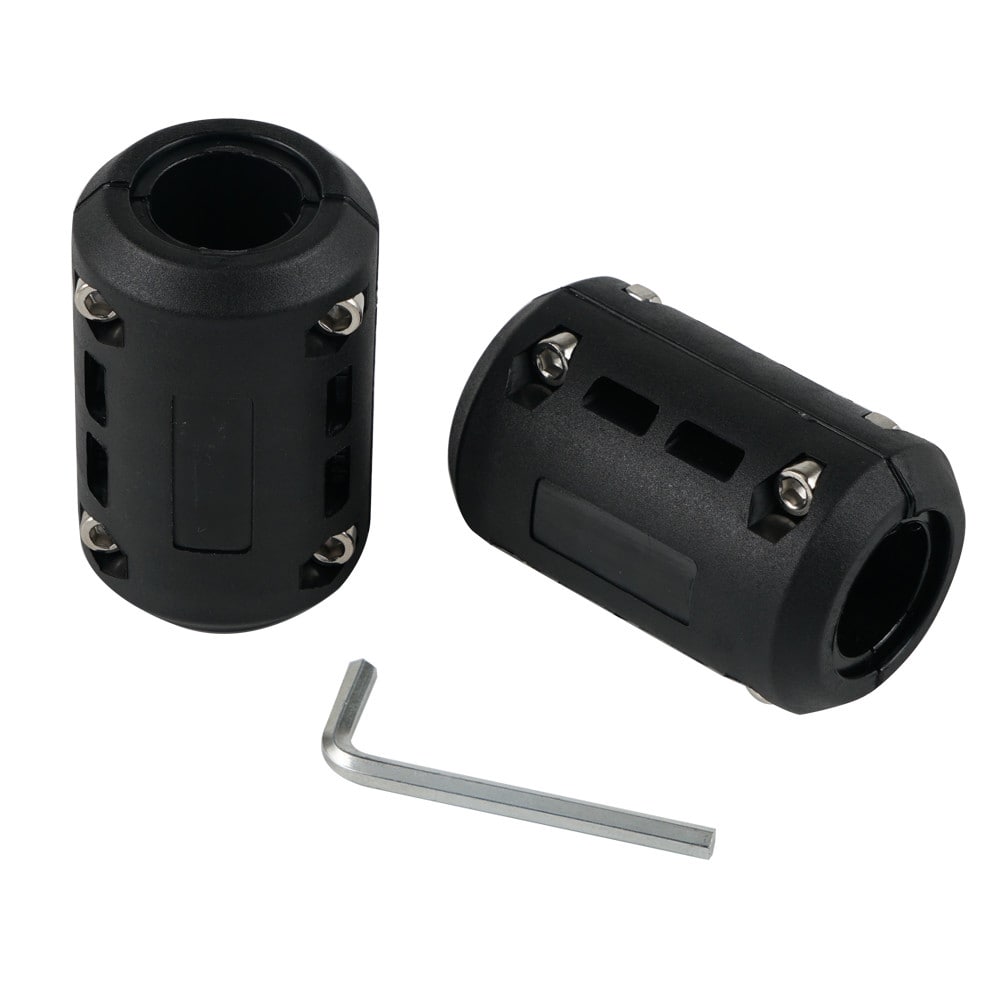
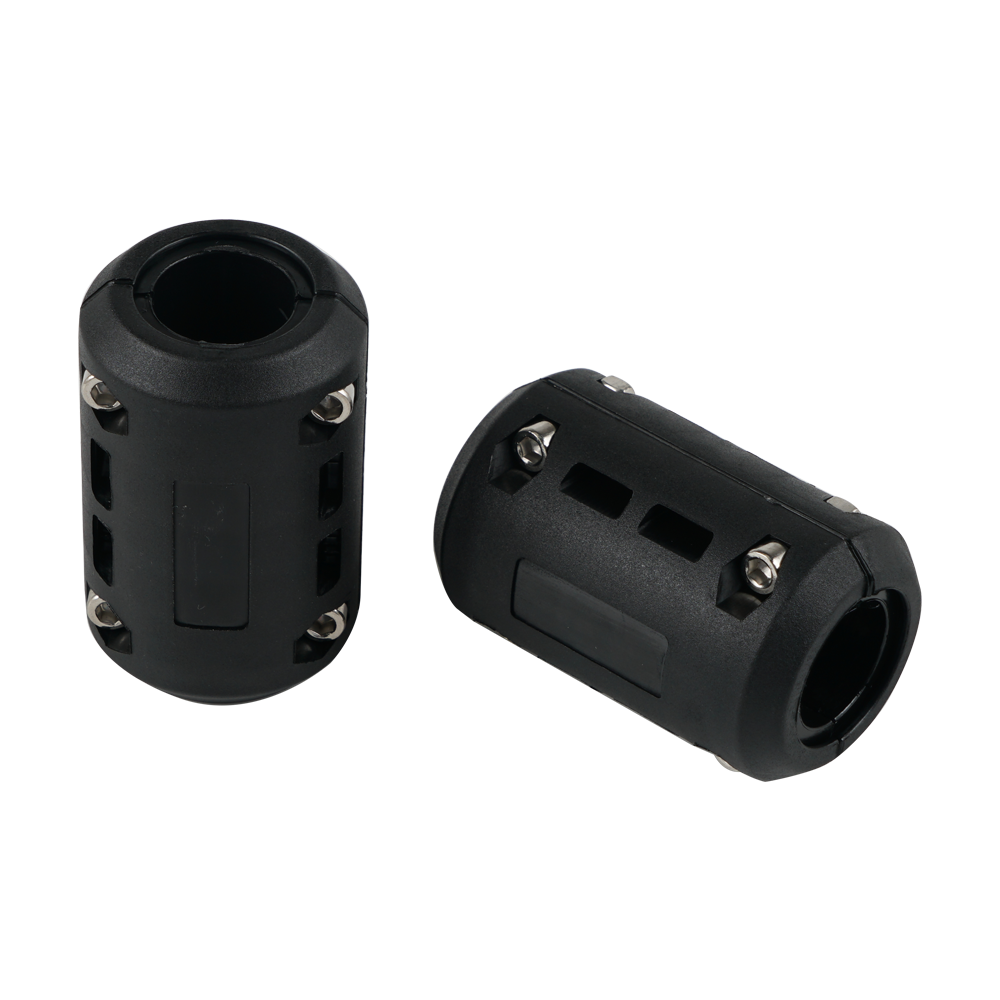
Yes — the factory mirror stalks on the KLR650 are fairly short, and depending on your riding position, tucked-in aftermarket handguards, or a taller windscreen, they can end up aimed at your own arms or shoulders more than the road behind you, which is a real blind-spot problem at speed. A mirror extension riser, such as Nicecnc's 20mm CNC aluminum riser for the KLR650 (2008-2024), raises each mirror's position — stack two per side for a 40mm lift — to get the mirror head out past your shoulders for a clearer rear view.